
Hey loves,
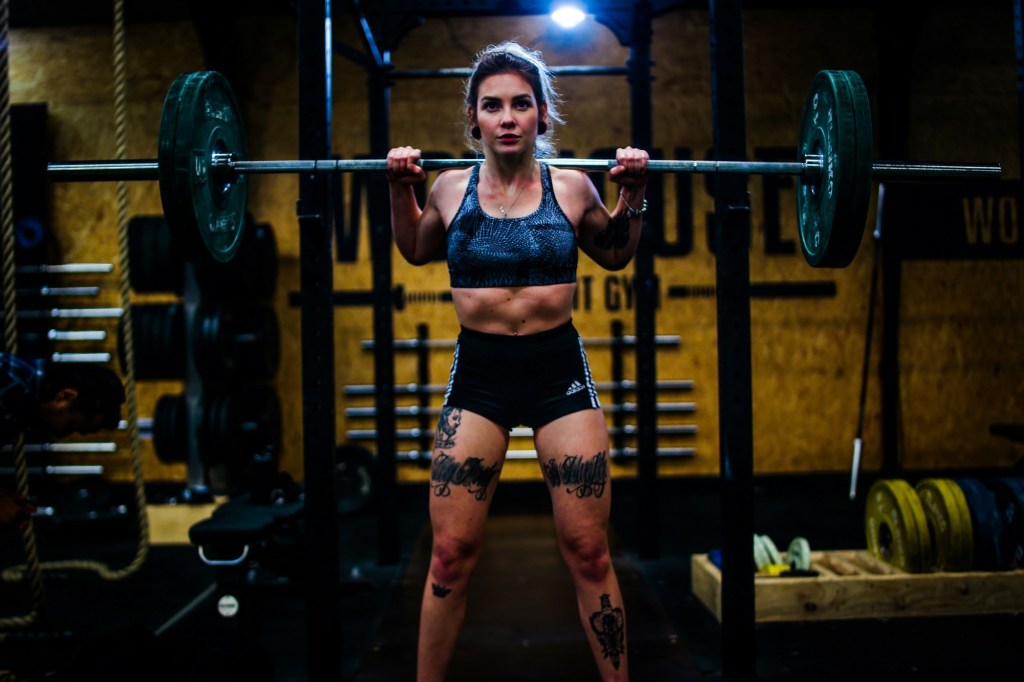
I remember the first time I stepped into a gym, I felt such an anxious sensation about not knowing what to do or where any of the equipment was.
I remember only being comfortable setting foot into a gym if I was accompanied by my boyfriend at the time who would act as my metaphorical bodyguard.
On a much deeper level, I remember my body being an experience for other people rather than for myself.
It was as if my inner sensations were not as important as the outer representation of my body, at least not for that full hour at the gym.
Gymtimidation, the experience I just walked you through is not fear but a response to being seen, measured or even erased.
This response affects over 40% of gymgoers. Check out my previous blog post on gymtimidation for more background on the subject.
My theory is that gymtimidation is not a maladaptive reflex, it’s a simple nervous system reaction to a space that wasn’t designed with your softness, strength, or story in mind.
The gym is an unfeminine space, even alienating us from it, with male satisfaction and ego at the forefront of its design.
This is the case for everybody operating in that space. I often say that people wear gym masks, I think that operating in this theater does require performing.
WHERE FEAR BEGINS: THE INTERNALIZED GAZE

To begin the deepening of our understanding of gym culture, the social structure and the psychosocial dynamics, let’s start uncovering the topic of the male gaze.
First, what is a gaze? What is the psychology of this construct? It basically refers to how we have been taught to see ourselves through others’ eyes, especially in spaces where bodies are on display.
There are two types of gazes: the male gaze and the female gaze. For the relevancy of this blog post, we will cover the male gaze and body-performance culture.
The male gaze is a feminist psychological construct coined by Laura Mulvey that describes men’s perception and literal viewing of women as objects of desire rather than as human beings.
The male gaze is responsible for the fragmentation of women into body parts (ie: her boobs or her butt) rather than the totality of the essence and spirit.
It is also responsible for women focusing on “acting hot” whether in movement, speech or dress rather than feeling her wholeness, strength (as an example) or empowerment.
The next concept that I will introduce is of body performance culture, what does this entail exactly?
Body performance culture entails that we are not the embodiment of our bodies but the output of how we measure up aesthetically and how they move and operate within certain spaces.
It inadvertently strips us of our agency and reduces us to a gender performance and appraisal and conformity to rigid beauty standards.
This performance also leads us to perform what is referred to as internalized surveillance. This is when you monitor yourself before others even do.
Examples of this at the gym are the following:
1) Woman adjusting her sports bra or gym shirt mid-set
2) Someone avoiding a mirror
3) Skipping heavy weights for lighter ones (just because it may not appear as attractive)
THE BODY AS A POLITICAL SPACE
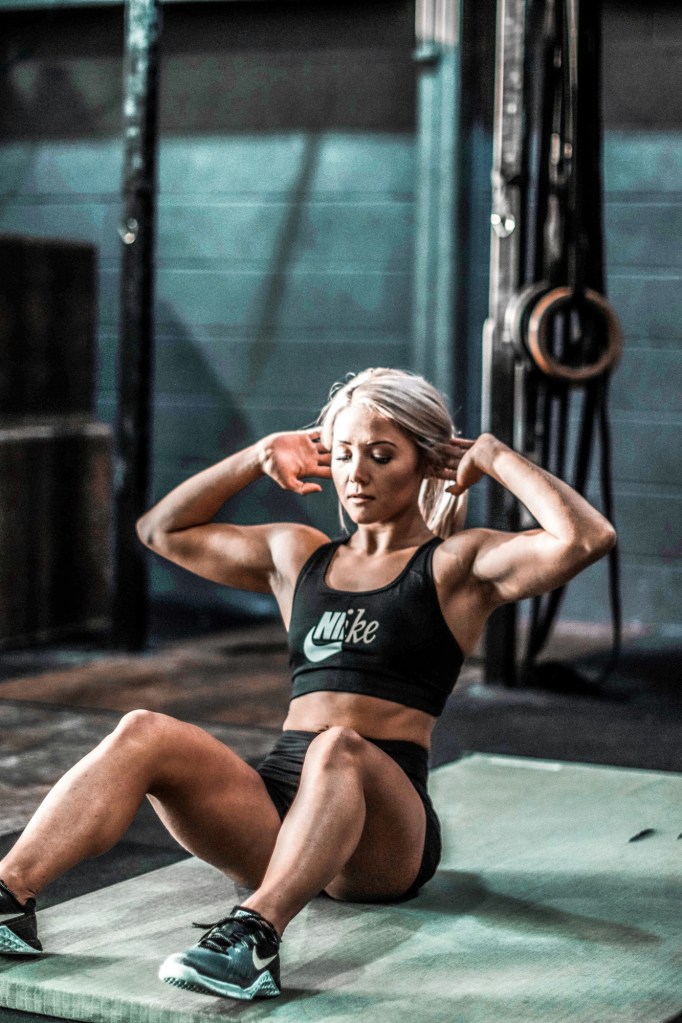
The gym is a microcosm of larger societal narratives that asks the following questions:
- Whose strength is normalized?
- Who’s allowed to grunt, to sweat, to take space?
Bear in mind all of this information is coming from someone who practically lives in the gym. I’ve even trained twice a day for several points in my life, overstayed shifts when I’ve worked at gyms and developed close friendships with management and gym owners.
My best advice is to take all of this from the lens of conscious empowerment towards navigating this space with main character energy.
When I say all of this can be explained, happens to most of us and can be overcome, it just means that you can feel validated and comforted in your all too common experience with gymtimidation!
Did you know that factors like race, gender, class, and even gym design (ie: equipment layout, lighting, even music) caters to a certain archetype?
Interestingly, the archetype tends to be the warrior and most commonly appeals to men. It appeals to the masculine instinct which often sidelines women to either hyperfeminine eye candy or to become warriors themselves (through a rebellious instinct).
The problem with the masculine gym space, and anyone who has been in the fitness field for years will know this, is that it sidelines the aesthetic, physiological and health benefits of muscle for women.
The only way this space was able to merge both genders was through glutes training which appealed to the desire of women to conform to the male gaze, to perform and to attain the eye candy look.
The problem is that the orients our attention towards how we look rather than how we feel while training.
FROM PERFORMER TO PARTICIPANT: MAKING THE GYM YOUR SACRED SPACE

We, as women, should aim to reclaim the gym as the following spaces:
- A space of ritual.
- A temple to your growth- not your punishment.
- A container where discomfort becomes transformation (via transmutation).
Here are some tools for reframing the experience:
- Sensory grounding: tuning into your breath, touch, and music can help improve your experience at the gym.
- Radical presence: choosing to feel everything rather than numb out.
- Micro-wins: Be proud of the smallest thing, for instance: “Today I made eye contact with myself in the mirror and didn’t flinch.”
STRATEGY AS SELF-DEFENSE
Here are some practical and tactical tools that you can use as armor the next time you enter the gym:
- Having a workout plan = your sword. The more focused you are, the less likelihood of you being internally focused and self conscious about your appearance/performance.
- Choosing your outfit = your shield. Let it be an outfit that feels empowering and makes you feel your most confident.
- Training at your time = choosing the battlefield. Choose a time where you would feel the most comfortable training. If that’s during peak hours, then let it be! If it’s when the gym is the emptiest (from noon until 4), then let it be then as well!
Movement in these types of spaces is protest, furthermore, I always tell my clients to take up as much space as possible.
I remind them to be visible and authentic with breathing patterns, sounds or expansion during training.
It shouldn’t feel objectifying to train, rather, it should be a form of self expression!
FUTURE VISION: BUILDING NEW GYM CULTURE
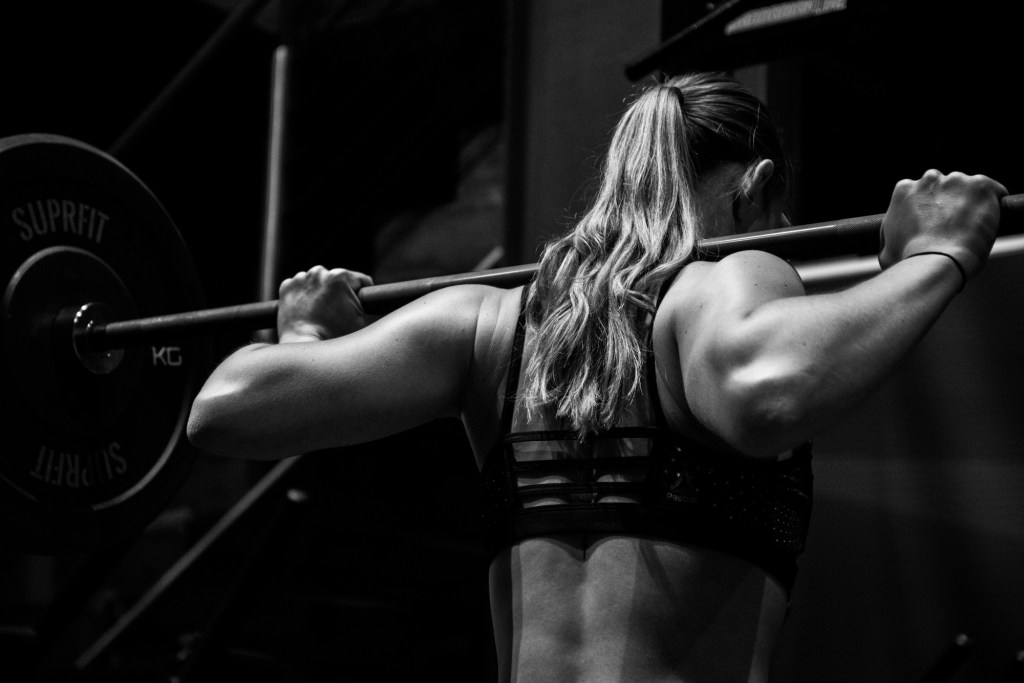
What would a gym that centers presence over performance look like? Imagine a culture of encouragement instead of comparison. How would owning space and authenticity with training look like?
What if we had female archetypes in the gym that didn’t require sacrificing our feminine essence or play to it and rob us of our anti-ageing/health/aesthetic benefits?
It makes me so sad that women are afraid of lifting weights in Lebanon even if it’s for their glutes because of that micro-moment of deviation from gender norms. These women ironically look less voluptuous and curvy than the counterparts who practiced discernment and did those heavy hip thrusts.
How can we as trainers, content creators, gym owners or even fitness addicts change the narrative around the gym?
Companies like Nike, Planet Fitness, Gym Shark, Squat Wolf and countless other brands have created campaigns to empower women in these spaces.
Can we, as content creators, for instance share more authentic thought patterns during the gym? Can we share our honest experiences instead of the lifts? Focusing on nuance and social visibility over performance?
THE GYM IS NOT THE ENEMY
Gymtimidation is simply a mirror and not an enemy. I invite you to reflect on your own stories as you enter the gym, what if you replaced those fear sensations with devotion?
How about we transmute all emotions into a work ethic that would empower us in all aspects of our lives?
Affirmations to relieve gymtimidation:
- “My body deserves presence, not performance.”
- “Today I take up space with no apology.”
- “I train not to shrink, but to rise.”
I hope that you enjoyed this blog post on Not Just in Your Head: The Psychology Behind Gymtimidation, please let me know what you thought about it in the comments section below!

 Taras Fit World
3 Comments Add yours