
Hey loves,
In 1700, the average person ate about 4 pounds (1.8 kg) of sugar a year. Today, the average American consumes over 120 pounds (54 kg) (FAO, 2021).
Sugar has also penetrated the Lebanese market (where I live) and is a huge part of many Lebanese people’s diets. While the diet industry is very rampant, important and respected in Lebanon, sugar finds its way into our social lives and can wreak havoc on our health.
I remember when I was deep into my cycle of restricting and bingeing (I don’t intend to normalize eating disorders), sugar became my master.
Sugar was my drug of choice then took control. While its inherent make-up does make it addictive, I remember the state of my mind, weight and body at the time. It wasn’t good, I wasn’t glowing internally and my outer appearance was like dimming the saturation on a portrait.
I had gained weight, my hair was thin for some reason, skin dull and I was riding a roller coaster of sugar spikes and dips.
If sugar is ‘just empty calories,’ why is it linked to over 45 million deaths annually from diet-related diseases?” (Lancet, Global Burden of Disease, 2019)
Yes, indulging is important for our mental health, it prevents an overly dull and restrictive lifestyle but do we need to be so lenient about it?
Why when I avoid eating the cake at a family gathering am I looked at as a diet-conscious freak (even though I’m strictly against this misinformed and grossly damaging industry)?
I would equally deny a cigarette, they both cause harm, one just is a product of a much more deliberate infiltration into our bodies and minds.
The Biological Truth: Why Sugar Is Not Just ‘Empty Calories’

Sugar as a Biochemical Saboteur
How does sugar wreck havoc on our health and bodies? It does so by creating glycemic spikes which cause rapid insulin rise and ultimately create fat storage (American Diabetes Association, 2022).
Consuming high levels of sugar chronically can lead to type 2 diabetes via the process of insulin resistance. Type 2 diabetes is no joke and requires lifelong management and treatment. Thankfully exercise can help manage some of its symptoms.
Sugar is also notorious for hijacking our brains, simply, sugar activates dopamine pathways in the nucleus accumbens which is literally the same region activated by cocaine (Volkow et al., Nature Neuroscience, 2011).
The Inflammation Link

Added sugars which are commonly found in processed foods raise C-reactive protein and oxidative stress which can lead to chronic inflammation (Pradhan et al., JAMA, 2001).
Fructose (the type of sugar found in fruits) overload in the liver promotes non-alcoholic fatty liver disease (Johnson et al., Hepatology, 2007).
Finally, high sugar diets are linked to reduced hippocampal volume and frighteningly enough, cognitive decline (“Type 3 diabetes”) (de la Monte, J Diabetes Sci Technol, 2008).
Why ‘Natural Sugar’ Is Still Sugar
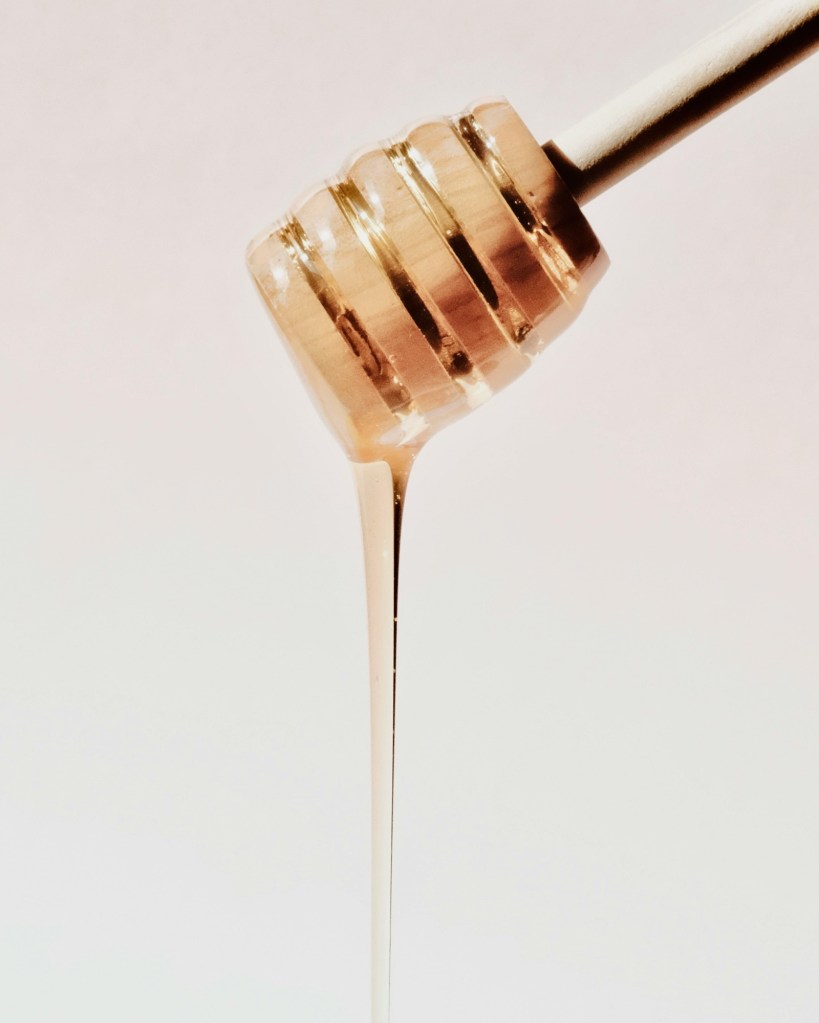
Let’s look at some of the “harmless” toppings or add-ons that taste sweet but can be dangerous:
- Honey GI ~58, close to table sugar (which is ~65).
- Agave syrup: contains up to 90% fructose which places a heavy burden on the liver.
- Fruit juice (your favorite Cappy orange or mango juice, for instance) spikes blood sugar as fast as soda (Harvard T.H. Chan School).
The Hidden History: How the Sugar Industry Shaped Our Diets
Colonialism and the Birth of the Sugar Trade

Sugar plantations in the Caribbean and Brazil were built on slave labor; by 1800, strikingly enough, sugar was Britain’s largest import (Mintz, Sweetness and Power).
The Great Cover-Up
1967 Harvard scandal: The sugar industry paid scientists to shift blame from sugar to fat (Kearns et al., JAMA Internal Medicine, 2016). This was a period when fat was the enemy and was blamed for causing weight gain and the myriad of health issues people were struggling with.
Worryingly enough, “Part of a balanced breakfast” became a slogan to normalize sugar-heavy cereals. The rise of Kelloggs and cereal brands begun and sugar crept its way into the most innocuous foods like Ketchup.
The Modern Empire: Sugar’s Grip on Society
The Business of Addiction
The food industry engineers products to the “bliss point”, which is the exact sugar/fat/salt combo that maximizes cravings (Moss, Salt Sugar Fat).
This point of satiety is blissful enough that we would blindly consume a whole package of the product just to keep the high and rush continuous.
74% of packaged foods in the U.S. began to contain added sugar (University of North Carolina, 2016). Sugar was now found in anything from chips to salad dressings.
Sugar and Socioeconomic Inequality
The saddest disparity is between socioeconomics and diet. I wrote about this in my fast food crisis post here.
Poor people simply don’t have access to healthy and fresh produce, with supermarkets and Mcdonalds being built in their neighborhoods to fulfill their nutritional needs.

It is so sad how closely linked a virtue like health is tied to income, education and the wealth bracket one is born or comes their way into.
The socioeconomic concept is called food deserts which refers to low-income neighborhoods often lacking fresh produce but having an abundance of sugary processed foods.
Finally, diet-related diseases cost the U.S. $327 billion annually (ADA, 2018). I’m sure the numbers in Lebanon are undocumented and with family honor and reputation tied in, will probably not be accessible to the public for study or analysis.
The Personal Cost: Sugar and the Modern Human
Fitness Performance

Sugar impairs mitochondrial efficiency, leading to early fatigue during workouts (Holloszy, J Appl Physiol, 2005). Microcondria essentially gives the body life, it is our cellular life force if you will and inhibited can disrupt and promote ageing as well.
Consuming high sugar post-exercise reduces growth hormone release and promotes fat synthesis. These two processes literally counteract all your hard work spent at the gym.
Skin, Aging, and Hormones
Sugar triggers advanced glycation end products (AGEs) which leads to collagen damage, wrinkles, and sagging (Gkogkolou & Böhm, Dermato-Endocrinology, 2012).
It can literally age you and make you look older than you are. Furthermore, sugar disrupts hormonal balance which worsens the already painful PMS symptoms in women and lowers the fundamental testosterone in men.
Breaking Free: How to Reclaim Your Health and Power
So how do we break free from the grip that sugar has on us? Let’s explore Detoxification vs. Gradual Reduction as processes.
Firstly, going cold turkey (stopping sugar immediately) may cause withdrawal-like symptoms such as headaches or irritability. This badass method of quitting is quite harmful to your physical and psycho-somatic state so I don’t recommend it.
Gradual reduction on the other hand, as in, slowly weaning off of sugar increases long-term adherence (Public Health Nutrition, 2019).
You can therefore reduce the amount you consume every single day until sugar no longer plays a part in your daily routine.
Building a Sugar-Free Lifestyle

You can build a sugar-free lifestyle by simply swapping soda for sparkling water with citrus.
You can also include a combination of protein and healthy fats in every meal to stabilize blood sugar (Ludwig et al., JAMA, 2018).
Here is a list of 20 alternatives to sugar you can consume:
- Strawberries
- Blueberries
- Apples
- Pears
- Oranges
- Kiwi
- Grapefruit
- Pomegranate seeds
- Cherries
- Watermelon
- Almonds
- Walnuts
- Pumpkin seeds
- Greek yoghurt (unsweetened)
- Avocado
- Eggs
- Chicken breast
- Lentils
- Quinoa
- 85% dark chocolate
Here is a list of 10 healthy and safe sweeteners you can consume:
- Stevia
- Monk fruit extract
- Allulose
- Erythritol
- Xylitol (be careful as it is toxic to dogs)
- Raw honey
- Maple syrup
- Date sugar or date paste
- Coconut sugar
- Blackstrap molasses
Finally, and to my curious readers who seek empowerment, you can learn all 56 hidden names for sugar in ingredient lists (FDA).
The Mindset Shift
We should start to see sugar as a chemical manipulator instead of a harmless treat. The way that it infiltrates our diets is a deliberate and strategic process (dictated by food industries) and we should in no way have to be victimized by it forever.
Keep a sugar journal to track your mood and energy changes. Notice the dips, the moodiness or grumpiness.
Look out for lethargy or moments of hyperactivity, you will find that sugar is much more potent than we give it credit for.
I hope that you enjoyed this blog post on The Dark Side of Sugar, please let me know what you thought about it in the comments section below!

 Taras Fit World