
Hey loves,
This week’s blog post is about a subject that carries a lot of weight in my heart. I have a sensitive disposition and have always felt the weight of Lebanese beauty standards heavily on my heart and spirit.
In my post about diet culture, I opened up about how insensitive, critical and direct people in Lebanon can be under the guise of collectivism. A mask to hide and minimize the jaggedness of their words.
I have always been considered beautiful and do fit into the beauty standard (admittedly with effort), this is a fitness and health page after all, dedicated to the beautification of the body and the mind.
I’m into self care, facials, I’ll indulge in the beauty treatment of the month and I do believe the adage that physical beauty is a result of maintenance (though mostly I believe it comes from the soul and spirit).
I’ve been around the most beautiful women and the only difference between them and my less attractive friends is how much effort they put into their physical appearance.
Most Lebanese girls are stunning because they associate pride and honor to their looks. This is where it becomes a double edged sword, when we fall short, shame arises.
Shame is a catalyst for vanity and narcissism and it is not fun to be around.
Women discuss diets at every social function, plastic surgery is common, you can’t have pimples or acne lest you want to turn your friends and family into dermatologists.
I remember my grandmother asking me why I had a tiny pimple on my cheek while she had three on her nose. Something about that moment struck me as absurd, the type of surrealism you’d find in a movie or piece of Kafka art.
I have vivid memories of cousins gaining weight and their weight being a subject of concern, gossip and judgment.
Consciousness about rigid beauty standards in Korea rose these last few years thanks to TikTok and Instagram but where is the conversation about Lebanon?

This article will explore how societal, familial, and media-driven beauty ideals affect women (and men) in Lebanon.
Beauty standards in Lebanon are extreme, culturally reinforced, and have a measurable impact on mental health, self-worth, and even social mobility.
I would say that compared to Korea, the only difference is that Lebanon does not demand thinness, certain social circles prefer it of course (the wealthy and elites) but the others value a curvy woman.
If all else (excluding thinness) meets the standards of the world’s harshest beauty standards (Korea), how do we find peace?
A lot of Koreans admittedly leave their home countries because they do not feel beautiful, thin and ultimately worthy enough of being there.
I can’t say I have ever felt anything but unworthy as a result of my culture, today’s post is deep and maybe a reminder that my upcoming vacation is long overdue.
Historical and Cultural Context
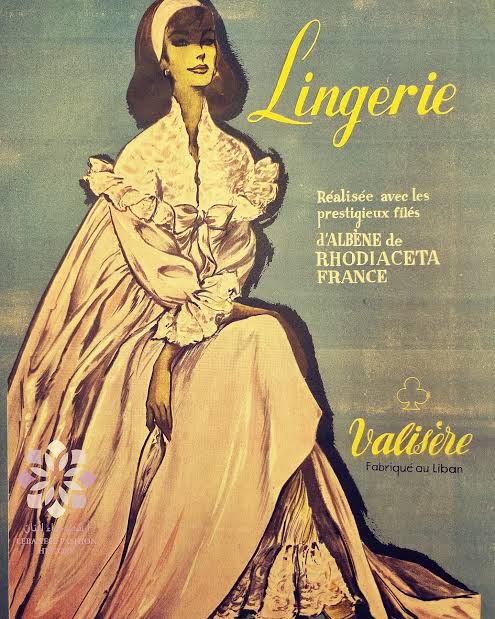
What’s Lebanon like? Why is it so image-focused and driven by superficiality (albeit a facet of most cultures)?
Lebanon’s capital, Beirut, was once known as the “Paris of the Middle East” and places a large emphasis on physical appearance.
For a very long part of its history, Lebanon was ruled and colonized by the French. This French colonial impact altered the way Lebanese people consumed and viewed fashion and beauty.
Traditional Lebanese ideals shifted from a traditional aesthetic to having a more feminine elegance, slender physique, fair skin and possessing European facial features.

Very much like Korea did Lebanon internalize a western standard of beauty to the detriment of its own features, ethnic genotype and culture (the personality of a nose, the appeal of home and what’s familiar).
With this colonized ideal came an intersection with religion and family expectations where certain communities pressure women differently. Factors like marital desirability are highly valued and social reputation is paramount in almost all social groups.
Social status is also linked to economics with wealth, branded fashion, and cosmetic procedures acting as symbols of success.
While this is common in most cultures, it does not posses them. Paris, Switzerland and Germany, three places I have lived, did not view social signaling as a must. A must for material acquisition is indicative of a shamed and fragmented self.

A shamed and fragmented self, in my view, and in deep conversation with therapists and thinkers is due to the deeply embedded society, self, family unit identity structure of Lebanese people.
The family operates as a unit, each member operating with society (another unit) and the self is erased for this structure to operate.
Men are encouraged to go out and hunt and cultivate a sense of selfhood whereas women are more anxiously preoccupied and rely on the validation of family members and society (they become codependent).
Media, Social Media, and the Digital Mirror
How do these existing dynamics shift with the introduction of Instagram, TikTok, and local influencers?
Of course, they magnify them. Lebanese social media depicts curated images that create impossible standards.
The flexing and ego dominating a feed otherwise filled with authentic and human content. This loudness of course only hides what people lack, what they’re afraid of and this inadvertently sends the opposite message.
I don’t follow any big Lebanese influencers, the narcissism and ego repulses me at my core, reminding me of all the inner work I had to do over this decade.
From unlearning codependency to finding love for the soul instead of ego, healing to me came in waves and the reminders of “the perfect face” and the Gucci flex shows me that external validation still feeds Official_Instagram_UserX’s ego.
Not all Lebanese beauty bloggers, fitness influencers, and celebrity culture are vain and ego-driven, of course but it’s safe to say the popular ones are.
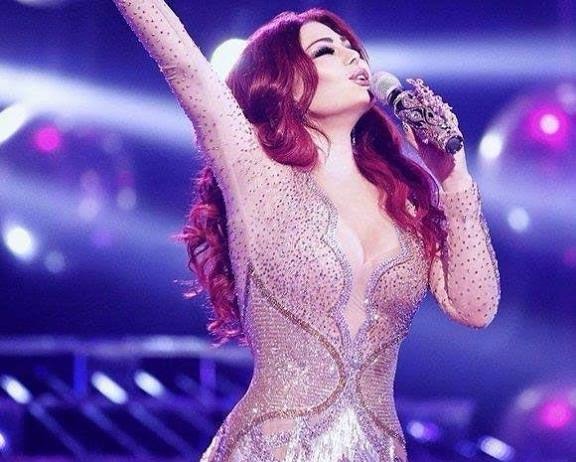
The vanity, the “I HAVE to do my hair” (for what audience?) and “my followers NEED to see this (do they, really?)”.
Photoshop and cosmetic filters are a global phenomenon. The Lebanese insecure person uses them often, shamelessly and of course, must do it.
The line between reality and digital perfection then becomes blurred and impacts the heart and minds of the young impressionable teens and tweens populating these apps.
The impact on mental health like body dysmorphia, anxiety, and low self-esteem is very much real. More and more cases of mental health disorders are arising, particularly from TikTok and the algorithms thirst for visual perfection.
Lebanese women (and men) constantly compare themselves to others online and offline. This harmful mindset was something I unlearnt a few years into my healing journey, with God’s tender voice telling me “other women are not your competition, they are or can be your sisters”.
Family Pressure and Social Policing

Family places a lot of pressure on physical appearances, it can be revolting. Your cousin who gains weight will get bullied, they’ll hide their reaction well but you’ll feel their pain in your heart.
Their shield comes up, they harden, it happens all the time.
Marriageability is paramount and first impressions must be positive. Women’s agreeability is magnified, men perform caring like they’re winning an Oscar.
Sisters, cousins, and friends get compared and the soulless eyes meticulously studying their differences become the orbit of their self esteems for minutes.
I have a twin sister so this traumatized both of us. I also have a beautiful mother (whom I’m told I resemble) and the three of us were compared, that sucked.
Once again, the visual and physical took precedent and the ethereal spirit ignored for “whose nose is bigger?” “who is taller?” or “who has a nicer smile?”
These comparisons drawn by a person who looks like a Looney Tunes character.
As I mentioned before, neighbors, extended family, and even house staff can reinforce beauty pressures.
They comment on things like skin, weight, hair whilst under the guise of “collectivism” (aka: an excuse to be an asshole).
The Cosmetic Surgery Phenomenon

Lebanon prices surgery affordably. It very much matches Brazil and Colombia’s collectivist beauty market and culture.
Lebanon is known as a hub for aesthetic medicine with a high density of cosmetic surgeons in Beirut. Common procedures include rhinoplasty, breast augmentation, fillers and Botox.
Surgery here, much like in Korea is seen as an investment rather than vanity. It is normalized, glamorized and can enhance one’s social status (barf).
Cosmetic procedures then act as a status symbol, linking Lara’s designer nose job to a wealthy suitor and thus, increased social mobility.
The psychological impact of surgery is understated, with teens being pressured to get surgery on their 18th birthday (especially nose jobs!)
Fitness, Dieting, and the Body Image Machine
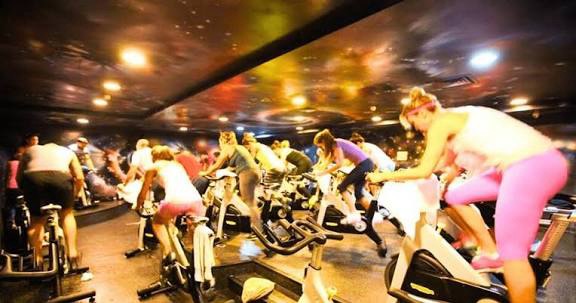
I’m guilty of this one, I’m literally this, yes. Fitness culture in Lebanon is big in Lebanon. Gym selfies, fitness influencers, and “Instagram-ready” physiques (all year round, please) are the norm here.
Extreme dieting (click here to read about diet culture in Lebanon), weight obsession, and unhealthy supplements are common here.
With the rise of colonialism, globalization and collective self-hatred came a hyper-focus on slenderness, a difficult body type to achieve due to the Lebanese genotype and fat distribution (pear shape typically, even in men!).
Youth of course is praised like it would be in any culture but magnified by how superficial, misogynistic and insecure half of these people are.
Lebanese men are allowed to age like wine, gracefully whereas women are pretty much expired past a certain point. Yeay, double standards!
Mental Health Consequences

Lebanon has high rates of anxiety, depression, and body dysmorphia. Due to rigid beauty standards and the high cultural emphasis on physical appearance, there has been a rise in body image concerns and negative impacts on mental health (Maasri, 2020).
Internalized shame and guilt is huge here with many feeling “less than” for not meeting standards.
The two main issues I’ve noticed here are social anxiety (due to the second) and fear of judgment (due to reputation management filters). Daily life is impacted, from school, work, dating and social events taking the biggest hit.
Beauty standards are harsher for women with darker skin, different body types, or non-conforming features being looked down upon (by morons).
Racism unfortunately is still very rampant in my country and it does break my heart.
Pushback and Redefinition
Emerging movements such as local campaigns promoting body positivity and natural beauty have become common nowadays.
Many influencers are challenging norms with women showing “unfiltered” realities on social media. Art, literature, and media are modalities for Lebanese creatives who (like me) critique unrealistic beauty standards.
Conclusion
Beauty standards in Lebanon are brutal, but awareness and conscious resistance can mitigate harm. I want to encourage you, my readers, to question the societal and digital pressures that you absorb.
If any of you are suffering from a mental health affliction in Lebanon, please reach out to any of these organizations:
I hope that you enjoyed this blog post on The Brutality of Beauty Standards in Lebanon, please let me know what you thought about it in the comments section below!

 Taras Fit World