Hey loves,
Most women are lied to at an early age about what it takes to achieve a good body and more importantly, what a ‘good’ body is.
They are taught early on in life that to be worthy is to be skinny. It is no surprise that at the age of 12, I wrote down in my journal that my biggest fear was to be fat.
Lebanese culture highlighted and magnified this issue, with cousins and relatives being vocal about people’s bodies or rather, their own feelings about them, my biggest fear was being a subject of ridicule around them.
It took time and witnessing women around me gain weight and get criticized or laughed at behind their backs to understand how deeply embedded a body-centric view of people was in Lebanese culture.
Lebanon is a superficial country whether people want to admit it or not and even issues like acne can be openly discussed among relatives.
Back to weight, billboard for diet centers and diet products are plastered all over Lebanon with promises of skinniness and self-worth as messaging showcased on all the highways.
Conversations about the latest diet and complaining about how much they had for dinner is so common that you’d think the world thought like that.
And hey, maybe it does! But some Lebanese people have a way of not displaying tact or sensitivity when pointing out if someone gained weight or lost it, if they had acne or even if they were too skinny (and therefore “flat”).
Health and nourishment are subjects not promoted. Advice about skipping dinner is commonly given to my friends, myself and people around me.
To eat, nourish and be indulged “should” induce guilt or shame if you are overweight and this is not because fat is bad, but the idea is of punishment (or fear) being central to maintaining a good figure.
Wellness and mental health are looked at as secondary and the primary goal is to look as slim as possible. Of course, until Kim Kardashian popularized having a big butt.
The discourse now comes from being “curvy” and skinny girls are openly shamed for their lack of curves.
I remember when I was training for a marathon and losing some weight, a guy friend told our friend that I had a “bigger butt before”, as if it was a personal failure to have lost some of my curves.
The issues stem from our obsession with our physical appearances, much at the expense of our health and mental health.
These issues are pronounced with the enforcement of diet culture and how girls are taught early on that skinniness is the ideal and to be fat is to be less worthy.
The cost of this false narrative is hormonal wreckage, eating disorders, burnout, and broken self-trust.
It is also body dysphormic disorder and disruption of academic, political or career oriented pursuits.
The goal of this post is to reclaim strength with truth, strategy, and compassion. I have previously written on the subject of diet culture here.
The Hidden Crisis: When Fitness Hurts More Than It Helps
How exactly did diet culture come into popularity? How did it rise into being a mainstream subjugation to mainly women and some men?
Let us go over the history of this oppressive force:
1960s–70s: The Birth of Modern Diet Culture
This era was when Weight Watchers was founded in 1963 by Jean Nidetch who was a New York housewife.
Weight Watchers initially began as a community-based program focused on calorie tracking and weekly weigh-ins.
It popularized the idea that weight loss = health and that thinness was a moral achievement.
Around this time, dieting became a mainstream social norm, especially for women, tied to post-war ideals of domestic perfection and beauty.
1980s–90s: The Low-Fat Craze
As a reaction to the rising heart disease rates, U.S. government guidelines in the late 1970s and early 1980s recommended reducing dietary fat.
This was the catalyst for a low-fat food industry boom where everything from cookies to yogurt now was offered in “low-fat” versions.
Sugar and processed carbs, however, were often added in place of fat, which led to poor metabolic outcomes.
Culturally, the fear of fat, became normalized not just in food, but in bodies. The very fear that haunted me in my adolescence was caused by marketing and fear mongering.
2000s–2010s: The “Clean Eating” Movement
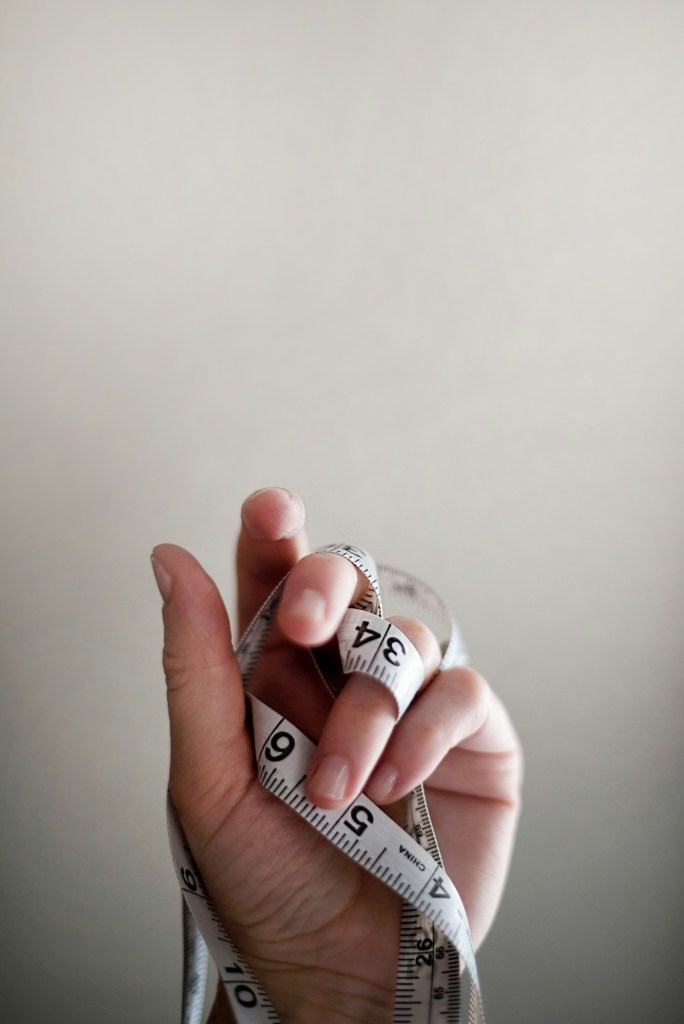
With growing distrust of processed foods, the concept of clean eating emerged. This type of restrictive eating emphasized whole foods, organic produce, avoiding preservatives, gluten, dairy, and sugar.
While it began with some good intentions, clean eating later evolved into a moralized approach to food where clean= good and dirty = bad.
Eating became a source of anxiety, guilt, and social signaling. Influencers, blogs, and wellness brands fueled this trend, often without scientific backing.
The impact of these trends helped shape diet culture which is the belief system that equates thinness with health, weight loss with worthiness and food choices with morality.
It also created a multi-billion dollar industry profiting off people’s insecurities, especially women’s.
The industries that benefit off of this are mainly diet centers, low fat or sugar free products, even gym and fitness centers, garment and silhouette shaping shops and supplement companies.
Dieting culture is responsible for the following physical ailments:
Amenorrhea (Functional hypothalamic amenorrhea / Female Athlete Triad)
Why? Energy deficit disrupts hormones: Intense exercise combined with inadequate calories creates a low-energy state that impairs hypothalamic-pituitary-ovarian function, suppressing estrogen and halting menstrual cycles. This is termed functional hypothalamic amenorrhea (FHA)
Female Athlete Triad / RED‑S: This well-documented condition comprises disordered eating, amenorrhea, and bone loss. Extreme training and restriction lead to energy imbalance, menstrual dysfunction, and decreased bone mineral density.
Psychological stress compounds risk: FHA is often tied not just to physical strain but also to psychological stress, perfectionism, and obsessive behaviors around eating and exercise.
I remember when I was heavily influenced by diet culture in my early twenties and having experienced losing my period.
I was undereating and over exercising to such an extent where I’m sure I developed anemia as well. These experiences were literally outward manifestations of the conditioning I had as a child.
My fear of gaining weight, criticism from family about eating bread and the guilt and shame permeating lunch and dinner tables were the perfect combination for me to develop an eating disorder.
2. Binge‑Restrict Cycles
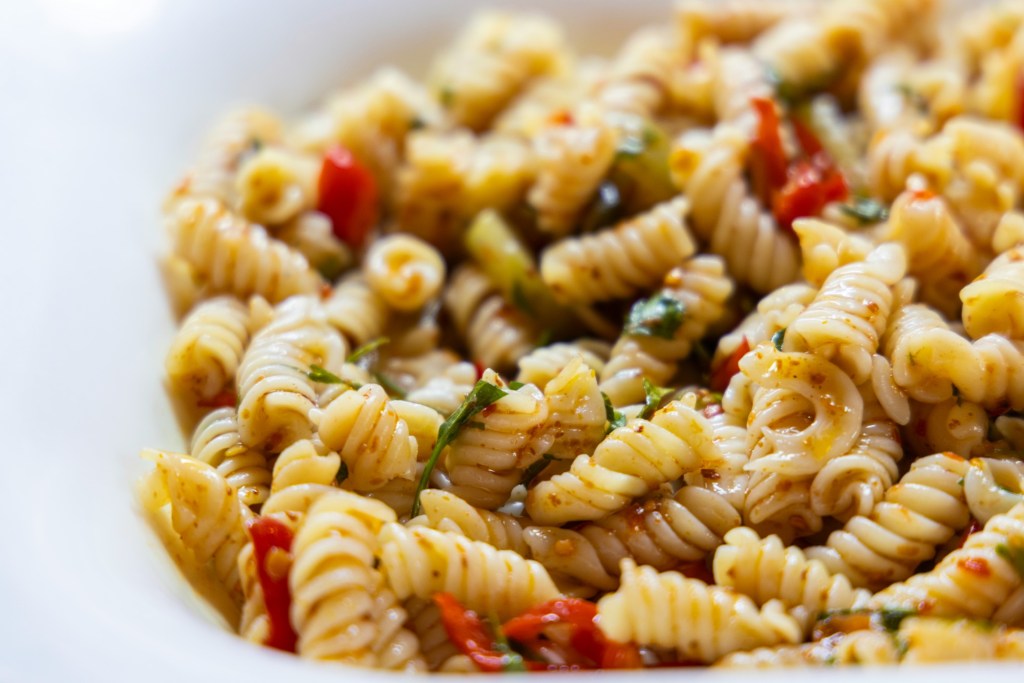
Biological rebound: Severe restriction, especially labeling foods as “bad,” creates intense cravings. When restraint breaks, binge episodes follow naturally, leading to guilt and renewed restriction which becomes a self‑perpetuating cycle.
Mental impacts: This cycle causes distorted hunger signals, shame, anxiety, and negative self-image. Nutrition professionals emphasize that deprivation and not moral weakness that drives bingeing.
Diet culture’s role: Pressure to follow restrictive fitness ideals contributes heavily to these binge-restrict cycles. Experts note that it is restriction and diet culture that drive bingeing instead of lack of willpower .
3. Anxiety & Obsession
Exercise compulsion as a form of addiction: There are different schools of thought on this subject. Upon doing the research for this blog post, some studies did link certain similarities from addictions (such as withdrawal, cravings and needing the drug to building a tolerance) to exercise addiction.
They stipulated that ‘disciplined fitness’ is essentially code for this type of addiction.
As a fitness lover who understands motivation, I understand how dopamine is also responsible for the body’s ‘craving’ for exercise.
You get used to the endorphins, the feel good hormones like serotonin rushing through your system and that makes your body crave more of it.
You can develop this type of dopamine addiction to social media, to achieving goals (the feeling of wanting to accomplish another goal straight after) or after being productive.
Does this mean that fitness can be placed into this framework of diet culture and its consequences? I don’t think so, not quite.
I think it can be abused but most ‘addicts’ are just obsessed with their goal and their bodies are adapted enough to crave the motivation to reach that dopamine-rich state.
Perfectionism link: Some research does indicate that traits like rigid perfectionism and rule‑bound thinking (OCPD-spectrum) are common among those engaging in excessive exercise and restriction.
Emotional consequences: Chronic stress elevates cortisol, fueling anxiety, mood disturbances, and obsessive focus on food/exercise .
How These Issues Interconnect
A restrictive fitness approach leads to calorie deficits, specifically amenorrhea through the bodies’ hormones shutting down.
The same restraint triggers physiological and psychological mechanisms such as the binge‑restrict cycles.
Meanwhile, dieting and compulsive exercise feed into anxiety and obsession, completing a vicious loop with menstrual dysfunction.
What the Research Suggests for Breaking the Cycle
The research suggests prioritizing balanced energy intake and mindful eating in order to stabilize disordered cycles and reduce binge urges.
Making peace with one’s body, learning to love movement and prioritizing self love are all ways that we can get out of any disordered eating patterns.
One should shift their focus from aesthetic or performance-based restriction to overall well-being, this will also reduce any obsession.
For food, an emphasis on nourishment over calories or restriction can truly help us reconnect with our bodies and enjoy being in the skin we’re in.
We should also seek mental health support if needed. Cognitive‑behavioral and stress‑management therapies are key for returning from disordered patterns and not just physical rehab.
Amenorrhea & Loss of Periods
Intense training plus low energy intake can disrupt the menstrual cycle, this is part of the Female Athlete Triad which consists of disordered eating, amenorrhea, and osteoporosis.
This is also called functional hypothalamic amenorrhea (FHA), a process where the brain suppresses reproduction to conserve energy. This is driven by decreased leptin, thyroid hormones, and sex steroids.
Even subclinical low energy availability can cause menstrual disruptions before osteoporosis sets in.
Binge‑Restrict Cycles
Chronic restriction which is cutting of carbs and calories can trigger biological survival response which includes a spike in hunger hormones (ghrelin), can intensify cravings which can lead to binging.
The guilt drives renewed restriction which ultimately creates a vicious loop.
Clinically, binges often involve 1,000–10,000 kcal+ in a single episode, often accompanied by loss of control and shame.
This harmful cycle distorts hunger cues, damages metabolism, mood, even GI function and cardiovascular health.
Anxiety & Obsession
Athletes and those in fitness culture often show perfectionism and obsessive behavior such as constantly tracking calories, macros, workouts- these are often linked to anxiety and depression .
Subclinical orthorexia nervosa: this disorder is an unhealthy obsession with “clean eating”. This eating disorder is on the rise due to social media and is tied to perfectionism and narcissism, even when not clinically obvious.
Metabolic Downregulation
In response to energy restriction, the body activates adaptive thermogenesis which describes the process whereby metabolism slows to conserve energy (“starvation mode”).
Yo-yo dieting exacerbates this: repeated weight loss/regain increases fat retention, worsens insulin management, and leads to fatty liver, gallstones, and cardiovascular risk.
RED-S (Relative Energy Deficiency in Sport) further highlights fatigue, bone loss, anemia, cold intolerance, hair loss. Contrary to popular belief, it is not only elite athletes that suffer.
How “Healthy” People Are Silently Suffering
Many of the “healthy” people around us experience hidden energy deficits: they may exercise more without eating enough. Unfortunately, without disordered eating diagnosis, they develop RED-S symptoms.
These individuals may not show extreme weight loss but may present with fatigue, anxiety, menstrual irregularities, or obsession. Due to societal praising of exercise and having a healthy lifestyle, they become blissfully unaware that it is actually harming them.
Routine checkups often miss these issues until more serious issues start to occur. These include fertility problems, stress fractures, or mood disorders.
Rewiring Your Mind: Stop Thinking of Your Body as a Problem to Solve

The issue lies in our conditioning. It is exacerbated by body image and the complexity of mass marketing and conversations about our bodies being a work in progress.
This problematic view of our bodies as works in progress drives universal processes such as the desire for thinness, application of makeup and grooming rituals and dangerously, our constant dissatisfaction with ourselves.
Simply, if society didn’t push us to improve, glow up or alter our appearance to meet beauty standards it also dictates, women would be in a much more empowered position.
Fitness and thinness are great endeavors to achieve, they lead to longevity, help us stay active enough to embrace our kids and keep us out of hospitals.
We need to find a middle ground where our quest for fitness and thinness comes from love for ourselves. It needs to be an escape the matrix type moment instead of an adhere to the toxicity our mothers learnt and lived before us one.
Simply, in our quest for truth, unlearning harmful or toxic beliefs about industry for instance or sugar, we need to take charge of our health.
This mindset switch from slave to a system designed to hurt us to empowered truth seeker and longevity expert can quite literally save our lives.
Having extra weight on is not healthy, sure, but it isn’t the end of our lives as women. Even beyond that perspective, as we escape the saturated fat, doctor fixes everything, low carb matrix, we learn that we have been taught everything wrong about fitness.
We should not approach fitness from a place of fear but a place of empowered wisdom and truth seeking.
You can find out why muscles on women for instance isn’t our enemy like fat is, it can quite literally help us live longer and save our lives, Click here for the article, check out this one on unlearning lies told to us by the fitness industry.
Finally, how do we rebuild ourselves after society taught us to minimize our experience and stay small?
How can one embrace strength as a modality when we were taught it was only for men or would make us a threat?
Furthermore, with the discourse and rise in consciousness on feminine energy, does being a strong and empowered woman have any more appeal?
Regardless, building a body is a way out of a system designed to make us sick, to keep us in eating disorders and to be dependent on doctors for longevity and weight loss.
Training to Build: A Strength-Centered Approach to Long-Term Fitness

Red pill or blue pill? Let me break down the benefits of strength training for you:
- Improved bone density
- Metabolic resilience
- Improvement in mental health
- Hormonal support
How do we program our training for growth and energy instead of punishment? Are we so programmed to hate ourselves that this feels like a fad?
Health looks like this: strength training 2-3x a week to build healthy muscle (which helps us live longer and releases hope hormones), walking half an hour a day, consuming a high protein nutrient-rich diet, drinking a lot of water, prioritize rest and sleep.
Food is Fuel, Not a Moral Scorecard
We need to break up with “clean eating” and food guilt once and for all. Proteins, carbs and fats all serve a function with carbs literally fueling our brains and being an energy source.
Focusing on nourishment, especially in Arab culture means acknowledging there’s a base line. Our bodies need food to function, they don’t care about our feelings, they rely on our intelligence.
Overeating induces feelings of guilt and shame in so many people and that needs to be unlearnt. Our bodies are resilient, intelligent and don’t really care how we feel in order to function.
If you are worried about getting fat from one meal, it likely won’t happen. You need to just move on to your next healthy meal.
Eating for joy isn’t a cardinal sin, and indulgence isn’t gluttony. Marissa Peer who is is the creator of Rapid Transformational Therapy, a hypnotherapy-based approach to transformation talks about how powerful our words are at shaping our destinies.
Choose them appropriately: “I ate more than my body needed so I will move on from it and continue eating for my health and longevity.”
Instead of “I ruined everything, I will gain all the weight back and will have to do this all over again. I can’t ever indulge again.”
Yes, words do matter. Your mental health matters as well. Reframe, facts over feelings, stick to the plan.
Reclaiming Your Power: Real Health is Calm, Not Obsessive
Self-regulated, peaceful fitness looks like training from a place of love, with discipline and routine being anchors for modalities like faith, service and giving to others.
Setting goals should come from a place of love and power, not fear or insecurity. In Arab culture, shame drives a lot of us, the desire to escape it, whether as an internal readjustment toward criticism or our inner critic or our families and friends’ insecurities.
When you pick up the weight at the gym, I want you to imagine it all fading, not driving you. Be driven instead by love for yourself. Ask God in that moment to guide you and bring you towards purpose and meaning.
We have enough narcissism rampant, what about those of us who love life and want to live longer? Let us, instead, be the voice of fitness in this part of the world.
Conclusion: This is Your Revolution
You were never broken, the system is and you suffered. I invite you to take the red pill and rebel against a system designed to confuse, weaken and disarm you. Let strength training be your training for the ultimate fight for truth and longevity.
Sources:
Dietitian UK. (n.d.). The binge-restrict cycle: How to break it. Retrieved from [https://www.dietitianuk.co.uk/binge-restrict-cycle-how-to-break-it/](https://www.dietitianuk.co.uk/binge-restrict-cycle-how-to-break-it/)
Endocrine Society. (2017). Functional hypothalamic amenorrhea: An Endocrine Society clinical practice guideline. The Journal of Clinical Endocrinology & Metabolism, 102(5), 1413–1439. Retrieved from [https://academic.oup.com/jcem/article/102/5/1413/3077281](https://academic.oup.com/jcem/article/102/5/1413/3077281)
Fairburn, C.G., Cooper, Z., & Shafran, R. (2003). Cognitive behaviour therapy for eating disorders: A transdiagnostic theory and treatment. Behaviour Research and Therapy, 41(5), 509–528. Summary accessed via [https://jeatdisord.biomedcentral.com/articles/10.1186/s40337-019-0248-0](https://jeatdisord.biomedcentral.com/articles/10.1186/s40337-019-0248-0)
HSS. (n.d.). Female athlete triad: Causes, symptoms & treatment. Hospital for Special Surgery. Retrieved from [https://www.hss.edu/health-library/conditions-and-treatments/female-athlete-triad/](https://www.hss.edu/health-library/conditions-and-treatments/female-athlete-triad/)
Nutrients. (2024). Nutritional and hormonal recovery in female athletes with hypothalamic amenorrhea. Retrieved from [https://pdfs.semanticscholar.org/8fea/9cb56146f761c71fe3819d5a8357089d5bdb.pdf](https://pdfs.semanticscholar.org/8fea/9cb56146f761c71fe3819d5a8357089d5bdb.pdf)
PureWell Counseling. (2022). Understanding the restrict-binge cycle. Retrieved from [https://www.purewellcounseling.com/blog/understanding-the-restrict-binge-cycle](https://www.purewellcounseling.com/blog/understanding-the-restrict-binge-cycle)
Roberts, C.H., Black, A., & Smith, L. (2020). Understanding hypothalamic amenorrhea in physically active women. Therapeutic Advances in Endocrinology and Metabolism, 11, 1–10. Retrieved from [https://journals.sagepub.com/doi/pdf/10.1177/2042018820945854](https://journals.sagepub.com/doi/pdf/10.1177/2042018820945854)
SpringerLink. (2022). Relative Energy Deficiency in Sport (RED-S) and menstrual dysfunction. In: Female Athlete Health. Retrieved from [https://link.springer.com/chapter/10.1007/978-3-030-83951-2\_9](https://link.springer.com/chapter/10.1007/978-3-030-83951-2_9)
Therapeutic Counseling. (2021). Breaking the binge-restrict cycle. Retrieved from [https://www.therapeuticcounseling.org/post/breaking-the-binge-restrict-cycle](https://www.therapeuticcounseling.org/post/breaking-the-binge-restrict-cycle)
UC San Diego Center for Healthy Eating and Activity Research (CHEAR). (n.d.). Breaking the binge-restrict cycle. Retrieved from [https://chear.ucsd.edu/blog/breaking-the-binge-restrict-cycle-healthy-eating-habits](https://chear.ucsd.edu/blog/breaking-the-binge-restrict-cycle-healthy-eating-habits)
Vanity Fair. (2021). Compulsive exercise, wellness culture, and the rise of fitness obsession. Retrieved from [https://www.vanityfair.com/style/2021/09/compulsive-exercise-pandemic-wellness-physical](https://www.vanityfair.com/style/2021/09/compulsive-exercise-pandemic-wellness-physical)
Verywell Health. (2022). How to stop binge eating. Retrieved from [https://www.verywellhealth.com/how-to-stop-binge-eating-5094830](https://www.verywellhealth.com/how-to-stop-binge-eating-5094830)
Verywell Mind. (2023). Hypothalamic amenorrhea: Causes and recovery. Retrieved from [https://www.verywellmind.com/hypothalamic-amenorrhea-4687508](https://www.verywellmind.com/hypothalamic-amenorrhea-4687508)
Wikipedia. (2023). Relative energy deficiency in sport. Retrieved from [https://en.wikipedia.org/wiki/Relative\_energy\_deficiency\_in\_sport](https://en.wikipedia.org/wiki/Relative_energy_deficiency_in_sport)

 Taras Fit World