
Hey loves,
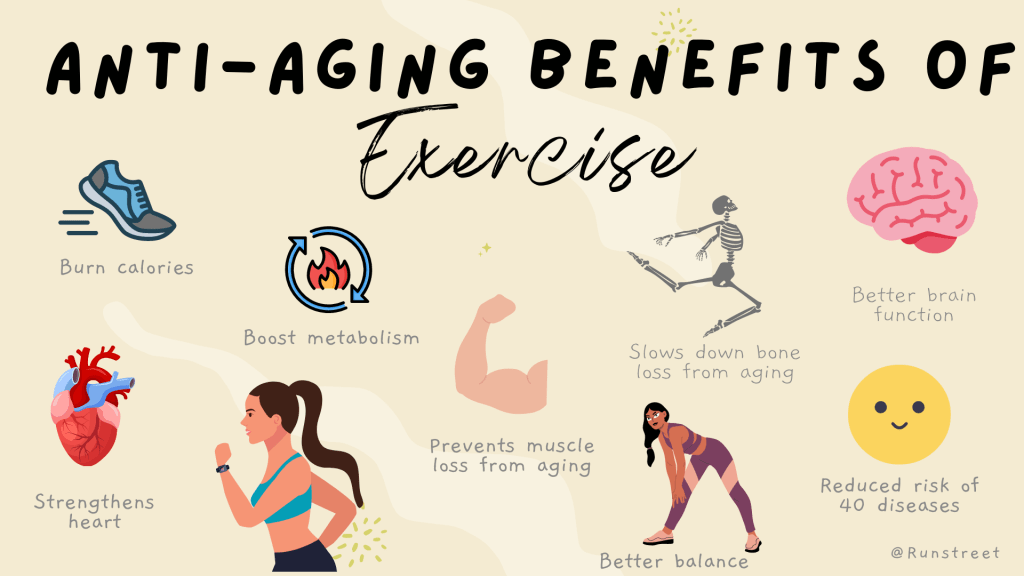
Today’s blog post is about how strength training slows down skin ageing. Check out my previous posts on anti-ageing and longevity for background research on the subject.
Ever notice the glow of a person that starts working out? I’m not talking about the subtle changes in the face that this post will later cover.
I’m simply talking about the energetic shifts that they undergo? You start enjoying conversations with them more, and simply basking in their presence.
We know about the anti-ageing industry and how they demonize the process of ageing (and women’s fear of it mainly).

When we think about this industry we think about modalities like lasers, Botox, creams and serums. Have we ever thought about muscles and muscle density?
We should. A recent 2025 study reported that regular exercise including strength training is associated with a reduction in “biological age,” as measured via epigenetic and cellular aging markers.
Furthermore, resistance training rejuvenates aging skin by reducing circulating inflammatory factors and enhancing dermal extracellular matrices.
Skin ageing doesn’t just happen on the surface, it happens because the body beneath the skin changes. Lifting reverses those deeper changes.
The Biology of Skin Ageing
What is the biology of skin aging? What does it even mean for skin to get old? Let’s go over the idea of chronological and extrinsic ageing.
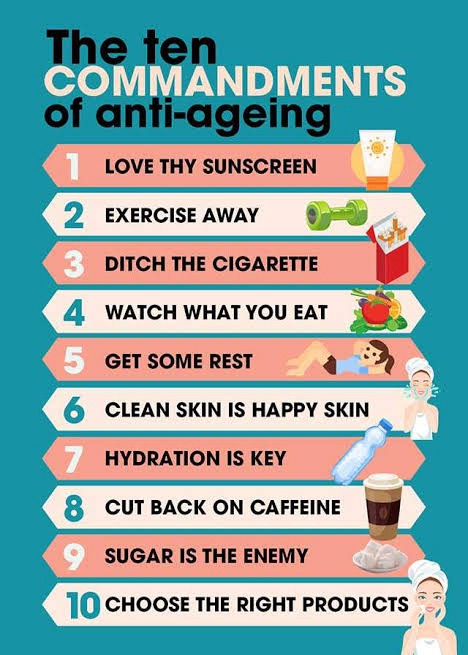
Chronological ageing is ageing based on the years we have been existing on this earth. If you are born in 1995, for instance, then you are 30 years old. You cannot control this type of ageing.
Extrinsic ageing is the type of ageing that you can control. It includes factors like ageing related to stress, lack of sleep, sun exposure, alcohol consumption or smoking.
One can reduce or limit their use of this in order to reap their youngest looking skin. In order to stay youthful, one would have to use sunscreen, antioxidants, retinol, eat a protein-rich diet and avoid alcohol/smoking.
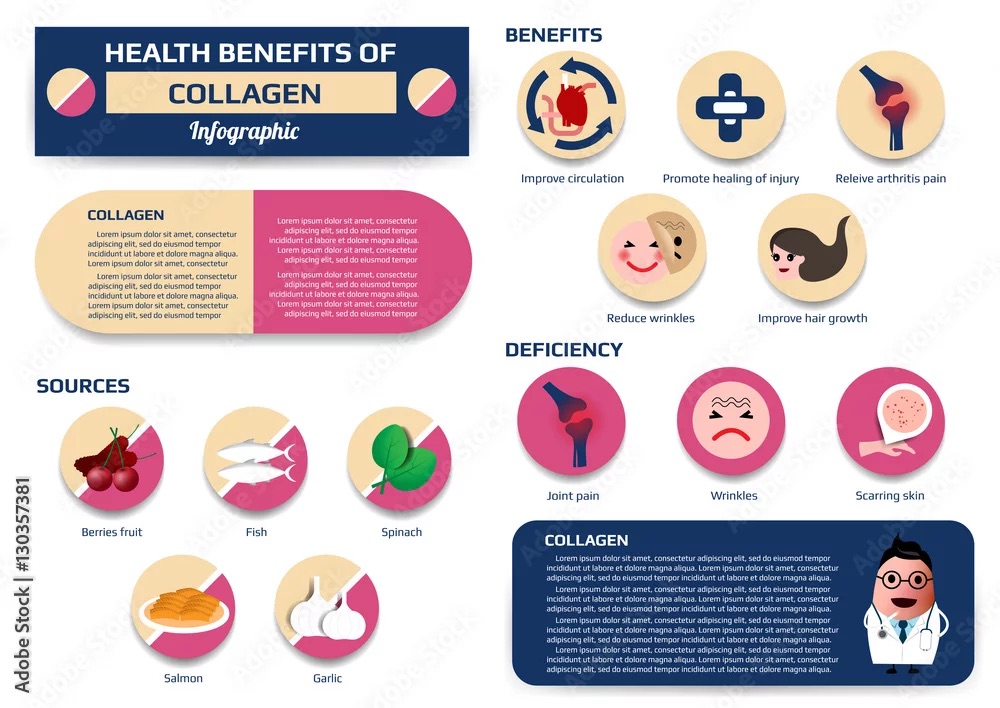
The skin factor that determines a youthful 20 year old face to a 55 year old is the idea of collagen. Collagen kind of pixalates the face to give it the appearance of youth.
How do we lose collagen? It happens naturally. We lose 1% of collagen per year after 25, this process happens faster after 35.
Other processes include skin thinning, loss of elasticity, increased dryness and slower cell turnover.
What is the impact of inflammation, oxidative stress and glycation on the skin? Not good, it makes one age faster.
Facial fat redistribution can age a face or make it look more youthful.
Furthermore, posture collapse which creates a sagging appearance of the jaw and neck can deter from one’s youthfulness and visual appearance.
Muscle, circulation, and hormonal balance all matter for youthful skin.
How Strength Training Directly Improves Skin Biology
1. It increases collagen production through mechanical signaling
Lifting improves fibroblast activity which leads to more collagen and elastin (the very elements responsible for a youthful looking face).
This phenomenon explains why long-term lifters have denser and tighter skin.
2. Boosted blood flow = more nutrients sent to the dermis

Exercise increases our blood circulation. This enhanced microcirculation delivers oxygen, vitamins and amino acids to the skin.
This is why the post-workout “glow” is real and cumulative.
3. Reduced inflammation and lower baseline cortisol
Chronic inflammation accelerates wrinkle formation. Lifting weights reduces systemic inflammatory markers and improves cortisol rhythm.
Therefore having balanced cortisol leads to less puffiness, less dullness and better elasticity.
4. Muscle as an endocrine organ (aka: Myokines)
Myokines like IL-6 (anti-inflammatory in exercise), irisin, BDNF are created by muscle building. Myokines improve tissue repair, metabolic health, and cell turnover.
5. Improved Insulin Sensitivity and Anti-Glycation Effects
Glycation is a process where sugar binds to collagen which then making the skin stiff and have wrinkles.
Strength training improves glucose metabolism which then prevents glycation damage.
6. Lower Biological Age Through Strength Training

Having an increased VO2 max and strength are both biomarkers of slower ageing.
Because lifting increases mitochondrial function, we therefore have much more youthful cells.
How Strength Training Keeps Skin Young
How does strength training keep our skin young? Aside from the factors that were mentioned earlier like Myokines, collagen production and anti-glycation, it does so through the following mechanisms.
1. Sleep

Simply, better sleep leads to more growth hormone which ultimately leads to more collagen synthesis.
Lifting also regulates circadian rhythms which makes us wake up on time and sleep peacefully.
2. Stress Resilience
Reducing stress is paramount towards looking younger. Reducing stress puts us in a better mood, which leads to lower chronic cortisol and reduces oxidative stress.
Unfortunately, emotional stress visibly ages the face.
3. Appetite regulation and skin-boosting nutrition
Having a higher protein intake supports collagen and elastin. These two make facial skin look way younger. Having high enough levels of collagen and elastin can give one the appearance of a young adult even into older years.
Drinking water and staying hydrated is also paramount towards having better looking skin.
Finally, lower sugar levels leads to less glycation which means having little to no wrinkles!
4. Better lymphatic drainage

Lymphatic drainage includes movement that stimulates our lymph flow. This decreases puffiness and allows us to have clearer and brighter looking skin.
Why Fit Women Look Younger
1. Facial Fat Redistribution
Active women tend to lose fat in the lower face which results in them having a more sculpted jawline.
Reduced inflammation leads to a tighter skin surface.
If you want to maximize this look of a sculpted jawline, I suggest buying a jaw shaper tool to truly help accentuate it.
2. Improved Posture = Lifted Appearance

Lifting weights and being fit in general allows us to have better posture. It does so because we learn to keep ourselves straight for exercises and during our rest periods.
We also have to stretch before and after our workouts which leads to practice having better posture. In essence, having forward head posture makes our jaw disappear.
Upper-back training like performing the back row or chest press lifts our neck, jawline, and face visually.
3. Muscle Tone Improves the Way Skin Sits on the Body
Having glutes, legs and shoulders changes the way our skin drapes on our bodies. The result is that our skin sits tighter and firmer on our bodies.
Furthermore, firmness under the skin gives us a more youthful silhouette.
4. The Skin–Muscle Relationship on the Body
Having muscle changes the way loose or saggy skin sits on our bodies as well. For instance, strong triceps means no upper-arm sagging.
Having strong glutes leads to tighter skin over hips. Having a strong back, sculpted by rows and pull downs results in smoother, tighter upper-body skin.
The Role of Cardio in Skin Ageing
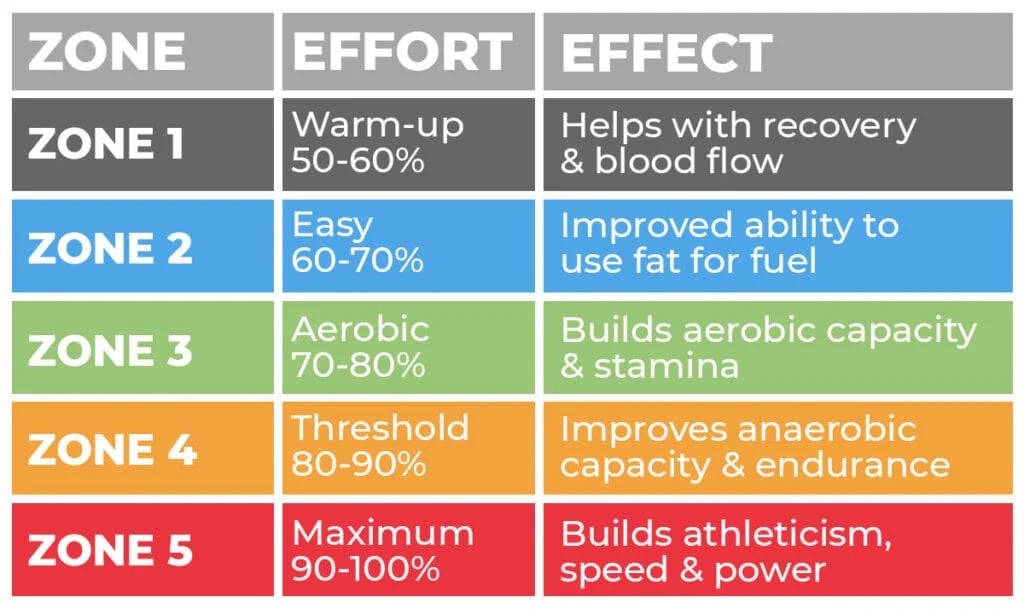
You must enter Zone 2 for circulation and mitochondrial youth. Performing HIIT is ideal for growth hormone and collagen.
I just give a warning however that excessive chronic cardio can lead to cortisol dysregulation which results in an aged appearance.
The ideal combination is strength training as the foundation with strategic cardio placed throughout the week.
Hormonal Restructuring
1. Growth Hormone & IGF-1
Short bursts of these hormones are released during heavy lifting. The release of growth hormone and IGF-1 allows us to have more collagen synthesis.
2. Estrogen & Muscle
Strength training supports estrogen balance which leads to a better skin barrier and more moisture on your skin (think having a dewy and hydrated look!)
3. Testosterone in Women
We produce low amounts of testosterone however it is essential to improve our skin thickness, firmness and muscle tone.
4. Thyroid Function
Finally, exercise improves our metabolic rate while ultimately supports our skin turnover.
How Lifting Reverses Ageing in the Long Term (What the Studies Say)
Mitochondria & Cellular Aging
Resistance training doesn’t just change how your body looks, it changes your cells. One of the landmark studies in this field (Melov et al., 2007, PLoS ONE) showed that six months of strength training in older adults reversed hundreds of age-related gene-expression markers inside muscle tissue, especially those tied to mitochondrial function.
In other words, the cellular “signature” of an older muscle began to resemble that of a much younger one. A later study in young adults (Granata et al., 2014, Journal of Applied Physiology) found that resistance training increased mitochondrial respiratory capacity by up to two-fold, showing that strength training can enhance mitochondrial health at any age.
These findings support the idea that lifting weights can meaningfully slow and even partially reverse cellular aging processes in skeletal muscle.
Telomeres & Longevity Pathways

Emerging research also links resistance training to healthier telomeres (the protective caps on chromosomes that shorten with age.) A controlled trial in older adults (Dimauro et al., 2016, Exp Gerontology) showed that 12 weeks of moderate-intensity resistance training helped preserve telomere length and improved redox balance, both central to slowing cellular senescence.
Population-level data support this as well: an analysis of over 4,800 U.S. adults found that people who consistently performed strength training had significantly longer telomeres than those who didn’t (Tucker, 2017, Preventive Medicine).
While endurance exercise often receives more attention in longevity research, these findings show that resistance training deserves equal credit for its impact on biological aging.
The Bottom Line
Across mitochondrial pathways, oxidative-stress regulation, and telomere biology, strength training consistently shows measurable anti-aging effects at the cellular level.
It improves the efficiency and resilience of mitochondria, enhances antioxidant defenses, and helps maintain genomic stability which are three core pillars of slow, graceful aging. These aren’t surface-level changes; they’re deep, molecular shifts that compound over time.
For women who want long-term vitality, metabolic health, and a body that stays powerful as it stays feminine, resistance training remains one of the most scientifically validated tools available.
Furthermore, resistance training rejuvenates aging skin by reducing circulating inflammatory factors and enhancing dermal extracellular matrices (Nishikori, Yasuda, Murata et al., 2023, Scientific Reports).
A recent meta-analysis of randomized controlled trials in healthy adults found that resistance training (RT) significantly reduces circulating levels of the pro-inflammatory cytokine Tumor Necrosis Factor-α (TNF-α).
In overweight/obese men, a recent RT intervention decreased CRP and increased favorable myokines (such as Adiponectin) while reducing myostatin which may shift the body toward a less inflammatory, more regenerative baseline.
Anti-Aging Strength Blueprint for Women
Here is a program that you can follow in order to stay young for life!
1. Weekly Training Structure:
- 3–4 strength days.
- Push/pull/lower/full-body split or upper/lower split.
Compound lifts are fundamental towards success in fitness as they force every body part to work and engage the most neurons as well as muscle fibers.
2. Exercise selection:

- RDLs
- Hip thrusts
- Squats
- Pull-ups / lat pulldowns
- Rows
- Shoulder press
- Core work
3. Reps, Sets and Stimulus
- 6–12 reps for muscle density.
- Progressive overload every week.
4. Cardio Protocol
- 2–3 sessions of Zone 2.
- 1 optional HIIT.
Anti-Aging Nutrition
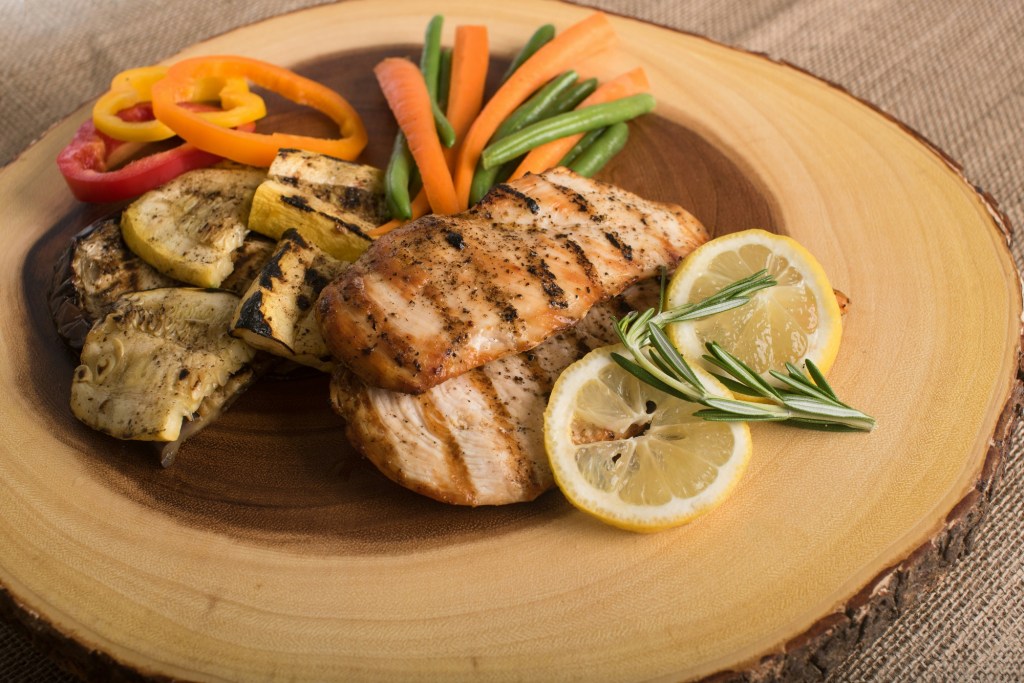
Here is your anti-aging nutrition checklist:
- Protein goal: 1.6–2.2g/kg of collagen building blocks.
- Vitamin C, zinc, copper which will increase collagen cofactors.
- Omega-3s will reduce inflammation.
- Increasing hydration and electrolytes will increase both your skin’s moisture and volume.
- Eat less sugar and consume balanced carbs.
Your Skincare List
Taking your retinoids and combining them with strength training is the strongest anti-aging duo.
Furthermore, you need to be using Sunscreen daily (that is a non-negotiable). Take your peptides and consume/apply antioxidants.
Less becomes more when your lifestyle is aligned because the basics covers everything. Glass skin comes down to nutrition, the right skincare and food instead of it being some skincare trend.
Finally, I recommend in-office treatments like lasers, microneedling, RF as being complementary modalities rather than primary. Your basics are everything!
Conclusion
Younger skin comes from having a younger body. So much of our lifestyle is responsible for how rapidly or slowly we age.
Lifting is a long-term investment in both our beauty and longevity. I see women ageing strong, confident, sculpted, and vibrantly as information increases and more time passes.
I hope that you enjoyed this blog post on How Strength Training Slows Skin Ageing, please let me know what you thought about it in the comments section below!
References:
Melov, S., Tarnopolsky, M. A., Beckman, K., Felkey, K., & Hubbard, A. (2007). Resistance exercise reverses aging in human skeletal muscle. PLoS ONE, 2(5), e465. https://doi.org/10.1371/journal.pone.0000465
Granata, C., Oliveira, R. S., Little, J. P., Renner, K., & Bishop, D. J. (2014). Mitochondrial adaptations to resistance training are linked to increased mitochondrial respiration in human skeletal muscle. Journal of Applied Physiology, 117(3), 285–295. https://doi.org/10.1152/japplphysiol.00247.2014
Dimauro, I., Scalabrin, M., Fantini, C., Anemona, L., & Caporossi, D. (2016). Resistance training and redox homeostasis: Correlation with age-associated genomic changes. Experimental Gerontology, 83, 29–36. https://doi.org/10.1016/j.exger.2016.07.010
Tucker, L. A. (2017). Physical strength training and leukocyte telomere length in U.S. adults. Preventive Medicine, 100, 145–151. https://doi.org/10.1016/j.ypmed.2017.04.012

 Taras Fit World
One Comment Add yours