Hey loves,
Today’s blog post is going to be an in depth woman’s guide to training for the body she wants at 40, 50 and 60.
In this blog post are the realities of ageing vis a vis training mixed in with practical advice that we can use when we reach our older years.
Let us start by reframing the question from “how I stop ageing?” to something more empowering like “how do I work with my biology now?”
The core idea is that aging changes the rules of the game, not the game itself. We therefore simply have to adapt to a world that isn’t quite equipped with the information we need to achieve our lifetime best physiques.
If we do face problems, it isn’t age, it’s using a 20-year-old strategy on a 40+ body. We cannot at that age expect to train like a 20 year old when our hormones, our biology and even our ability to recover has shifted so drastically.
I’ve written about optimization for bodybuilding here. Training after 40 becomes about precision, rather than restriction.
Let us create an internal environment where one cultivates the correct mindset to achieve their ideal physiques rather than solely rely on their external appearance.
We can cultivate this type of environment by understanding not the limitations but the realities of our bodies’ strengths and weaknesses at our age.
Furthermore, we can understand our own strengths and weaknesses, do we get injured easily? Are certain lifts harder than others? Be as honest as you can with yourself.
Most advice to older women is either patronizing or fear-based, it often scares them out of trying to lift weights despite all of the evidence that lifting weights can extend our lifespan and give us a healthier body.
One can aim for the stars after 40, they just need to be smart about how to train, recover and optimize their training program.
Body Image After 40
Body image shifts every decade with more emphasis on internal acceptance (one would hope so with the wisdom and maturity of experience).
Body image shifts from comparison to evaluation and from validation seeking to self-authorship. The internal starts to be paramount at the age of 40 with other mindset shifts regarding self acceptance and confidence.
Many 40 year olds remark how their confidence is at an all time high at that age, this can be a strength with your training routine.
Instead of training from a place of panic, nostalgia or self-criticism, why shouldn’t we train from a place of self-respect, curiosity or agency?
Our body image plays a large role in how we come to perceive of our training trajectories and our own physiques. Our self-perception (especially if positive) can lead to compliance and better long term results.
The Biological Reality
So what exactly happens as we get older? Check out my previous post on training after 30 (this is primarily a fat loss aimed post).
Hormonal shifts start occurring as time progresses with changes in estrogen, progesterone, testosterone and cortisol occurring.
Furthermore, changes in recovery capacity, insulin sensitivity, muscle protein synthesis and bone density also start to take place.
The body doesn’t become weaker, it becomes more honest. It gives you faster feedback.
The Real Training Shift
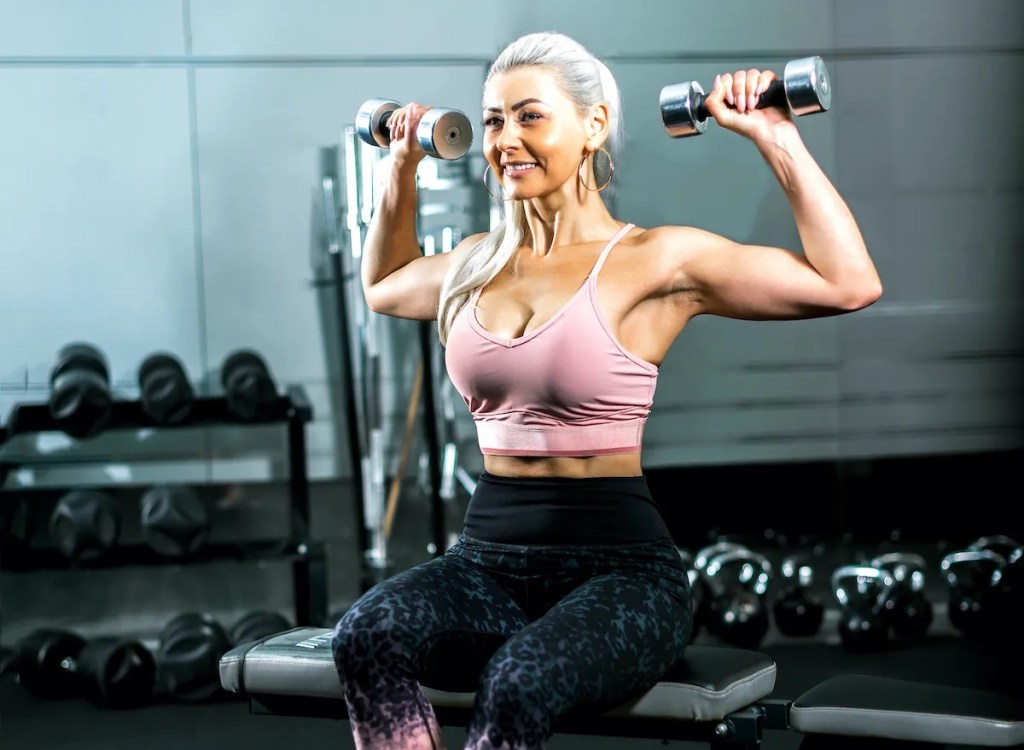
Here are our training strengths during our 20’s and 40’s.
During our 20’s, more volume, chaos and randomness works.
At 40+, the body responds to the quality of stimulus and not the quantity of suffering. Furthermore, progressive overload becomes smarter and not harder.
Junk volume also becomes counterproductive and recovery is part of the program instead of a break from it.
Strength Training as a Longevity Tool
Having muscle on is one of secrets of longevity. It is a metabolic tissue and can lead to hormonal support as well as fight against sarcopenia and osteoporosis. It is therefore an anti-aging infrastructure as well.
Muscle has structural integrity and should be respected as an ungendered and neutral anti-ageing secret weapon.
Having more muscle on also leads to better posture which leads to having a greater presence and more confidence.
Strength also leads to more independence and a greater future self.
Training therefore becomes part of our identity and not just our physical appearance.
Cardio, Fat Loss, and the Stress Equation
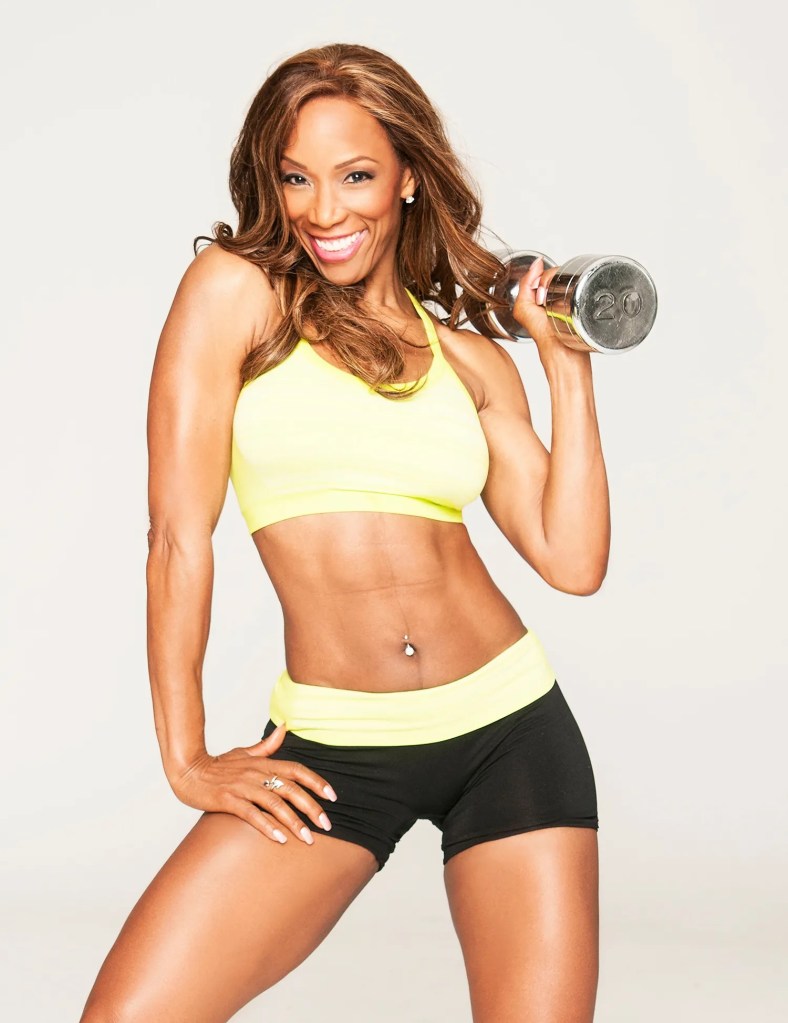
Doing more cardio often backfires after 40 as it leads to more stress, higher cortisol and less muscle on the body (our anti-ageing secret weapon). This will cause us to end up storing fat.
We therefore have to fight our feminine tendency to “do more” instead of to “do better”.
Stress starts to come into the equation as a training variable. We need to prioritize nervous system regulation and find our minimum effective dose.
Nutrition After 40
Let’s delve into the world of nutrition. Let us be armed with strategy instead of a diet-forward approach.
Firstly, protein should be a non-negotiable. It is the building block of muscle and allows us to recover optimally.
Protein is central towards having a lean physique with toned muscles instead of sagginess and being the embodiment of the skinny fat aesthetic.
Blood sugar should also remain stable along with our training and we should eat for recovery rather than punishment.
We should therefore not undereat to try to compensate for ageing barriers. This will result in the type of physique where clothes look good on us but we don’t look good naked (and who said that should be our destiny)!
Under-eating therefore becomes more damaging with age and we should aim to correct that by eating proper amounts of protein, carbs and fats.
Eating in line with our goals is a sure way to make sure that we reach our objectives and success along our fitness journeys.
Food should be a support system instead of a moral test. We should eat to supplement our healthiest most radiant selves rather than be “good” or “bad” food consumers.
It shouldn’t be about following a diet aesthetic but having a genuine physiological shift in our food, aiming for smart sustenance. Even using our intuition to guide us is fundamental at this point.
The Identity Shift
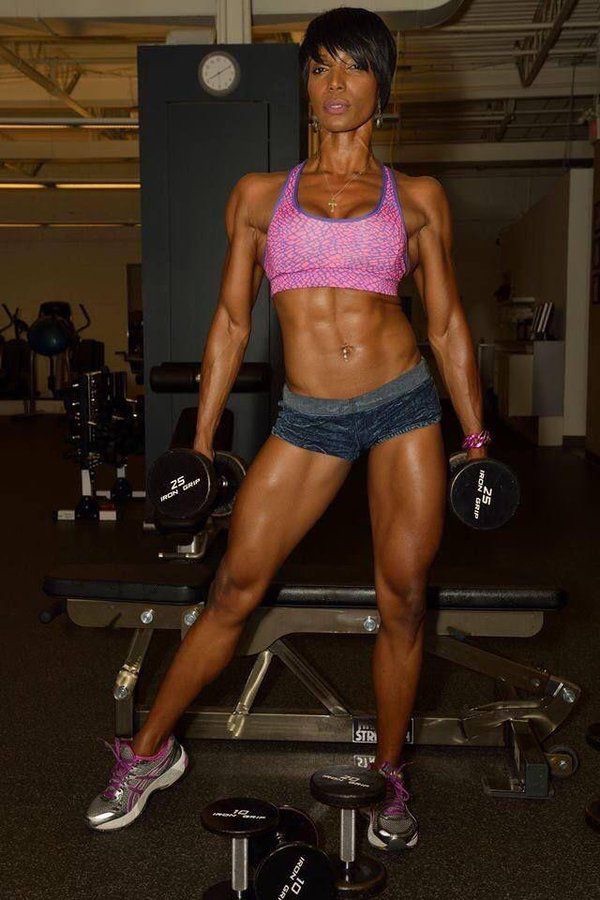
How can we alter our identity through training? How do we mature along our fitness journeys? Going from beginner to novice to advanced?
Training is one of those relationships with ourselves that we should honor.
The mature feminine athlete is who we should aim to embody: a woman so comfortable in her skin, one who understands her body and doesn’t aim to fight it.
Aging can be seen as a refinement process where we just learn to be more strategic, detail-oriented and visionary (instead of chaotic) with our training.
Contrary to contemporary discourse, the body should be seen as a living system instead of a project.
Strength can be seen as a long-term identity rather than a phase. Who do we become years into our training, who do we grow into, what traits do we embody and adopt to structure which mindset?
Hopefully we are evolving at this point and seeing that fitness isn’t a phase, it’s a journey that has its own maturation process as well.
We go from
- The Old Model: our 20’s mindset, a bit more chaotic, lacks structure and experience
- The Transitional Phase 30’s confusion, lifestyle changes are required at this point and we are adopting to a new operating system
- The Intelligent Model 40+ mastery, more experience on our plate and mastery over lifts and lifestyle habits. The best compounding effects happen the earlier one begins to train.
Youth with our training can best be understood as power without awareness. Maturity is awareness with power.
I hope that you enjoyed this blog post on A Woman’s Guide to Training for the Body She Wants at 40, 50, and 60, please let me know what you thought about it in the comments section below!

 Taras Fit World