
Guest Post Article by Mindi Lovell
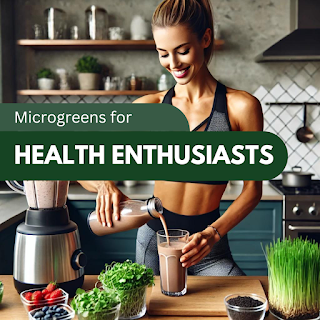
Microgreens have taken the health and wellness world by storm. These tiny plants, once considered a gourmet ingredient for upscale restaurants, are now popular among health-conscious individuals for their incredible nutritional benefits. Whether you’re a fitness enthusiast, a mindful eater, or simply someone looking to enhance the quality of your diet, microgreens offer a nutrient-dense solution. This guide will explore the nutritional powerhouse that is microgreens and highlight why they are an essential addition to any health-conscious diet. After reading this article find your backyard microgreen farmer on Microgreen Directory.
What Are Microgreens?
Microgreens are the young seedlings of vegetables and herbs, harvested just 7 to 14 days after germination, when their first leaves, known as cotyledons, have developed. They are larger than sprouts but smaller than baby greens, and this early harvesting allows them to retain high concentrations of nutrients. Their vibrant colors, delicate textures, and intense flavors make them not only visually appealing but also a functional food with immense nutritional value.

Nutritional Powerhouses
Microgreens are often referred to as nutritional powerhouses because, despite their small size, they contain significantly higher concentrations of vitamins, minerals, and antioxidants than their mature counterparts. Numerous studies have confirmed their superior nutrient profile, making them an excellent addition to any health enthusiast’s diet.
1. Rich in Essential Vitamins
Microgreens are especially rich in vitamins, particularly vitamin C, vitamin E, and vitamin K, which play crucial roles in supporting overall health.
- Vitamin C: Known for boosting the immune system and enhancing skin health, vitamin C is abundant in many microgreen varieties. A study by the U.S. Department of Agriculture (USDA) found that red cabbage microgreens, for instance, can contain up to 147 mg of vitamin C per 100 grams, making them a potent source compared to the mature cabbage leaves.
- Vitamin E: Another essential antioxidant, vitamin E protects cells from oxidative stress and is crucial for skin health. Varieties like sunflower microgreens offer high levels of vitamin E, providing 2.21 grams of protein per 100 grams.
- Vitamin K: Microgreens are also an excellent source of vitamin K, which is essential for blood clotting and bone health. Basil microgreens contain 79.6 µg of vitamin K per 100 grams, making them a fantastic choice for individuals looking to support their bone density.
2. High in Antioxidants
Microgreens are packed with antioxidants, which play a vital role in protecting the body from harmful free radicals that can cause cellular damage and contribute to chronic diseases like heart disease and cancer. Researchers have discovered that microgreens such as broccoli, cilantro, and daikon radish contain high concentrations of antioxidant compounds, including beta-carotene, lutein, and zeaxanthin.
- Beta-carotene, a precursor to vitamin A, is known for supporting eye health and improving skin quality. Broccoli microgreens, for example, are particularly rich in beta-carotene and other carotenoids, making them ideal for individuals looking to maintain good vision and glowing skin.
- Lutein and Zeaxanthin are crucial for eye health, particularly in protecting against age-related macular degeneration (AMD). These antioxidants, found in high concentrations in green daikon radish and cilantro microgreens, are valuable for anyone looking to maintain long-term eye health.
3. Excellent Source of Minerals
In addition to vitamins, microgreens are also rich in essential minerals such as calcium, iron, magnesium, and potassium, which are critical for various bodily functions, from muscle contraction to bone strength. For instance, sunflower and basil microgreens offer 15.91 mg of iron per 100 grams, which is significantly higher than what you’d find in their mature versions.
- Calcium plays a critical role in maintaining bone health, and consuming calcium-rich microgreens can help prevent osteoporosis, particularly in older adults. Sunflower microgreens provide 88 mg of calcium per 100 grams, making them a great addition to any diet.
- Potassium helps regulate blood pressure, and varieties like sunflower microgreens contain 298 mg of potassium per 100 grams, offering a nutrient-dense option for heart health.

Health Benefits for Health Enthusiasts
Microgreens provide a versatile, nutrient-rich addition to the diets of health enthusiasts. Here’s why they should be a staple for anyone serious about their health:
1. Immune System Support
The high levels of vitamin C found in microgreens like red cabbage make them an excellent choice for boosting the immune system. Regular consumption of vitamin C has been linked to reduced symptoms and duration of illnesses like the common cold, and it also plays a key role in the formation of collagen, which is essential for wound healing.
2. Improved Recovery and Muscle Growth
For fitness enthusiasts, protein-rich microgreens like sunflower are a great post-workout recovery food. With 2.21 grams of protein per 100 grams, these greens can help repair muscles and aid in overall muscle growth. Additionally, the iron content in microgreens helps support oxygen transportation to muscles, aiding recovery after intense exercise.
3. Enhanced Skin and Eye Health
The antioxidant-rich nature of microgreens, particularly their high levels of vitamin E, beta-carotene, and lutein, makes them ideal for promoting skin health and reducing signs of aging. Consuming microgreens can help protect the skin from UV radiation damage, slow the aging process, and maintain a youthful appearance.
For eye health, microgreens high in beta-carotene and lutein are essential. Regular consumption of microgreens like broccoli can help protect against age-related macular degeneration (AMD), a common cause of blindness.
4. Low-Calorie, Nutrient-Dense
For those watching their calorie intake, microgreens provide an excellent way to consume nutrient-dense foods without adding extra calories. With only 28 calories per 100 grams, varieties like basil and sunflower microgreens deliver a substantial nutrient boost without adding excess calories, making them a perfect addition to weight management plans.

Photo Credit: April Blake, Dutch Baby Pancakes with Microgreens
Versatility in the Kitchen: Multiple Ways to Use Microgreens
One of the greatest advantages of microgreens is their remarkable versatility. Microgreens offer endless possibilities for health enthusiasts who are always looking for easy, creative ways to boost their meals, like these Dutch Baby Pancakes. Unlike some other nutrient-dense foods, microgreens require no cooking—they can be added directly to dishes for an instant burst of flavor, texture, and nutrients. Here are several ways to incorporate these tiny greens into your daily diet:
1. Smoothies
Microgreens make an excellent addition to smoothies. Their mild flavors—such as the subtle sweetness of sunflower or the peppery punch of arugula—can complement fruits and vegetables without overpowering the taste. Simply add a handful of microgreens like broccoli, kale, or spinach microgreens to your morning smoothie for an extra boost of vitamins and antioxidants.
2. Garnish
As a garnish, microgreens add a visual pop and elevate the presentation of any meal. Whether you’re topping soups, scrambled eggs, avocado toast, or pasta, a sprinkle of microgreens like radish or cilantro can add both a burst of flavor and a vibrant touch of color. Their delicate texture and beautiful hues make them perfect for finishing off dishes and impressing guests.
3. Salads
Microgreens are perfect for salads, either as the main ingredient or as an addition to traditional leafy greens. Their concentrated nutrients and bold flavors make them a healthy, satisfying choice. Try creating a microgreen salad with varieties like red cabbage, amaranth, or mustard greens, and mix in other vegetables or proteins for a well-rounded meal. Microgreens can also be mixed with other greens like spinach, kale, or arugula to add diversity to your salad bowls.
4. Wraps and Sandwiches
For those looking to increase their nutrient intake with minimal effort, microgreens can be easily added to wraps, sandwiches, and burgers. Their crisp texture and fresh flavors make them an excellent replacement for lettuce or sprouts. Whether you’re preparing a veggie wrap, turkey sandwich, or even a plant-based burger, microgreens like sunflower, pea shoots, or basil can provide a refreshing contrast and a nutrient-dense bite.
5. No Cooking Required
One of the best things about microgreens is that they are ready to eat right after harvesting—no cooking required! This makes them perfect for anyone who wants to add healthy, fresh ingredients to their meals with minimal preparation. Simply wash, chop (if necessary), and toss them onto your dishes. Their quick and easy preparation makes them ideal for busy individuals looking for ways to maintain a healthy diet without spending hours in the kitchen.
Conclusion
For health enthusiasts, microgreens are more than just a trendy garnish—they are a superfood packed with essential vitamins, minerals, and antioxidants. By incorporating microgreens into your daily diet, you can support immune health, enhance recovery after exercise, improve skin and eye health, and enjoy a wide array of nutrients—all while keeping your calorie count low. Given their easy cultivation and quick harvest time, microgreens are a convenient, fresh, and powerful addition to any health-conscious diet.
References:
- FoodData Central, USDA. “Microgreens: Sunflower & Basil,” FDC ID: 437126, U.S. Department of Agriculture, Agricultural Research Service, 2019.
- Agricultural Research Service, USDA. “Specialty Greens Pack a Nutritional Punch,” Agricultural Research, January 2014.
- Penn State University. “Small but Mighty: Microgreens Go from Trendy Vegetables to Functional Food,” Penn State College of Agricultural Sciences, 2021.
- Bootstrap Farmer. “The Ultimate Microgreen Cheat Sheet,” Bootstrap Farmer, February 2023.

 Taras Fit World
Love microgreens and for the past 9 months or so they’ve been readily available at my local Kaufland. Perfect in salads and sandwiches!
LikeLiked by 1 person
Glad you love them, they are perfect for both, true! ❤️
LikeLiked by 1 person
Best article!!! I’m sharing this. Love how you gave examples on what you can doo with this and different foods that you can eat with it.
LikeLiked by 1 person
Thank you, dear! This was a guest article submitted by Mindi Lovell. I’m happy you enjoyed it! ❤️
LikeLiked by 1 person
it was really good!
LikeLiked by 1 person
Thanks for the “information!”
LikeLiked by 1 person
Anytime, glad you enjoyed it! ❤️
LikeLike