Hey loves,
Today’s blog post is an in-depth guide to bulking and cutting for women. I go over what each of the terms mean, their benefits and workouts/nutrition to achieve both!
Furthermore, you may have heard of the terms dirty vs clean bulk, what are they? I go over these terms at the end of this blog post.
Whether you are a fitness enthusiast with ambitions to reach new physique goals or a competitive athlete who is undertaking this process for a competition, this post covers the ins and outs of cutting and bulking.
What is bulking?
Bulking describes the process of putting on muscle mass. This process is done by lifting heavy weights and eating at a calorie surplus with the intent of putting on size.
Eating at a calorie surplus ensures two things:
- You put on muscle mass
- You can recover quicker in between workouts
Unfortunately, for many of us women, this process may seem daunting as it involves gaining fat as well. The fortunate part is that you will lose that fat during the cutting phase.
You can expect, if successful, to put on 1-2 pounds of muscle per month on your bulk.
What are other reasons you would you put yourself through this process and risk gaining fat?
Benefits of bulking:
- Increase in muscle mass
During the bulking process, your aim is to put on as much muscle as possible. This means that you will be training with heavy weights and applying progressive overload.
These processes will definitely lead to more muscle growth which will help both your health and aesthetics.
- Improved body composition
You can literally alter your physique according to your vision and desires. If you feel like your calves or glutes are lagging, you can strength train and eat at your calorie surplus in order to develop them.
- Increased strength and fitness
Putting on muscle leads to more strength and fitness in and out of the gym.
- Improved bone health
Bulking can strengthen bone density which reduces the risk of osteoporosis and improves our overall bone density.
- Speeds up metabolism
Bulking actually increases your resting metabolic rate which can lead to more efficient calorie burning including at rest. This will help you achieve your physique transformation goals.
- Increased confidence
Naturally, achieving your physique and strength goals is going to result in more self confidence.
- Empowerment and independence
Controlling the bulking and cutting process in general will help you feel more empowered and independent with your relationship to fitness.
How do I bulk?
Bulk with intention, looking for areas to improve and grow. Aim for overall symmetry and aestheticism and make sure you are checking in with your physique to adjust accordingly.
Beginners should bulk for 6 months however if you have more experience, then you can bulk for short and quick periods of 6-12 weeks.
In order to bulk, you have to eat at a calorie surplus and lift heavy.
Check out this guide from bodybuilding.com on how to gain weight.
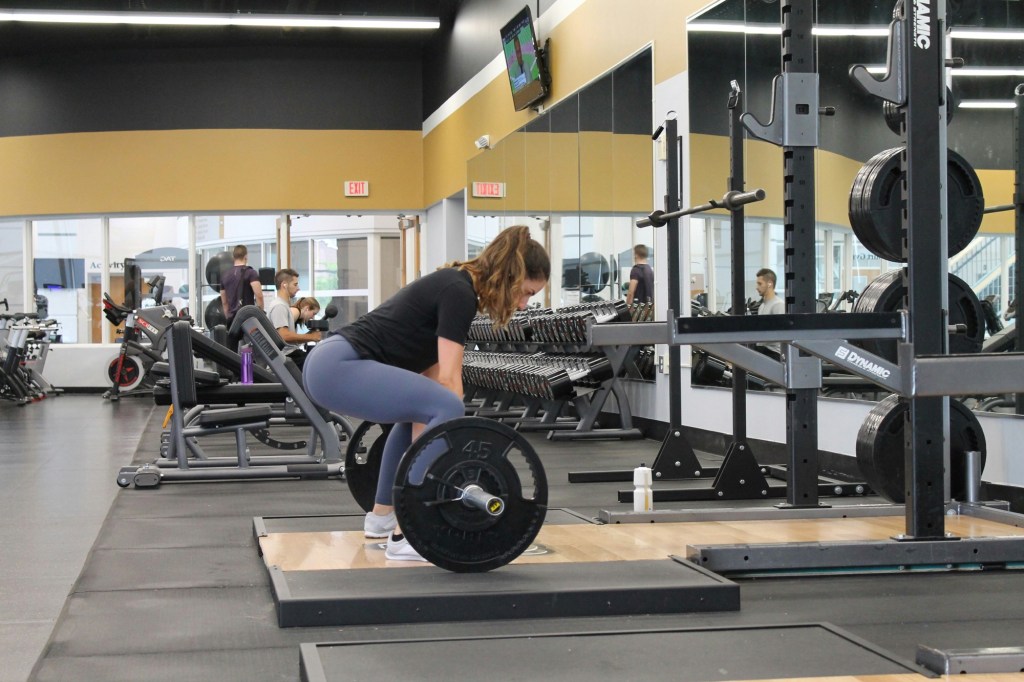
As far as lifting goes, you want to strength train 4-5 times a week. Aim to perform 5-20 good quality sets for each muscle group. Perform these sets over the 4-5 lifting days instead of all at once.
Workout plan for bulking:
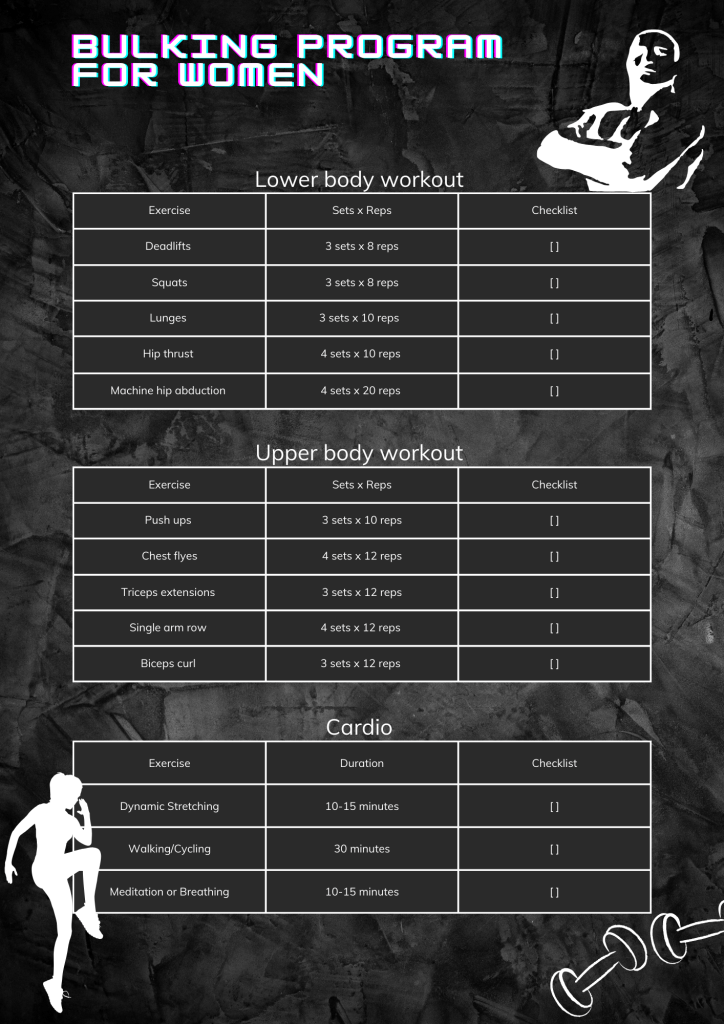
Perform the upper and lower body workouts at least 5 times a week (choose which ones you perform more frequently!)
Take two rest days to ensure that your muscles are properly recovering during sessions.
You can also perform cardio during your rest days (it’s optional and can ensure you don’t gain too much fat too quickly).
During your bulking phase, you should aim for three to five sets of eight to 12 reps. Make sure that you are combining compound and isolation lifts.
You can also lift less repetitions with higher volumes (think 5 sets of 5 squats or deadlifts).
If you want to do cardio, don’t do it more than three times a week and make sure to keep it for your non-lifting days.
If you’re going to perform HIIT, don’t go over 20 minutes, if you’re going for LISS, then don’t exceed 45 minutes.
Diet:
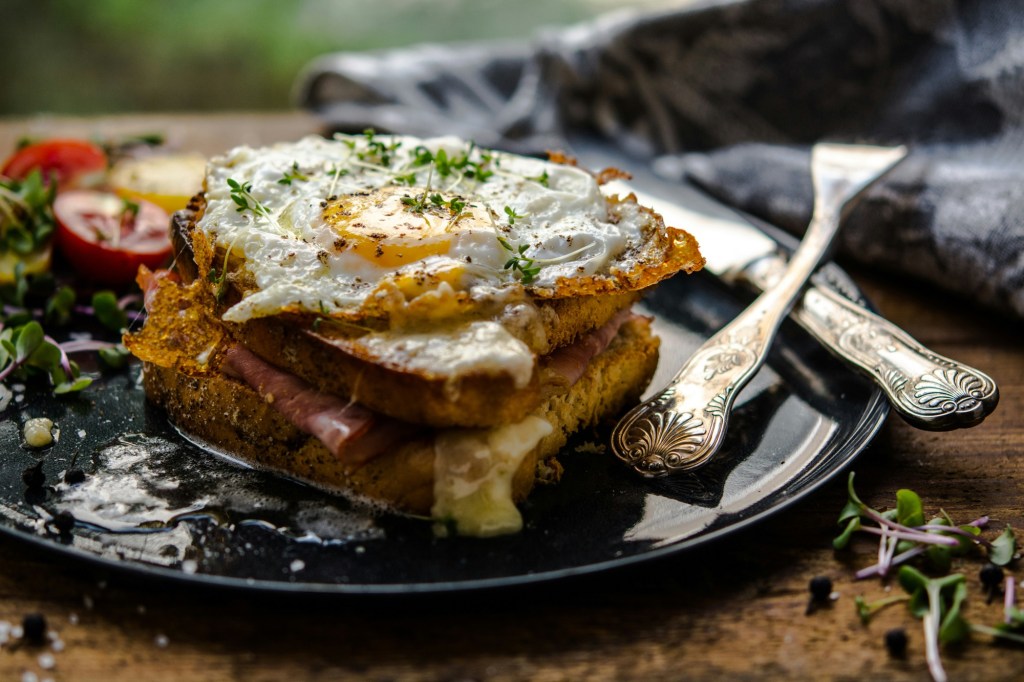
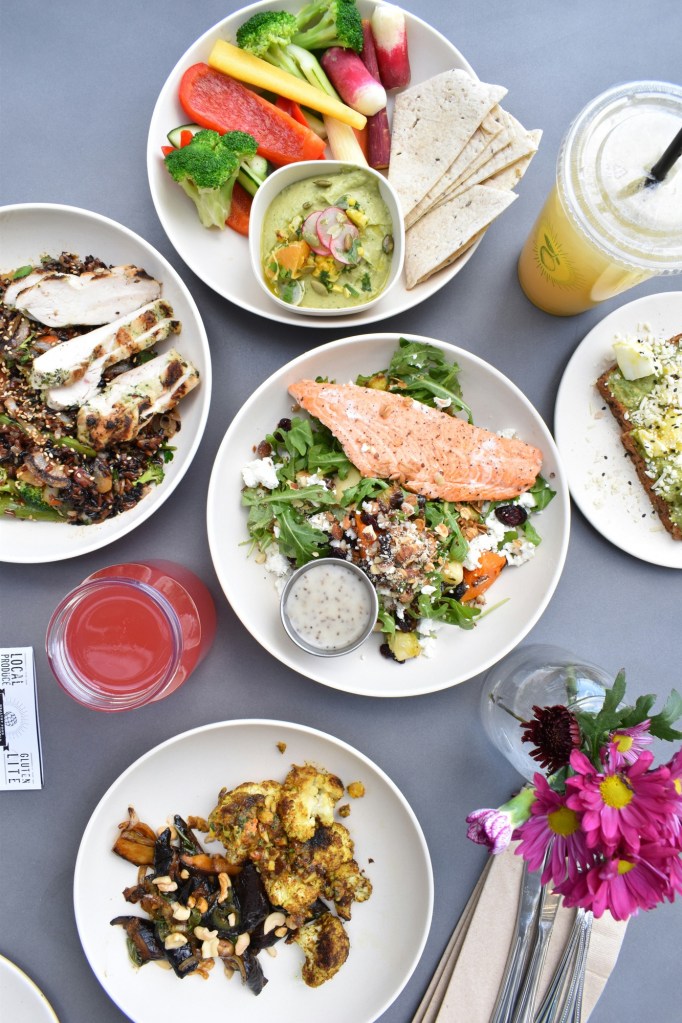
Your diet should contain a healthy amount of proteins, fats, carbs and fiber. Your diet should consist of:
- Protein: beef, chicken, turkey, fish, eggs, protein powders, tuna, yoghurts and cheeses.
- Vegetables: broccoli, spinach, tomatoes, cucumbers, avocado, kale, cabbage, mushrooms, zucchini, carrots, etc.
- Legumes: chickpeas, lentils and beans.
- Whole grains: whole grain rice, whole grain pasta, oats, rice cakes, quinoa, cereal, regular and sweet potatoes, and regular and brown rice.
- Fruits: oranges, strawberries, bananas, berries, grapefruits, pineapples, etc.
- Nuts: cashews, almonds, peanuts, walnuts, almond and peanut butter.
- Seeds: flax, chia and hemp seeds.
- Healthy fats: olive oil, fatty fish, nuts and seeds (mentioned above).
Make sure to reduce the amounts of highly processed and highly saturated foods that you consume.
Check out this calorie calculator for your daily calories and make sure to set your goal to “gain weight”.
You want to make sure that your protein consumption is left to between 2.2 grams and 3.4 grams of protein per kilogram of body weight.
In order to bulk successfully, you will need to consume 300-500 calories above your weekly maintenance calories.
Supplements:

- Whey or Vegan Protein powder
- Creatine
- BCAAs
- Caffeine
How do I avoid gaining fat?
Make sure to balance your cortisol levels so that you do not get any additional weight gain.
Make sure to be measuring yourself regularly to ensure that you are not gaining too much fat too quickly.
Take pictures of yourself as well to ensure that you are not going overboard.
Aim to gain no more than 1 pound per week so that it doesn’t get out of hand.
What to do if I’m gaining fat?
Here are some strategies to counteract some additional fat gain from bulking:
- Decrease your daily calorie intake.
- Consume maintenance level calories during your rest days.
- Increase your total workout volume to ensure more muscle gain.
- Perform more cardio.
What is cutting?
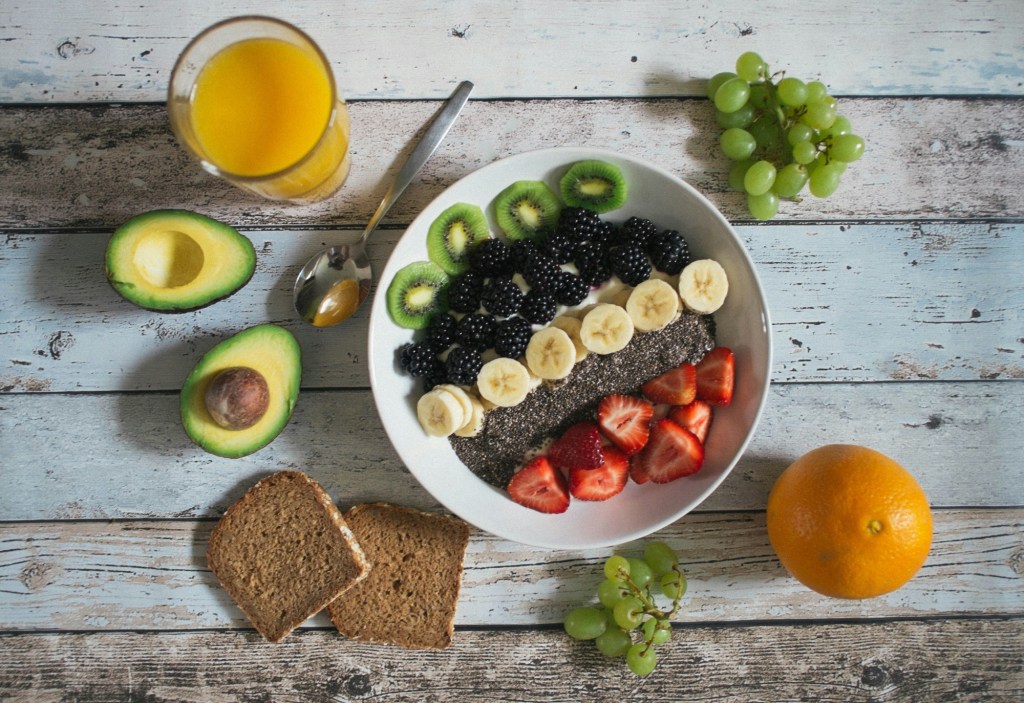
Cutting is the process of losing fat and maintaining muscle after one has gone through the bulking process.
The difference between a cut and a diet is that you want to be maintaining as much muscle as possible while losing fat during this phase.
You don’t want to be wasting away or shrinking just for the sake of it, you want to be removing the layers covering the art piece (your muscles!).
Benefits of cutting:
- Leads to fat loss
- Can increase insulin sensitivity
- Improves the appearance of muscle
- Improves blood quality
- Improves athleticism
How do I cut?
Check out this calorie calculator, make sure to set your goal to “lose weight”.
You want to be consuming 300-500 calories less than your maintenance calories.
You want to maintain muscle so it is important to carry on with your weight training and focus on eating high protein.
Aim to consume 1.4–3.1 grams of protein per kg of body weight and continue to practice resistance training.
This phase should last 2-4 months.
Workout plan for cutting:

During this phase, you should aim to perform lower volume and higher reps (think 3 sets of 20 repetitions of squats or deadlifts).
Cardio is going to be your best friend during this phase. Perform the upper and lower body workouts at least 5 times a week (choose which ones you perform more frequently!)
Perform cardio at least three times during the week for fat loss (can be done during lifting days).

Diet:
You want to be eating the following:
Protein: lean chicken, sea bass, salmon, tuna, lean cuts off beef, egg whites, low fat cheeses and yoghurts.
Legumes: lentils, chickpeas, kidney, black beans, etc.
Vegetables: broccoli, cucumbers, tomatoes, carrots, cauliflower, onions, cabbage, zucchini, celery, cabbage, etc.
Whole grains: brown pasta, brown rice, oatmeal, sweet potatoes, rice cakes.
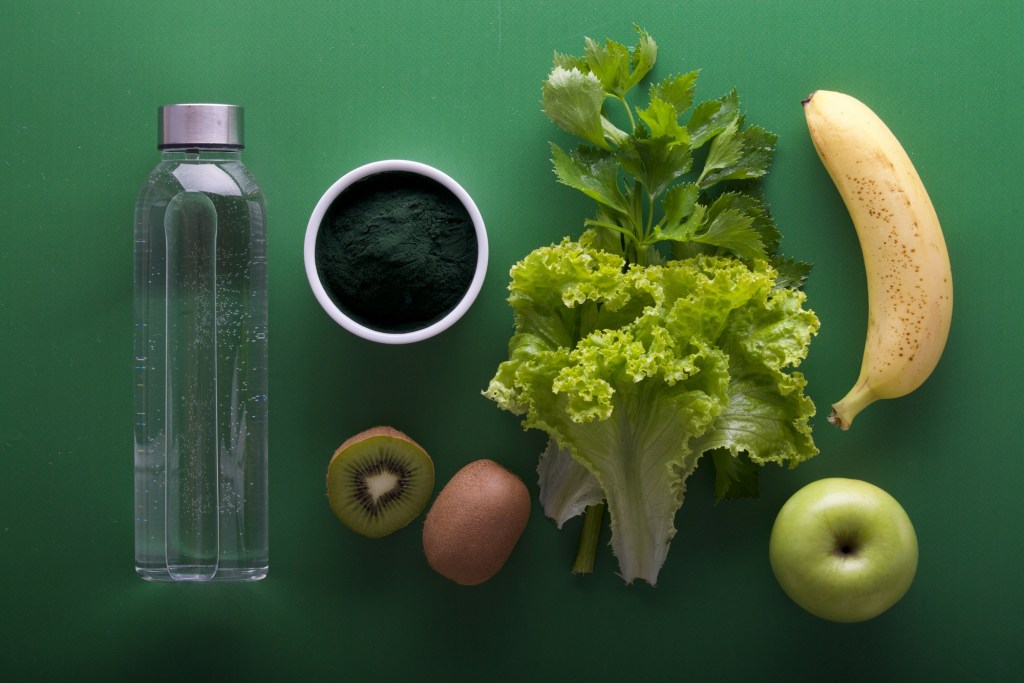
Fruits: strawberries, berries, bananas, pineapple, mango, watermelon, grapefruit, oranges, etc.
Nuts: cashew, peanut, almond, walnuts, organic nut butters.
Seeds: flax, chia and hemp seeds.
Healthy fats: nuts and seeds (listed above), avocado, olive oil.
Limit consumption of high-calorie foods/protein, do not consume foods high in sugar or processed foods.
Supplements:
Fat burner (optional)
Protein powder supplement
Preworkout or caffeine
Dirty vs clean bulk:
Clean bulking relies on the consumption of nutrient-rich and healthy foods while dirty bulking relies on the indulgence of calorie-dense junk food.
The main difference between both is the clean bulk will likely lead to less fat gain while the dirty bulk will lead to quicker results.
Clean bulk:
Clean bulking refers to putting on muscle mass via consumption of lean proteins, complex carbs, and healthy fats. An emphasis on healthy foods is made to minimize fat gain.
For a successful clean bulk, aim for 40% protein, 40% carbohydrates, and 20% fat.
Dirty bulk:

During a dirty bulk, you want to be consuming high-calorie foods to meet your calorie goals and gain muscle.
This means that no food group is off limits and you can consume high-calorie junk foods, for instance, as well.
The benefit of dirty bulking is that it makes it easier to reach your calorie goals. The main drawback of this method is that it can lead to excessive fat gain and can be unhealthy.
With both methods but the dirty bulk specifically, you want to make sure to monitor your weight gain.
Aim to consume enough healthy foods that include protein and fiber during your dirty bulk. Reaching your aesthetic goal shouldn’t prevent you from looking after your health and gut.
Conclusion:
In conclusion, bulking and cutting are two processes that bodybuilders or driven fit people use in order to carve out their best physiques.
Bulking involves gaining muscle via a calorie surplus and heavy lifting whereas cutting involves losing fat and maintaining the muscle.
Dirty bulking involves consuming a surplus of junk food whereas clean bulking involves eating large quantities of healthy foods.
I hope that you enjoyed this in-depth guide to bulking and cutting for women, please let me know what you thought about it in the comments section below!
Sources:
https://fitbod.me/blog/female-bulking/
https://www.healthline.com/nutrition/bulking-vs-cutting
https://www.hotbot.com/articles/bulking-101-a-comprehensive-guide-to-building-muscle-mass/
https://lipsticklifters.com/articles/bulking-for-women/
https://lipsticklifters.com/articles/bulking-and-cutting-for-women/

 Taras Fit World
One Comment Add yours