Hey loves,
Imagine someone training hard but seeing no results, this person is frustrated with the arduous process of fat loss, their lack of strength gains and ultimately, the depletion of their energy for zero results.
What if fitness isn’t just about workouts or diet but about working with your body’s natural hormonal rhythm instead of against it?
In this blog post, you will learn how to sculpt your hormones to maximize energy, fat loss, muscle growth, and aesthetics naturally.
We are going to cover circadian rhythms, cortisol, testosterone/estrogen balance and finally, insulin sensitivity.
Understanding Hormones 101
What are some of the key hormones for witness?
Cortisol

Cortisol is the stress/fat-storage hormone. It is important to reduce levels of this hormone as it can lead to skin issues like acne and fat gain.
You can reduce cortisol through breathing, mindfulness, exercising and any other stress-reducing techniques.
Insulin
Insulin regulates blood sugar and fat storage, it is an important metabolism regulator ensuring that we maintain a healthy and stable weight.
Testosterone & Estrogen

These male and female specific hormones are responsible for muscle building and fat distribution. Men possess more testosterone than women thereby allowing them to build more muscle.
Women possess more estrogen than their male counterparts which ensures that they have that female curvy body distributions (aka fat in their breast, hips and thighs).
Growth Hormone
Growth hormone is responsible for the processes of tissue repair and fat metabolism.
Thyroid hormones are known as metabolism regulators. Having an under or active thyroid can truly damage and disrupt the most simple metabolic processes like digestion and weight loss or maintenance.

Why do our hormones matter?
Hormonal imbalances sabotage our workouts, recovery, and physique even if our diet and training is otherwise perfect.
I have personal training clients that unknowingly sabotage their hormones via working long shifts at work, having late-night meals (and binges), as well as overtraining and therefore under recovering.
Circadian Rhythms and the Body Clock
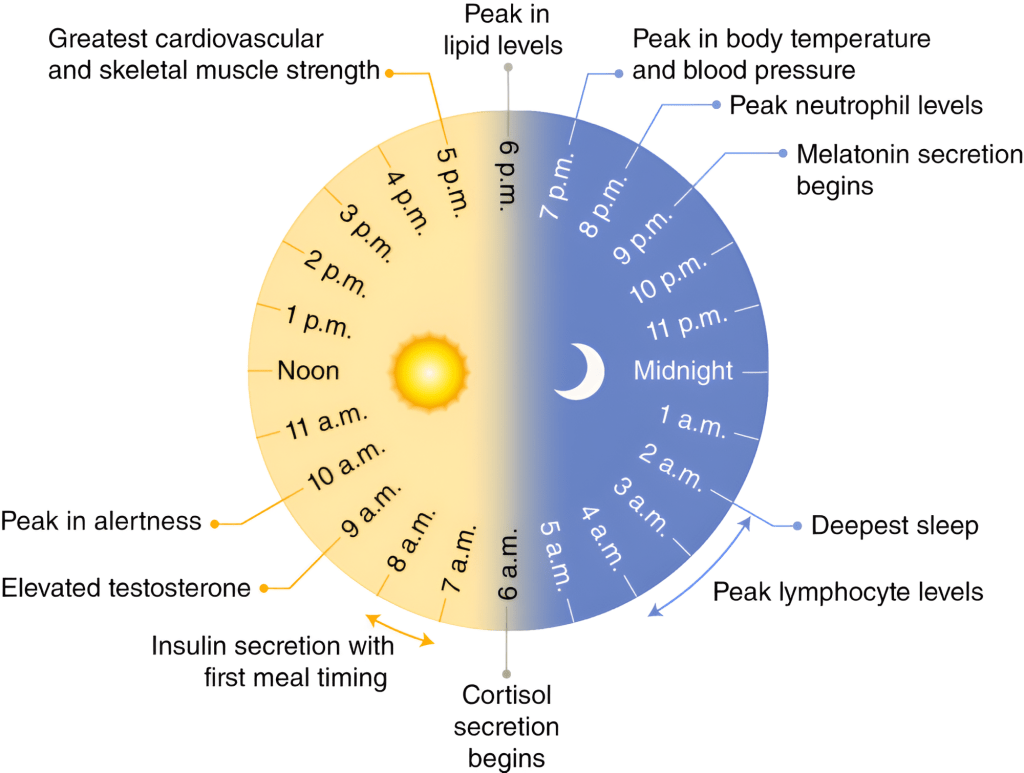
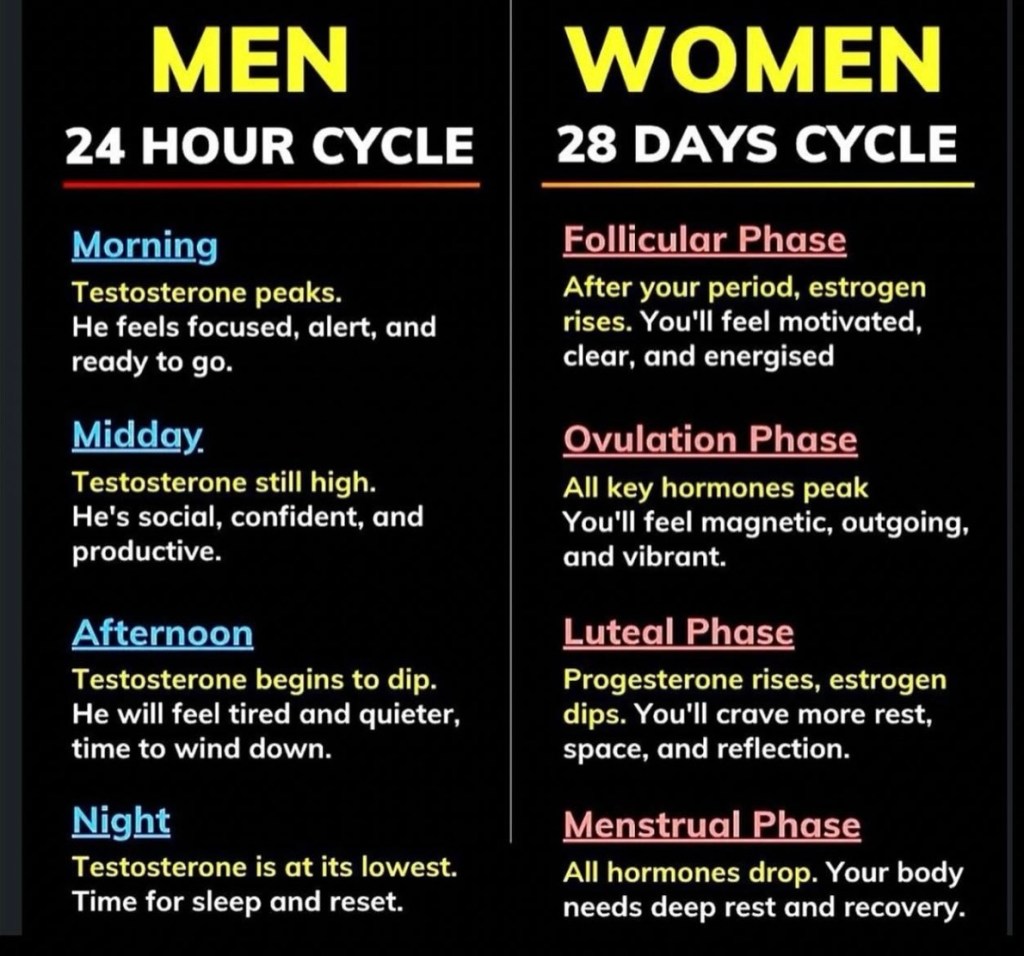
Our hormone levels fluctuate naturally over the day and night cycle. When we wake up in the morning, our cortisol peaks which is an ideal time for us to be focused or to perform any high-intensity training.
For men, the morning is the time during the day when they have maximum level of testosterone and cortisol, both of these peak and dip throughout the day.
During the evening, our melatonin rises which is better for rest, recovery, and growth hormone secretion.
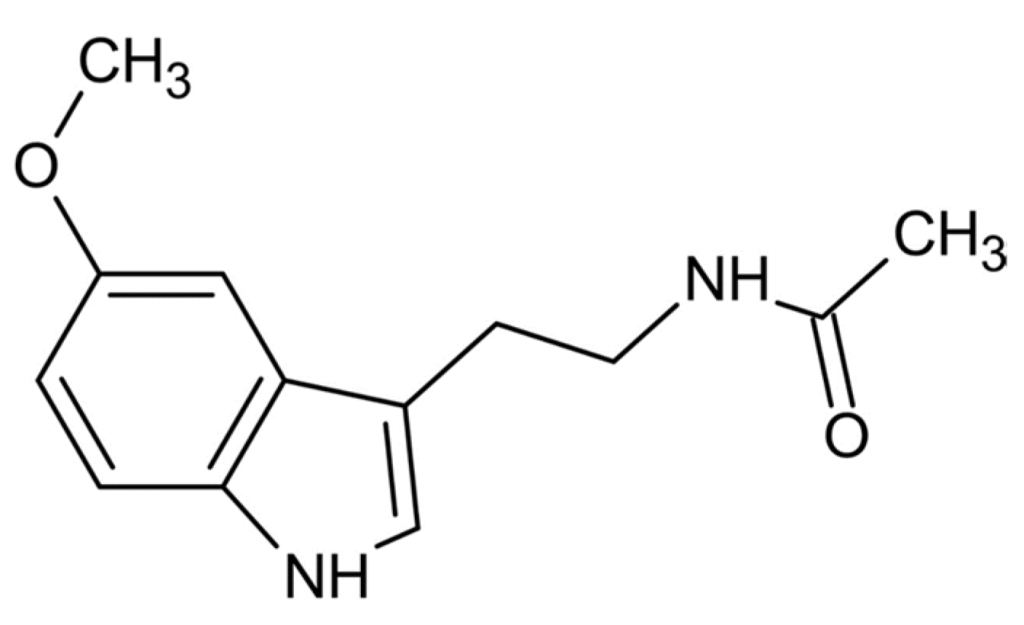
Melatonin is naturally produced in our bodies but many adults rely on the supplement to fall asleep as a natural aid for insomnia or sleep troubles.
Insulin sensitivity is highest in the morning, this is optimal nutrient timing. The majority of people do skip breakfast on average and this works against their insulin levels (responsible for metabolic processes, mood and even cognition level).
Furthermore, processes like fasting that trigger autophagy, fat loss or even for spiritual processes do not work with our hormonal timeline.
Being aware of this does help us deal with how these processes counteract and sometimes negatively affect our mood, etc.
We should therefore time our meals according to our hormonal highs and lows. Furthermore, we should adjust our training schedule for hormone optimization.
Ultimately, balancing out our sleep and having proper nighttime hygiene can truly help keep our hormones balanced.
Nutrition for Hormonal Sculpting
Here are some macronutrient strategies that we can follow:
Optimize our protein timing for muscle protein synthesis. For instance, consuming protein 30 minutes to 1 hour after our workout is optimal to ensure its delivery into our muscle repair process.
Carb timing is also fundamental for insulin control. For instance, eating carbs 1-2 hours before or after our workout is optimal to replenish our glycogen storages and improve our insulin sensitivity.

Furthermore, as mentioned earlier, our insulin sensitivity is higher in the morning to midday so this is optimal timing to consume them!
Pair your carbs with protein, fiber, or fat. Finally, make sure to lighten your carb consumption in the evening.
Cholesterol is the building block for steroid hormones (such as testosterone or estrogen). Here are good fats to consume for hormonal balance:
- Monounsaturated Fats (MUFA)
These include:
- Olive oil
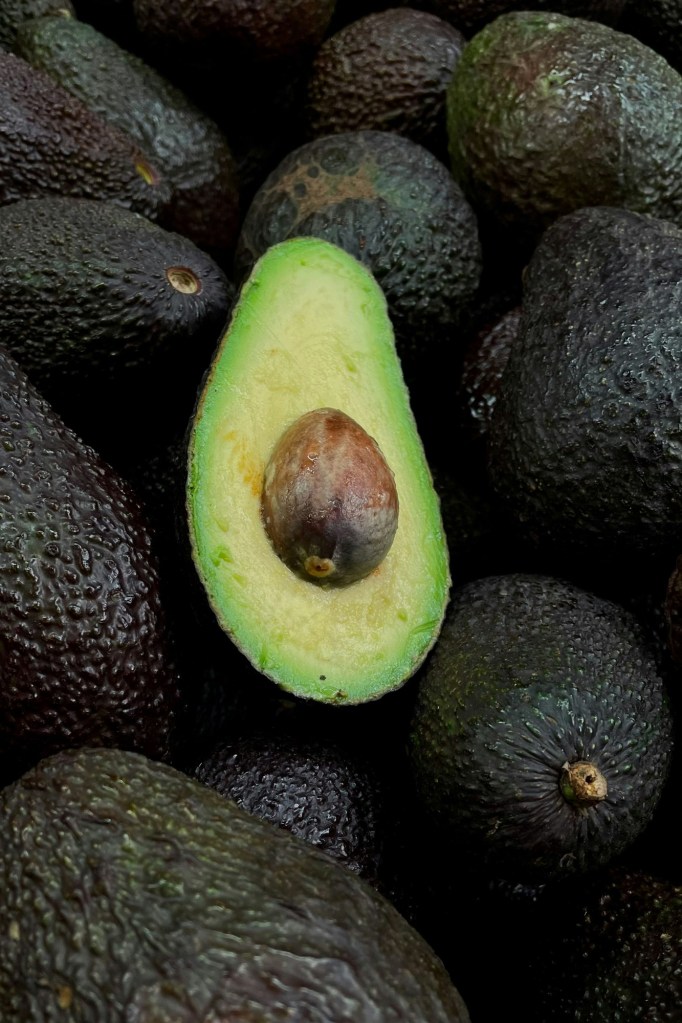
- Avocado
- Nuts (almonds, cashews, macadamia)
- Nut butters
- Healthy fats for testosterone & estrogen balance
Make sure to align your meals with your circadian insulin sensitivity.
Intermittent fasting (the process of fasting for several hours and having a feeding window) lowers insulin while promoting fat burning.
This fasting method also improves metabolic flexibility. It may raise cortisol temporarily, so balancing fasting with sleep, nutrition, and stress management is key.
I know that when I fast and train in that state, my cortisol levels are all over the place and I feel so stressed and high-energy.
While I mostly hate that feeling, I’ve coming to appreciate the effects of autophagy on an detox level as well as an anti-ageing one.
Training to Boost Hormones Naturally
Here are a few ways to boost your hormone naturally:
1) Engage in Regular Strength Training: This lowers cortisol, improves insulin sensitivity, boosts estrogen/testosterone while improving estrogen and progesterone levels in women.
2) Avoid Overtraining: This one is hard for gym addicts like myself but overtraining can literally kill gains. Chronic stress spikes cortisol which results in fat gain and muscle loss.
3) Personalize Your Programming: Align your training volume/intensity with recovery cycles. For women, train according to your menstrual cycles.
Stress, Recovery, and Hormonal Harmony
I cannot stress (no pun intended) this enough, high cortisol levels must be avoided. Chronic stress leads to fat storage which can disrupt your sleep and lower testosterone levels in men (an undesirable process which can be avoided).
Here are a few recovery techniques that your hormones will thank you for:
- Optimize your sleep: aim for 7-9 hours. By getting enough sleep, you will prevent mood swings and fatigue the next day as well.
- Meditation and breath work: this is amazing for restabilizing the body’s energetic centers and lowering cortisol (aka stress) levels.

- Lifestyle Hacks: you must avoid blue lights (from screens), have a consistent bedtime and shift your mindset towards optimism and health.
Your recovery can account for 80% of your results so definitely invest in it as it will yield the type of results you deserve!
Women’s Hormones: Cycle-Smart Training
A 2021 systematic review published in Sports Medicine found that strength gains may be optimized when resistance training is aligned with the follicular phase, when estrogen is higher and recovery is faster (Thompson et al., Sports Medicine, 2021).
How to leverage the menstrual cycle (follicular vs luteal training)
1. Understanding the Two Main Phases

- Follicular Phase (Day 1–14): Starts with menstruation and extends to ovulation. Estrogen rises, peaking mid‑phase; basal body temperature dips slightly
- Luteal Phase (Day 15–28): After ovulation, progesterone dominates, estrogen dips, and body temperature stays elevated .

2. Why Timing Your Training Matters
Enhanced Gains in the Follicular Phase
A landmark study on leg-press strength found:
- Training nine times during the follicular phase led to greater strength and muscle diameter gains than training mainly in the luteal phase (Harvard T.H. Chan School of Public Health; SpringerPlus; Academia.edu; BPB; SpringerLink; Sonar).
- Microscopic markers like muscle fiber size and nuclei-to-fiber ratio improved more during follicular-focused routines (SpringerLink; SpringerPlus; Sonar):

Mixed Evidence, But Promising Trends
More recent reviews still show promising but not conclusive evidence that follicular-based resistance training may be superior for muscle strength and mass (SpringerLink; BISP-Surf).
3. Charting Training Guidelines
1) Follicular
Hormones:
High estrogen, low progesterone
Training Focus:
Strength & HIIT
Why It Works:
Estrogen boosts protein synthesis & recovery (Wikipedia; Norfolk Tissue Therapy; Stronger by Science)
2) Ovulation
Hormones:
Estrogen + Testosterone peak
Training Focus:
Speed, explosive drills
Why It Works
Ideal for power & quick bursts
3) Follicular
Hormones:
Increase in Estrogen, low progesterone
Training Focus:
Strength & HIIT
Why It Works:
Estrogen boosts protein synthesis & recovery
(Wikipedia; Norfolk Tissue Therapy; Stronger by Science)
4) Ovulation
Hormones:
Estrogen + Testosterone peak
Training Focus:
Speed, explosive drills

Why It Works:
Ideal for power & quick bursts
5) Luteal
Hormones:
Increase in Progesterone, moderate estrogen
Training Focus:
Recovery, mobility, endurance, core
Why It Works:
Better suited to lower-impact sessions

- Explain Menstrual Cycle Phases: Follicular vs luteal, estrogen vs progesterone effects
- Training Adjustments:
- Strength focus in high-estrogen phase
- Recovery, mobility, lighter training during luteal phase
- Nutrition Tweaks: Managing cravings, supporting energy
- Empowerment Angle: Women can use their natural rhythm to supercharge results instead of fighting it
Putting It All Together: The Hormonal Blueprint
Hormone-Optimized Lifestyle Blueprint
Here is your new blueprint to follow for a hormone-optimized lifestyle:
Training & Movement:
4 days of strength training (compound lifts to boost testosterone and growth hormone)
2 days of cardio (steady-state + one HIIT for insulin sensitivity and fat metabolism)
1 day of mobility or yoga (to regulate cortisol and support estrogen/progesterone balance).
Make sure to avoid overtraining to keep cortisol in check.
Nutrition & Timing:
For optimal hormonal health and function, center your meals around lean protein, omega-3 fats, colorful vegetables, and complex carbs.
Consume most of your carbs post-training or at dinner to stabilize insulin and promote better sleep.
Finally, make sure to add hormone-friendly extras like seeds, nuts, and cruciferous vegetables.
Hydration is key so make sure to drink water consistently.
Lifestyle Pillars:
Sleep: aim to get 7–9 hours nightly on a consistent schedule in a dark/cool room.
Stress: you can incorporate daily micro-practices such as breathing, journaling, short walks to prevent cortisol spikes.
Light Exposure: try to get natural light within 20 minutes of waking to anchor circadian rhythm.
Social Connection: prioritize positive relationships as oxytocin (aka the bonding hormone) lowers stress hormones.
Micro-Habits: Stack small, repeatable actions (for instance: hydration before coffee, short walks after meals, gratitude journaling) for long-term hormonal stability.
Conclusion
Hormones are your secret leverage in a world that bombards us with health and fitness information every day. It is up to us to be aware of our body’s processes in order to create a lifestyle of value and effectiveness.
I ask you my readers to experiment with timing, training, and nutrition for your hormonal advantage
Fitness mastery is less about fighting biology and more about working with it.
I hope that you enjoy this blog post on The Hidden Role of Hormones in Fitness, please let me know what you thought about it in the comments section below!

 Taras Fit World
Very good information. Thanks for sharing .
LikeLiked by 1 person
Anytime! Glad you liked it 😊
LikeLiked by 1 person