
Hey loves,
With the global rise of women-only gyms, we can begin to ask ourselves, are these gyms safe havens or limiting bubbles?
From boutique women-only fitness studios in Beirut to mega mixed gyms in New York, women are redefining their relationship with public fitness spaces.
Women’s only gyms denotes gyms made for and used by women only without men. The benefits of these gyms are psychological with women enjoying the freedom of not having their bodies surveilled (via the male gaze) or being discriminated against or harassed.
There have been so many instances I know of my female friends or even clients being harassed by men, one man got kicked out of the gym for how he was deliberately provoking and harassing women.
This is not a man-hating post, men are awesome and super valuable but some men unfortunately pose a risk for women and women-only gyms offer refuge from potential harm and attack.
Women-only vs. mixed gyms isn’t just about treadmills and dumbbells, it’s about empowerment, safety, culture, and how we negotiate gender in modern society.
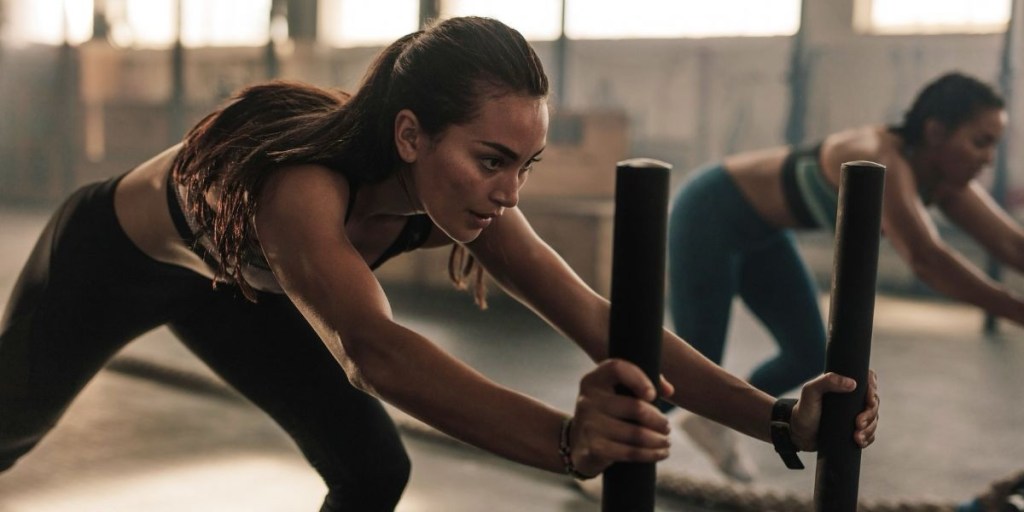
The History of Women in Gyms
Did you know that women were barred from fitness spaces until the 20th century? During the 80s, aerobics as a fitness movement started to boom.
Spandex, Jane Fonda and aerobic group classes were the craze and suddenly everybody wanted to work up a sweat.
Weightlifting then become popular in the 90’s with Arnold Schwarzenegger being in the public spotlight and gyms appealing to a more mainstream audience.
Today, there is a rise of boutique fitness and “safe spaces” are often marketed by gyms to promote the safety of women.
In the Middle East, women-only gyms are offered as a training option with a culture that is based on modesty and sexual repression (as well as psychological safety but that is not the only reason).
Why Women-Only Gyms Exist

Why do these gyms exist? Mainly to help women against issues like sexual harassment, to help them escape the male gaze and intimidation from men in general.
Modesty is also paramount in certain regions like the Middle East and South Asia. These gyms then become a way to enforce cultural and religious norms and values.
I’ve been to women-only gyms, they’re awesome. I felt so safe and free. Yes, I do enjoy being around the male gaze, surely, as any heterosexual woman would. That freedom is everything, though.
I can lift heavy, sweat, and fail without judgment. I don’t have that inner chatter about “looking masculine” or have to cater to an ego because I can out lift some men (I’ve been training for 10 years).
Women truly just want to go somewhere to train. With delicate subjects like objectification, male gaze and sexual harassment, women-only gyms do solve that problem.

The Case for Mixed Gyms

Mixed gyms give flavor, they add touch and spice to life. I love having a gym crush. I hate scaring him off when I lift heavy but I do enjoy having eye candy around me (yes, I shamelessly objectify men while I long to avoid this process myself).
I’m kidding, it’s not that deep and it’s mostly just stealing a few gazes. Mixed gyms offer more machines, more variety and sometimes even better facilities.
Women training alongside men challenges stereotypes and actually pushes women to lift heavier. When I see some men effortlessly squat 109 kilos and carry a conversation, that strength is infectious.

Men are also less jealous, catty and can be good to talk to as friends and networks.
Despite these points, studies on motivation and performance in mixed vs. women-only training environments suggest that women often report greater comfort, focus, and adherence to exercise routines in women-only spaces compared to mixed-gender settings (Smith & Jones, 2021).
This means that one highly motivated dopamine-fueled gym session alongside men doesn’t help women the way feeling safe does.
Triggering psychological safety leads to consistency and consistency is very important towards reaching your goals.
Consistency drives more success than one really brutal or sexually empowered gym session, so far women-only gyms are winning the debate.
The Hidden Downsides
Women-Only Gyms can unintentionally reinforce gender segregation, limit equipment and cost gyms more due to boutique size.
Nobody enjoys the feeling of inequality or sexism, these gyms reinforce that message to our subconscious.
In my training experience at one of these gyms, my man-hating was kind of activated and while feeling those feelings did soothe some of my previous experiences of harassment, I don’t think it’s a heathy view.
Mixed gyms however can be a breeding ground for harassment, intimidation, equipment hoarding, and lack of inclusivity in programming.
I have experienced all of the above and those experiences sucked!
In essence, neither model is perfect and both have trade-offs.
The Psychological Dimension

The male gaze is a feminist concept that denotes the idea of surveillance and how a man can objectify a woman with his gaze. The gaze is both a means of objectification and asserting dominance.
The male gaze’s presence in fitness spaces has a huge impact on female performance often harming it in some way.
Some women end up losing their confidence, they shrink, they perform and they lose their hunger for strength and empowerment.
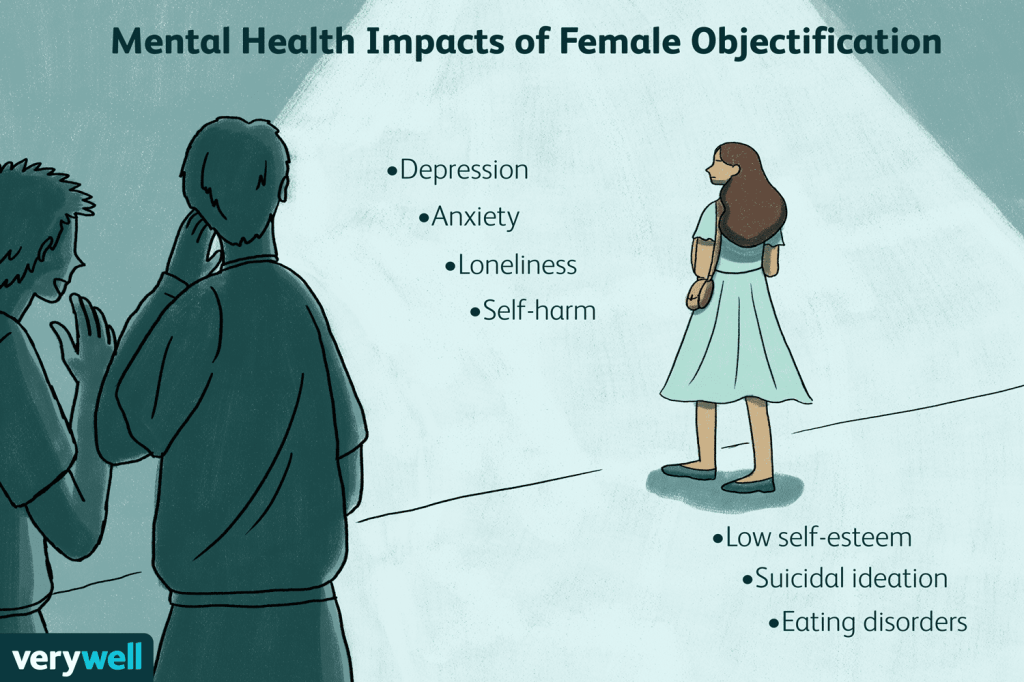
Gymtimidation is a mental health affliction, a subset of anxiety whereby one starts to feel anxious at the gym. They worry about negative judgment from others mainly and that they’ll look stupid.
Gymtimidation mainly affects beginners and women however men are not immune from having it. Studies indicate that 55% of gym goers experience gymtimidation at some point.
Many women drop out of gyms because of gymtimidation, sexual harassment or discrimination.
Interestingly, one’s gym choice can reflect their self-image with archetypes like the warrior, nurturer, rebel and professional categorizing one’s choice of training space.
Psychologically, safe spaces allow more risk-taking (with less emotions like shame and judgment driving our choices) but mixed spaces also foster resilience.
Culture, Geography, and Class
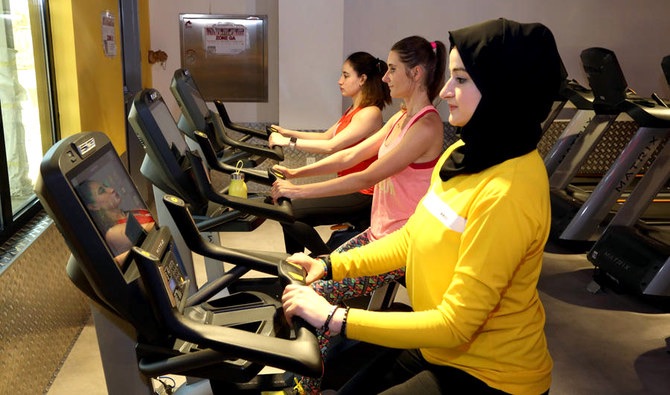
In certain parts of the Middle East, women-only gyms act as a cultural necessity due to Islamic values and the influence of modesty culture.
These gyms are not forced upon women, they do however exist as an option for women to go to in order to practice their faith, uphold their values and honor their faith.
In Western cities and more liberal parts of the world, women-only gyms are often positioned as boutique, feminist, or luxury.
The Curves franchise, for instance, with over 100 locations in the United States is a women’s only training facility. It isn’t luxury or feminist by any means but it does foster a sense of safety for women.
While some women-only gyms can be more expensive thereby limiting accessibility, gyms like Curves can be more affordable and feasible for others.
Over the past decade, there has been a global trend of hybrid spaces. These spaces are women-only areas inside mixed gyms.
The Future of Gyms
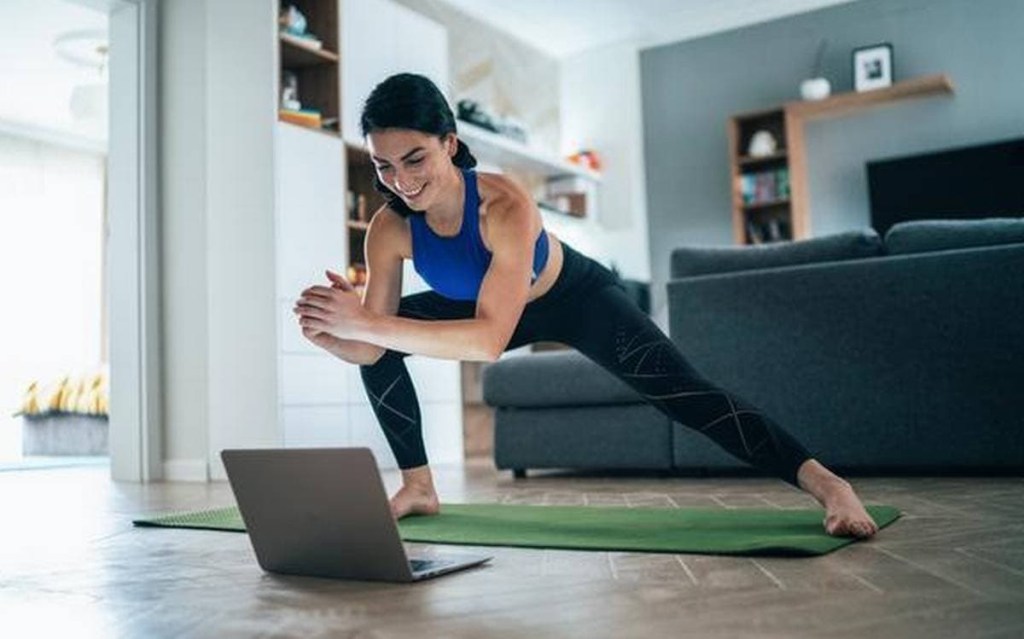
As time passes and gyms become more common and popular, there will probably continue to be a rise in hybrid solutions with women-only sections in mega gyms.
Virtual and online training will keep rising as the ultimate safe space. Furthermore, feminist gym design will be on the forefronts of architects’ minds and this can truly alter human psychology.
I predict that the rise of choice-based fitness will take precedent rather than one model over the other. A pluralistic model that can satisfy both sides of the female psyche.
Conclusion
It’s not about women-only vs. mixed gyms, this debate is truly about choice, empowerment, and reshaping public space for equity.
Women deserve fitness environments that liberate, instead of limit themselves and their potential. Whether that is all-female, mixed, or hybrid is subject to continuous assessment and observation.
The best gym is the one where a woman doesn’t have to think twice about being fully herself.
Where she can express her faculties with joy uninterrupted by dominance dynamics which are in no way a true measure of strength.
I hope that you enjoyed this blog post on The Gym Debate: Women-Only Spaces vs. Mixed Environments, please let me know what you thought about it in the comments section below!

 Taras Fit World