

Hey loves,
People who live past 100 do not follow workout programs. They do not periodize. They do not train for aesthetics or personal records.
And yet, many of them remain mobile, independent, and mentally sharp far longer than the average person half their age.
This isn’t luck. And it isn’t genetics alone.
Centenarians move in a way that quietly preserves the systems that matter most: muscle, balance, joints, metabolism, and the nervous system.
Their “exercise” looks unremarkable, even boring, by modern standards. But it is precisely this simplicity that makes it effective.
Longevity is not built in extremes. It is built in habits that the body can sustain for decades.
They Move Every Day
Centenarians rarely have structured workout sessions. Instead, they accumulate movement naturally throughout the day.
They walk to get places, they stand often, they cook, clean, garden, and carry what they need.
This constant low-level activity keeps blood sugar stable, joints lubricated, and circulation efficient. It also avoids the stress spikes associated with intense, sporadic exercise.
What matters here is not intensity, but frequency.
Longevity lesson: Daily movement is more protective than occasional hard workouts.
They Walk More Than They Train
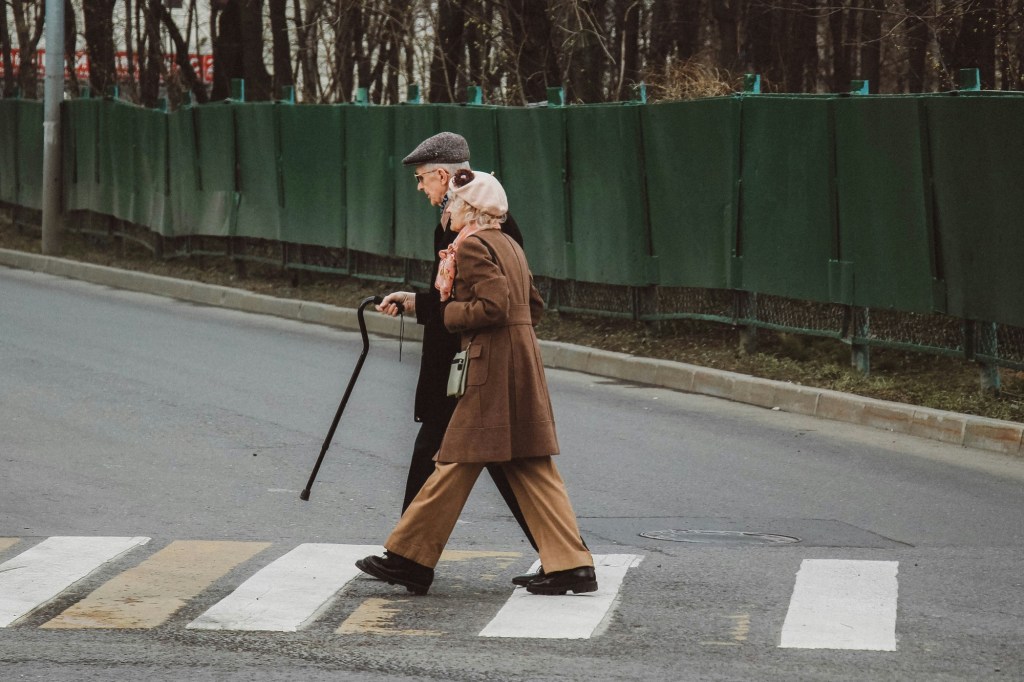
Walking is the most consistent form of movement among long-lived populations.
It improves cardiovascular health without overwhelming the nervous system. It supports fat metabolism, reduces inflammation, and preserves joint health.
Most importantly, it is repeatable: day after day, year after year.
Centenarians walk not to burn calories, but because their lives require it.
Longevity lesson: Walking is not a warm-up. It is a foundation.
They Maintain Muscle Without Chasing Size
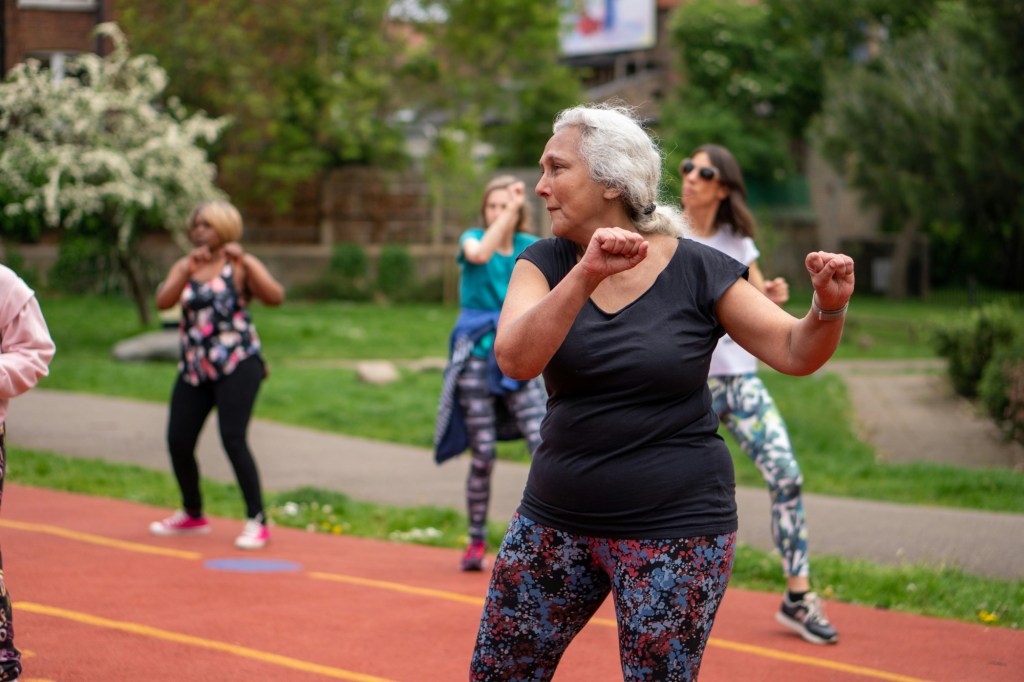
Centenarians are not muscular by modern fitness standards, but they are rarely weak.
They preserve enough muscle to:
- stand up easily
- carry groceries
- climb stairs
- prevent falls
Muscle is a key predictor of lifespan because it regulates glucose, supports bone density, and maintains independence. But maximal muscle mass is not required to gain these benefits.
Longevity lesson: Strength is about capability, not appearance.
They Use Their Legs Constantly
Lower-body strength is one of the strongest predictors of survival and independence in older age.
Centenarians naturally train their legs by:
- sitting and standing without assistance
- walking uphill or on uneven terrain
- climbing stairs
- squatting rather than bending
These movements preserve hip function, knee stability, and balance which are the very systems most likely to fail with age.
Longevity lesson: If your legs stay strong, you stay independent.
They Protect Balance Without Thinking About It
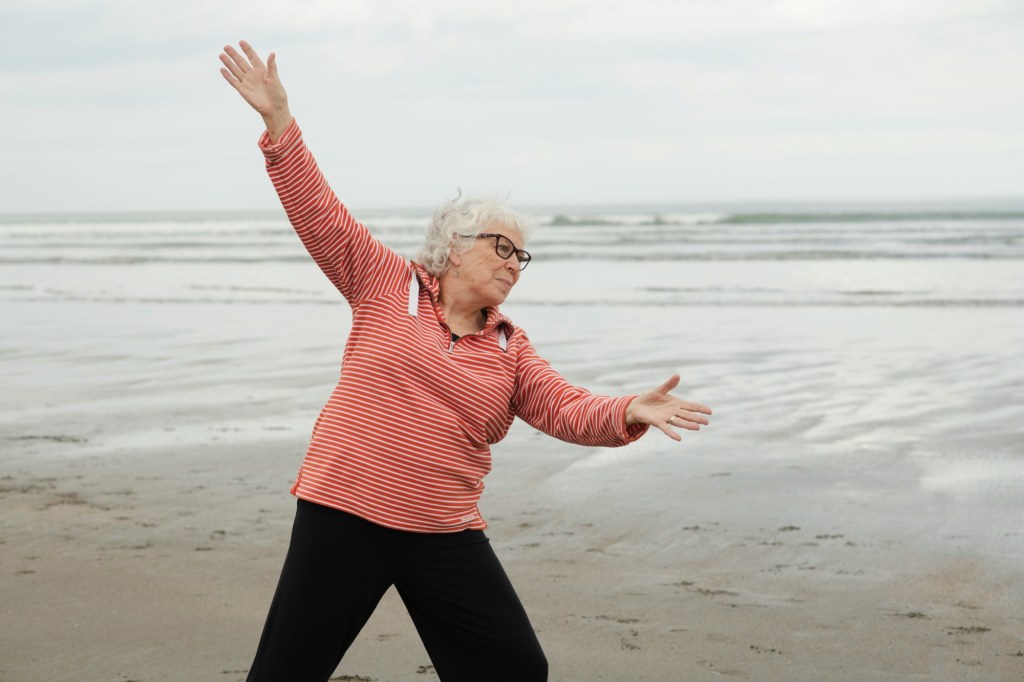
Falls are one of the leading causes of disability and death in older adults.
Centenarians reduce this risk not through formal balance training, but through daily challenges:
- walking on uneven ground
- standing on one leg while dressing
- moving deliberately rather than rushing
Balance is a skill, and skills deteriorate when unused.
Longevity lesson: Balance is not optional. It is survival.
They Avoid Chronic Overtraining
One of the most overlooked aspects of longevity is nervous system health.
Centenarians stop when tired, they rest without guilt and they nap.
They do not live in a constant state of physiological stress. This preserves hormonal health, immune function, and cardiovascular resilience.
Modern fitness culture often glorifies exhaustion. Long-lived bodies quietly avoid it.
Longevity lesson: Recovery is part of the training, not the absence of it.
They Train for Life, Not Performance
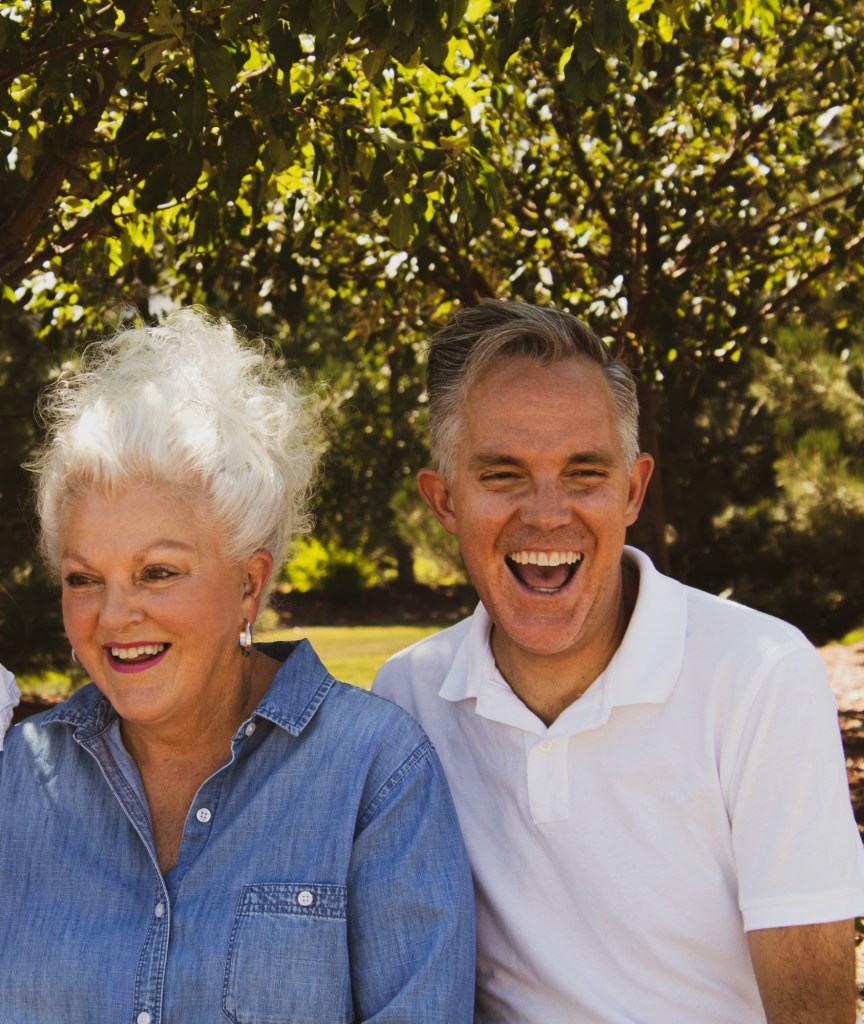
Centenarians are not training for speed, aesthetics, or comparison. They are training for function.
Their goals are simple:
- carry their own weight
- move without pain
- stay useful
- remain autonomous
This orientation changes everything. It prioritizes sustainability over optimization, and capability over ego.
Longevity lesson: Train for the life you want to live, not the body you want to display.
What This Looks Like in a Modern Context
Translated into modern terms, centenarian-style fitness looks like this:
- Walking daily
- Strength training 2–3 times per week with moderate loads
- Prioritizing legs, hips, and grip
- Light balance work most days
- Avoiding maximal effort as a default
It is simple. It is repeatable. And it works.
The Quiet Truth About Longevity
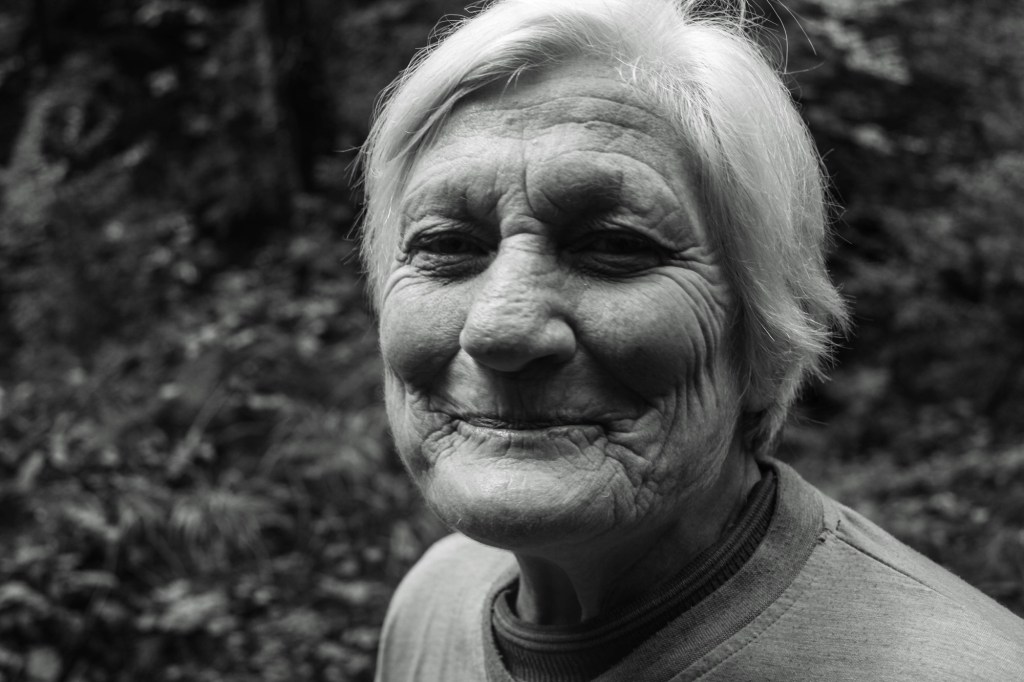
Longevity training is not dramatic. It does not announce itself. It does not chase validation.
It looks like a body that still responds, a nervous system that can downshift and movement patterns that age slowly.
The people who live the longest are not trying to look young.
They are trying to stay capable.
And that, more than any trend or protocol, is the real secret.
I hope that you enjoyed this blog post on How Centenarians Stay Fit: The Type of Exercise That Leads to Longevity, please let me know what you thought about it in the comments section below!

 Taras Fit World
awesome article
LikeLiked by 1 person
Thank you 😊
LikeLike