The Hidden Science Behind Strength, Hormones, and Long-Term Health
The Plateau Nobody Talks About
Hey loves,
You work out five times a week. You’re eating clean. But your body’s not changing or worse, it’s breaking down.
It’s not your fault. You’ve been sold the wrong fitness blueprint. My mission with this blog is to re-educate women on fitness and arm them with truth, science and love for their bodies.
Fitness literature for decades has been largely written for and by men, leaving women as marginal or echoes in a space that is vastly important for their health and longevity.
WHERE WE GOT IT WRONG: THE LEGACY OF BRO FITNESS
Mainstream fitness was built by and for men, it includes themes and concepts around linear progression, high-intensity burnout culture, fasted cardio and clean eating extremes.
Processes like fasted cardio for instance wreck havoc on the female nervous system. Women also do not produce large amounts of testosterone in the morning that a discipline “daily” linear progression becomes as easy for her to achieve compared to a man.
Hormonal Cycles
Women’s hormonal systems operate on monthly rhythms and not just 24-hour cycles like men’s. Estrogen and progesterone rise and fall across four phases of the menstrual cycle, impacting energy, recovery, inflammation, and even how we build muscle.
A 2021 systematic review published in Sports Medicine found that strength gains may be optimized when resistance training is aligned with the follicular phase, when estrogen is higher and recovery is faster (Thompson et al., Sports Medicine, 2021).
Ignoring these rhythms and pushing through them leads to burnout. And it’s not just “feeling tired” The deeper damage is hormonal.
Clean eating and fasting

Clean eating helps women but this modality does not emphasizes nourishment which women’s bodies need for fertility and reproduction processes to thrive.
Excessive cardio, under-eating (or clean eating), and non-stop HIIT elevate cortisol, the body’s main stress hormone. While cortisol isn’t “bad,” chronically high levels trigger a hormonal domino effect.
Research from the Journal of Clinical Endocrinology & Metabolism (2015) shows that elevated cortisol disrupts thyroid function, slowing metabolism and decreasing T3 hormone levels which is the very hormones women need to burn fat and feel energized (Chrousos, Journal of Clinical Endocrinology & Metabolism, 2015).
Add under-eating to the mix, and the body enters conservation mode: holding onto fat, slowing recovery, and turning down libido, motivation, and immune function.
When stress is high and nourishment is low, many women experience cycle disruptions, from irregular periods to full-blown amenorrhea (loss of menstruation).
The International Journal of Sports Medicine confirms that energy deficiency and training stress are primary causes of menstrual dysfunction in active women which can compromise bone density, fertility, and long-term health (Mountjoy et al., British Journal of Sports Medicine, 2018).
Losing your period isn’t a badge of honor. It’s a warning sign that your body no longer feels safe enough to reproduce, train, or grow.
Women Have 10–15 Times Less Testosterone Than Men
Our hormonal physiology also differs to men with testosterone not being as available in our bodies. So much of bodybuilding literature and basic level hypertrophy logic is centered around the notion of testosterone availability.
Testosterone is a key driver of muscle growth, recovery, and fat burning. Men naturally have 10 to 15x more of it, which is why they can lift heavy, sleep five hours, eat a protein bar, and still make gains.
A 2020 review in Frontiers in Endocrinology highlights how female muscle protein synthesis rates are lower post-exercise, due in part to testosterone levels and menstrual phase (Haikonen et al., Frontiers in Endocrinology, 2020).
This doesn’t mean that women can’t build muscle. It means our approach needs to be smarter, more supportive, and hormonally aligned. We cannot simply train harder to get better results.
Testosterone is dominant in men’s bodies, it is their ‘doing’ hormone which gives them the drive and urge to go ‘hunt’. While not all men possess high levels of this hormone, they all naturally possess it more than women do.
This makes us less programmed to hunt and to hustle beyond what our bodies and minds call us to. When most of the fitness literature revolves around us having the same drives, we do not.
When women follow training models that ignore biology, the results aren’t “lack of willpower”. The results are:
- Slowed metabolism
- Disrupted thyroid
- Halted cycles
- Stalled muscle growth
- Rising body fat despite more effort
It’s not a failure. It’s a mismatch.
And now that we know better, we can also train better.
THE SCIENCE OF TRAINING LIKE A WOMAN

How does a woman’s body truly work? What intricacies does it possess that can work in our favor?
Firstly, we possess estrogen. Estrogen is the “female hormone”, a powerful chemical messenger that impacts everything from our menstrual cycles to our mood, skin, bones, brains, and metabolism.
Estrogen also plays a large part in strength and injury prevention. It supports muscle function, protects connective tissues and strengthens our bones.
It is basically one of our super hormones, safeguarding us from injury and propelling us to keep hitting PR’s and reaching our fitness goals.
How to leverage the menstrual cycle (follicular vs luteal training)
1. Understanding the Two Main Phases

- Follicular Phase (Day 1–14): Starts with menstruation and extends to ovulation. Estrogen rises, peaking mid‑phase; basal body temperature dips slightly
- Luteal Phase (Day 15–28): After ovulation, progesterone dominates, estrogen dips, and body temperature stays elevated .

2. Why Timing Your Training Matters
Enhanced Gains in the Follicular Phase
A landmark study on leg-press strength found:
- Training nine times during the follicular phase led to greater strength and muscle diameter gains than training mainly in the luteal phase (Harvard T.H. Chan School of Public Health; SpringerPlus; Academia.edu; BPB; SpringerLink; Sonar).
- Microscopic markers like muscle fiber size and nuclei-to-fiber ratio improved more during follicular-focused routines (SpringerLink; SpringerPlus; Sonar):

Mixed Evidence, But Promising Trends
More recent reviews still show promising but not conclusive evidence that follicular-based resistance training may be superior for muscle strength and mass (SpringerLink; BISP-Surf).
3. Charting Training Guidelines
1) Follicular
Hormones:
High estrogen, low progesterone
Training Focus:
Strength & HIIT
Why It Works:
Estrogen boosts protein synthesis & recovery (Wikipedia; Norfolk Tissue Therapy; Stronger by Science)
2) Ovulation
Hormones:
Estrogen + Testosterone peak
Training Focus:
Speed, explosive drills
Why It Works
Ideal for power & quick bursts
3) Follicular
Hormones:
Increase in Estrogen, low progesterone
Training Focus:
Strength & HIIT
Why It Works:
Estrogen boosts protein synthesis & recovery
(Wikipedia; Norfolk Tissue Therapy; Stronger by Science)
4) Ovulation
Hormones:
Estrogen + Testosterone peak
Training Focus:
Speed, explosive drills

Why It Works:
Ideal for power & quick bursts
5) Luteal
Hormones:
Increase in Progesterone, moderate estrogen
Training Focus:
Recovery, mobility, endurance, core
Why It Works:
Better suited to lower-impact sessions

4. Supporting Research & Ongoing Trials
- IMPACT Trial (2023–24): A major clinical study in well-trained women comparing follicular, luteal, and regular training modalities.
- The results of this trial are expected to shape future recommendations
(Harvard T.H. Chan School of Public Health; Trials Journal; DiVA Portal) - Professional Endorsement: Coaches like Emma Hayes (England Lionesses) now design training around menstrual cycles, and emerging apps like FitrWoman help athletes sync workouts accordingly (Time; The Guardian; The Daily Telegraph).
5. Practical Tips
- Track Your Cycle: Use charting, basal body temperature, or cycle apps to identify key phases.
- Phase-Sync Your Workouts:
- Follicular/Ovulation: Push for heavy lifts, explosive exercises, and HIIT.
- Luteal: Ease into mobility, core stabilization, steady cardio. Allow extra recovery.
- Stay Flexible: Every woman’s cycle and symptoms vary. The important thing is that you listen to your bodies as well as the science (Harvard T.H. Chan School of Public Health, TIME, Stronger by Science).
The saddest part of the narrative against women lifting weights or rather the worlds’ indifference towards women at the gym for several decades is how powerful muscle is for longevity and health.
Muscle is our hormonal armor especially in perimenopause and beyond. It safeguards against diseases like diabetes and osteoporosis. It also prevents sarcopenia which is age-related muscle loss.
A body without muscle in its older years looks very saggy. Below are images of women who strength train in their 70’s and beyond, take a look at the visual difference alone that muscle makes:
Joan Macdonald
Meet Joan MacDonald (@trainwithjoan), from Ontario, Canada, who took up strength training when she was 70. She trains five days a week and has her program divided into upper-body, legs, glutes, and hamstring workouts.
She is working her way up to performing unassisted pull-ups. Her body is a living testament to the aesthetic power that having muscle has on.
Look at how young her body looks compared to a hypothetical other woman her age with wrinkles and saggy, loose skin.
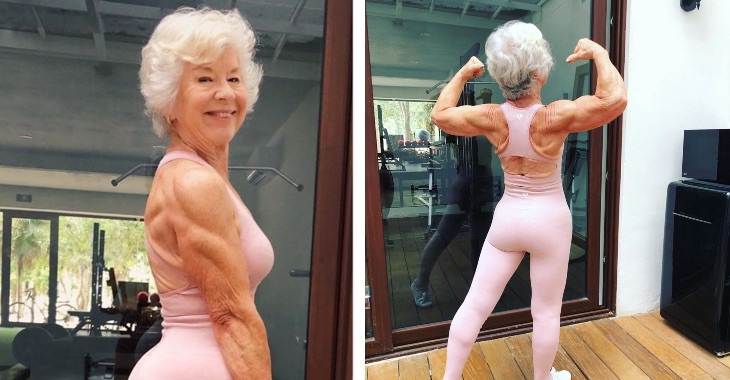
Joan’s body instead is lifted, tight and attractive, her body fat levels are ideal as well, debunking the false belief many people have about ageing and gaining weight (especially in post menopausal women).
Take a look at another woman in her elderly years that embodies strength, youth and fitness via the process of bodybuilding.
Ernestine Shepherd

Ernestine Shepherd began her fitness journey at 56, turning heartbreak into purpose after losing her sister to a sudden aneurysm.
Refusing to let grief or age define her, she transformed herself through discipline and daily 10-mile runs, eventually earning the title of the world’s oldest female bodybuilder.
Beyond her own achievements, she dedicated her days to training senior citizens for free, proving strength is a service, not a trophy.
In a society that sidelines women as they age, Ernestine didn’t just challenge the narrative- she rewrote it.
WHAT NEEDS TO CHANGE TODAY
As women, we need to stop doing excessive amounts of cardio, random HIIT workouts and obsessing over calories.
Instead, we need to start prioritizing progressive overload, compound lifts, nourishment (vs being full) and recovery.
Let us, instead focus on using smart split routines, going through lifting phases and integrating intuitive deloads (aka rest days/week).
We should also emphasize sleep, take care of our iron levels, and have adequate protein intake. We need to emphasize respect for the body instead of going to war against it.
HOW TO FALL IN LOVE WITH REAL TRAINING

The best parts of lifting weights are hitting a PR, the feeling of having mind-body clarity and visually transforming the body.
Check out my journey to 100kg on the squat, it was truly incredible just working towards something, having a support system and just seeing myself get stronger.
A feeling close to that is seeing visual changes, check out my glutes transformation journey here. The best part here was seeing my glutes develop and quite ironically, not fitting into my jeans quite as easily.
Slow gains, processes that require time, challenges where one is tested are truly where both character and lasting changes are made.
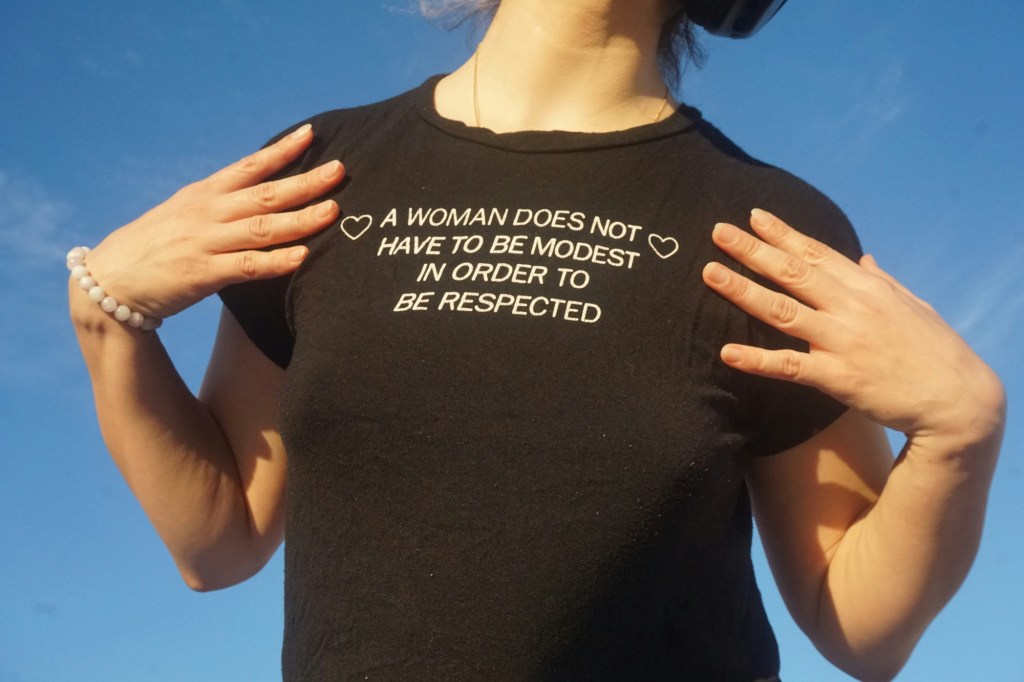
Real strength is rebellion against diet culture, fear, and fragility. It is what I speak about as the antidote to toxic femininity, sexism and the oppression women face in the Middle East (provided they don’t have Stockholm Syndrome and are in deep denial of it).
BUILDING A STRONG WOMAN FOR LIFE
Look to the future for the steps of today. You want to focus on improving your bone health, metabolic stability and functional strength.
The strongest women at 50 started lifting at 30 so it truly never is too late. As you saw in the above examples, it never is too late to begin and your body can develop at any point in time.
I will say that the sooner you start, the easier it will be to develop muscles.
Fit is not just being shredded or having big glutes, it is not being skinny either but being resilient, powerful, joyful.
CONCLUSION: THE NEW ERA OF Female Fitness
You’ve been training hard. Now it’s time to train right. By understanding our unique hormonal physiology and playing to our fertility/reproductive strengths, we can truly start to thrive and embody the highest level of strength that our bodies can attain.
As women, we should aim to be educated and critical consumers of fitness content, by unlearning our biases and aiming to understand fitness from a female-friendly perspective, we can truly become our best selves.
The strongest thing you can do for your body is to finally listen to it.
I hope that you enjoyed this blog post on Why Most Women Are Training Wrong And How to Fix It Before It’s Too Late, please let me know what you thought about it in the comments section below!
Sources:
Training and Menstrual Cycle Phases
Thompson et al. (2021). “The Effects of the Menstrual Cycle on Exercise Performance in Eumenorrheic Women: A Systematic Review and Meta-analysis.”
Journal: Sports Medicine
Link: https://link.springer.com/article/10.1007/s40279-021-01435-4
Cortisol’s Impact on Thyroid Function
Chrousos, G. P. (2015). “Stress and Disorders of the Stress System.”
Journal: The Journal of Clinical Endocrinology & Metabolism
Link: https://academic.oup.com/jcem/article/100/7/2611/2836086
EvidenceBasedMuscle. (n.d.). Home. Retrieved from https://evidencebasedmuscle.com
Europe PMC. (n.d.). Europe PubMed Central. Retrieved from https://europepmc.org
Menstrual Dysfunction in Female Athletes
Mountjoy et al. (2018). “Relative Energy Deficiency in Sport (RED-S).”
Journal: International Journal of Sport Nutrition and Exercise Metabolism / International Journal of Sports Medicine
Link: https://www.thieme-connect.de/products/ejournals/html/10.1055/s-0043-124922
Lower Muscle Protein Synthesis in Women
Haikonen et al. (2020). “Sex Differences in Muscle Protein Synthesis After Resistance Exercise.”
Journal: Frontiers in Endocrinology
Link: https://www.frontiersin.org/articles/10.3389/fendo.2020.00365/full
Stronger By Science. (n.d.). Home. Retrieved from https://www.strongerbyscience.com
The Guardian. (n.d.). News and opinion from The Guardian. Retrieved from https://www.theguardian.com
Wikipedia. (n.d.). Main Page. Retrieved from https://en.wikipedia.org

 Taras Fit World
what an interesting and helpful read. I didn’t know a lot of this but I am grateful to have the knowledge now. Thanks!
LikeLiked by 1 person
Anytime, I’m glad you found it helpful! Thank you 😊
LikeLiked by 1 person
Very interesting especially as I am now in menopause and my body has changed and training needs to change too! What worked last year, is not working now!
LikeLiked by 1 person
Well said, Lisa! Hormones play a fundamental part in our wellness and fitness journeys! I wish you good adaptability and hope your journey is successful 😊
LikeLiked by 1 person