Hey loves,
Today’s blog post is about carbohydrates, specifically, how they are not the enemy and can be consumed strategically for optimal physique development.
Our culture is obsessed with demonizing carbs. Lebanon, in particular, has placed a war on bread, pasta and even rice.
People here don’t consume it for dinner, they hate themselves when consuming it and even critique those who eat bread.
Carbs became the enemy in our society and has become our modern day nutritional scapegoat. Of course, diet culture, the very industry that profits off of our fear thrives on simple villains.
We come to moralize food as either good or bad and categorize them in our minds as such. Carbs are actually our body’s preferred fuel. I’m sure a shaming Lebanese or American aunt would be stunned to hear it but it’s true.
Ultimately, fat loss is not about eliminating carbs, but learning how to deploy them intelligently.
What Carbohydrates Actually Are
Carbohydrates come in three forms:
Simple, complex and fiber.
Simple Carbohydrates
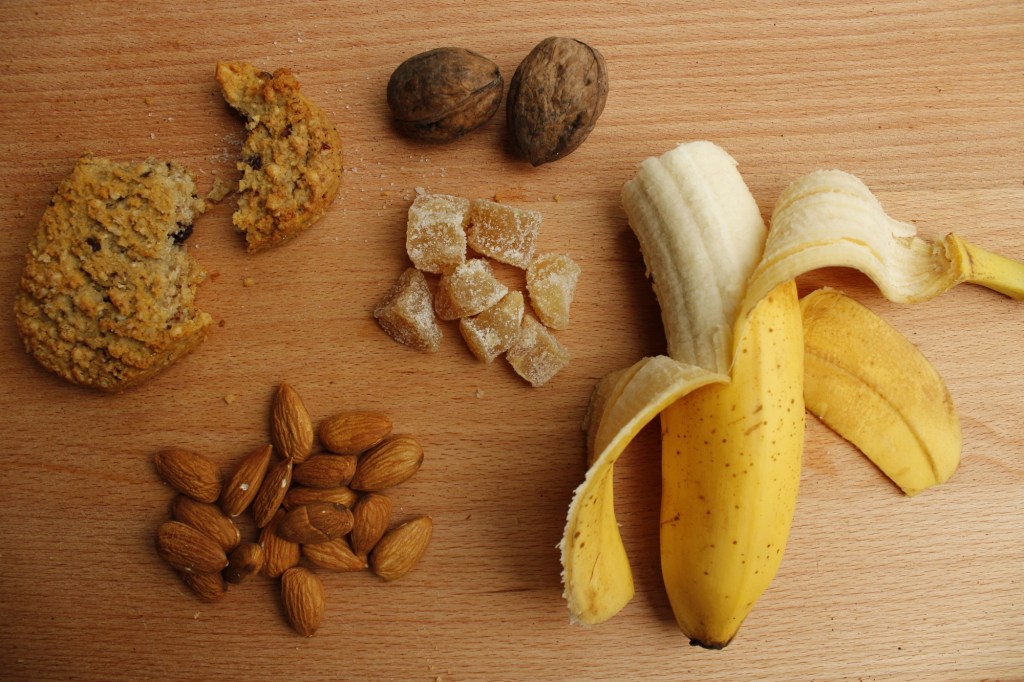
Simple carbohydrates are the body’s fastest form of energy. They digest quickly, enter the bloodstream fast, and are immediately available to fuel the brain, muscles, and nervous system.
They’re not “bad” rather they’re immediate.
Fruit, honey, white rice, dark chocolate and sugar are simple carbs.
Their value depends entirely on context: they work best when the body actually needs fast fuel, like around training or during recovery.
The issue was never simple carbs.
It was using them in a body that’s chronically stressed and under-recovered.
Complex Carbohydrates
Complex carbohydrates provide slow, steady energy. They take longer to digest, keep you fuller for longer, and create more stable blood sugar.
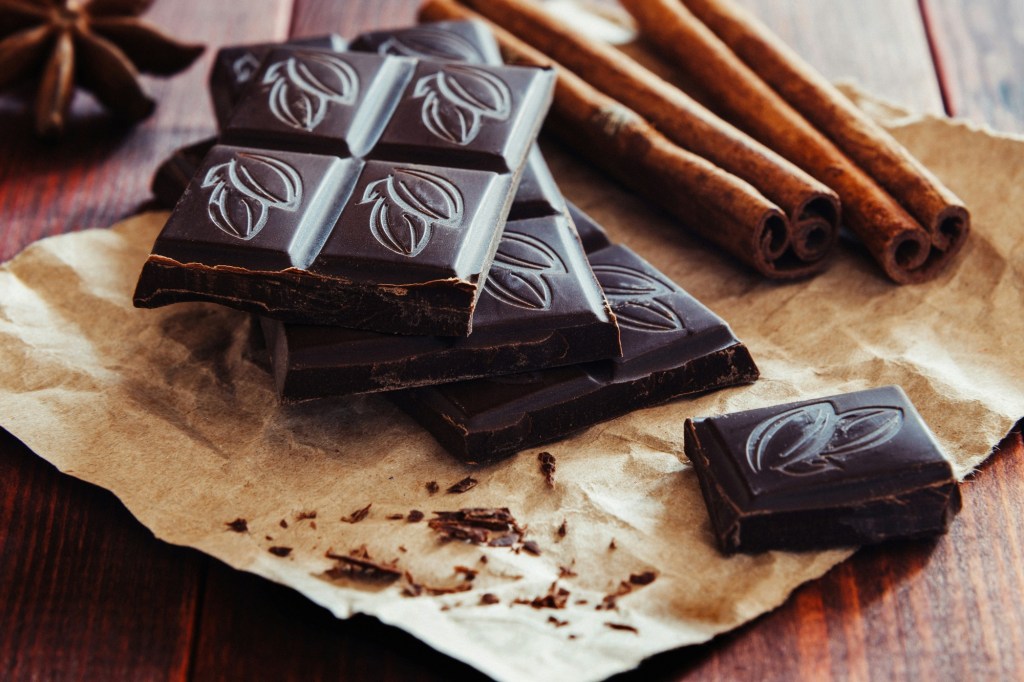
Oats, quinoa, potatoes, lentils, whole grains are complex carbohydrates.
They don’t just fuel you, they anchor you. They make fat loss feel sustainable instead of exhausting, and training feel supported instead of forced.
They are not superior, just more patient.
Fiber
Fiber is the part of carbs you don’t digest and the part that quietly regulates everything.
It feeds the gut, slows digestion, improves insulin sensitivity, supports hormone balance, and creates real physical satiety.
Vegetables, berries, seeds, legumes, fruit skins, oats are forms of fiber.
Fiber doesn’t give you energy. It teaches your body how to handle energy properly.
Simple carbs fuel you, complex carbs sustain you and fiber regulates you.
What about glucose? It’s actually the currency of human performance! With adequate glucose consumption comes brain, nervous system and training output.
Glycogen is also your body’s hidden energy bank. That is why depleted glycogen feels like “burnout”. You essentially need it to have energy to train, perform tasks and even use your brain and mind.
Learning how your body operates prevents you from being victim to a harmful diet culture that literally instills so much fear into us about carbs.
Why Low-Carb Works… Until It Doesn’t
Many diets are actually low-carb. People buy into the idea that carbs are bad and they end up following those types of diets (think Atkins).
You start with a honeymoon phase where you end up losing weight (it’s mostly water weight). Your mood and energy are still fine and balanced. What happens afterwards?
You start to get tired. You get tired and irritated. Your physique also starts to look flat and you undergo hormonal stress as well as a decrease in training output.
Cortisol then begins to shoot from the roof, your levels go very high and it starts to get unpleasant.
Going through the symptoms isn’t something that is recommended and having survived it once is fine, going through it again is unnecessary.
Going low-carb appeals to our desire for control, instead of our long-term physiology.
Fat Loss Is Not About Removing Fuel
Fat loss is about achieving balance within our bodies and shedding weight. Energy balance can occur without calorie obsession.
The body can go through metabolic adaptation. Several processes can instigate this adaptation without depriving the body of its necessary ingredients.
Under-eating backfires because it disrupts the homeostasis of the body and other metabolic issues. This eventually leads to high cortisol and more fat storage. Insulin increases and this poses its own health risks.
Fat loss is not mechanical, its’s regulatory. Check out my previous blog posts on the subject (here and here as well).
The Strategic Use of Carbs
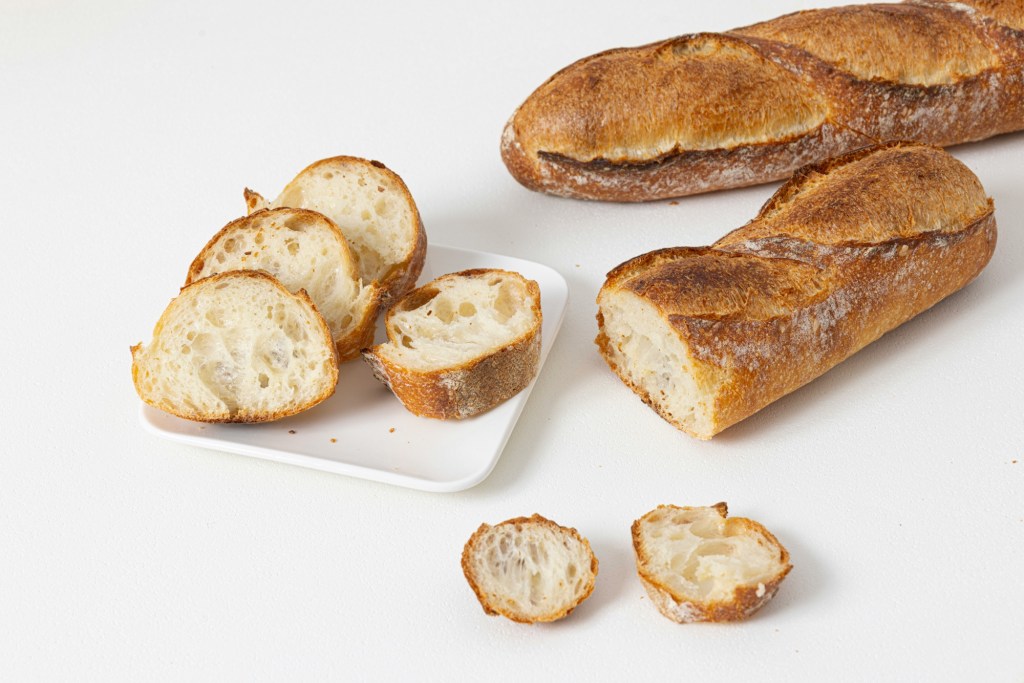
How can we use carbs strategically?
1. We Use Carbs as Performance Tools
This leads to:
- Better lifts
- Better recovery
- Better muscle signal
2. Carbs Can Act as Hormonal Support
They can balance out the following hormones:
- Thyroid
- Leptin
- Cortisol balance
3. Carbs as Aesthetic Tools
Consuming carbs can lead to:
- Fuller looking muscles
- Better skin
- Less “stringy” look
- Softer but leaner physique
You can be smart and strategic with carbs to truly deliver your physique with the best results.
When to Eat Carbs
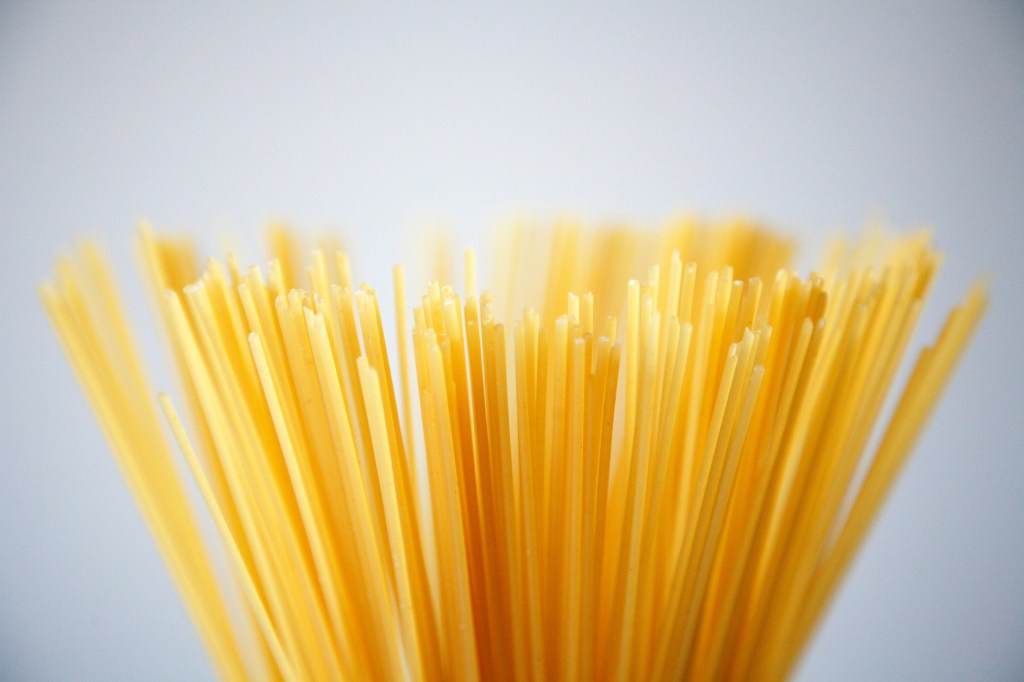
1. Training days vs rest days
You want to consume more of your carbs on training days versus rest days.
2. Pre-workout carbs
You can consume your carbs before your workout for optimal fuel.
3. Post-workout glycogen
Consume your carbs post workout for optimal glycogen restoration. Pair with protein for muscle growth.
4. Evening carbs and sleep quality
Consume your carbs in the evening to sleep better and deeper.
Which Carbs Actually Work for a Fit Female Body
1. High Satiety Carbs
Best for: fat loss, appetite control, staying full on lower calories. These are high in fiber, volume, and water content.
They keep your stomach physically full and your blood sugar stable.
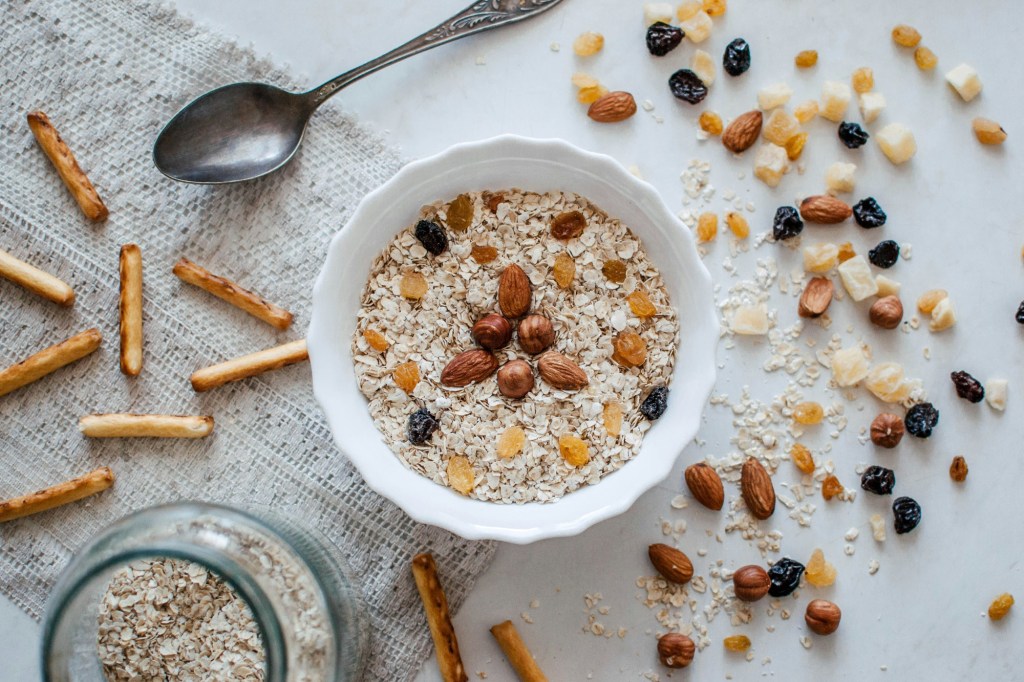
Examples:
- Oats (especially steel-cut or rolled)
- Potatoes (white or sweet, especially boiled/air-fried)
- Quinoa
- Lentils
- Chickpeas
- Black beans / kidney beans
- Brown rice
- Barley
- Buckwheat
- Whole grain sourdough
Why they work:
Combining fiber with slow digestion equals less hunger, fewer cravings and an easier deficit.
2. High Micronutrient Carbs
Best for: health, hormones, skin, gut, longevity.
These are “nutrient-dense” with lots of vitamins, minerals, polyphenols.
These carbs actually feed your cells.
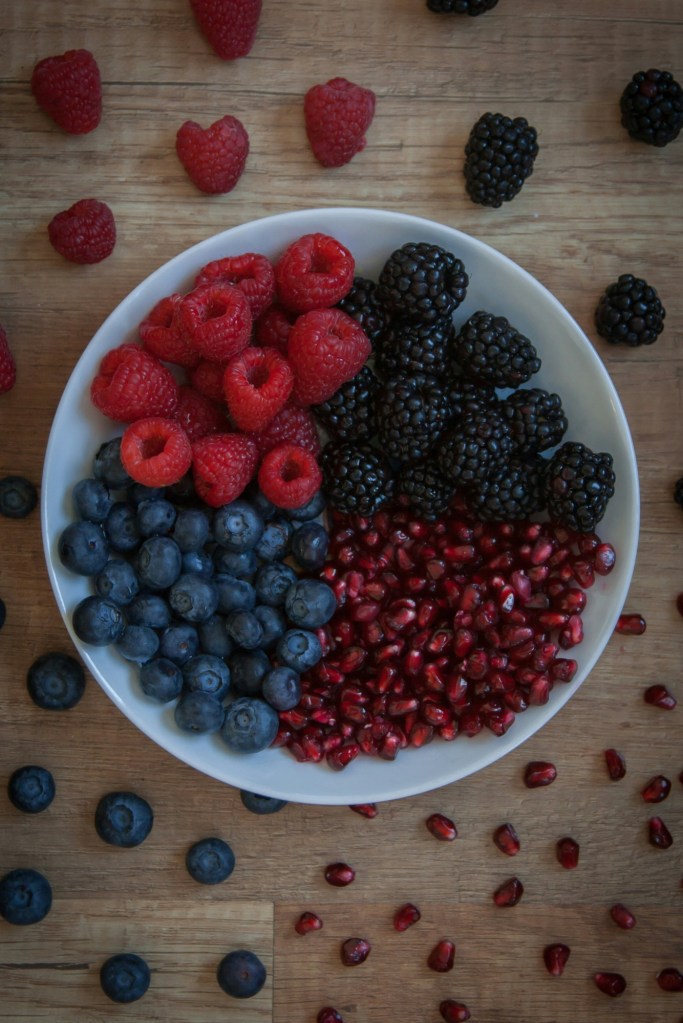
Examples:
- Berries (blueberries, raspberries, strawberries)
- Pomegranate
- Kiwi
- Oranges / citrus
- Beets
- Carrots
- Pumpkin / squash
- Red cabbage
- Sweet potato
- Apples (with skin)
- Dates (in moderation)
Why they work:
They deliver antioxidants, potassium, magnesium, vitamin C, folate. These are things that no supplement can fully replace.
3. Performance Carbs

Best for: training, pumps, strength, endurance, recovery. These digest easily and refill muscle glycogen fast.
They are low fiber, higher glycemic and fast-acting.
Examples:
- White rice
- Jasmine/basmati rice
- Rice cakes
- White potatoes
- Bananas
- Honey
- Maple syrup
- Sourdough bread
- Cream of rice
- Rice noodles
- Cornflakes / Rice Krispies
Why they work:
They get into your bloodstream quickly. Your muscles get fuel which leads to better workouts and a better physique.
These are not “bad carbs”, they’re strategic carbs.
4. Comfort Carbs

Best for: enjoyment, psychology, social life, sustainability. They are low in nutrients, low fiber and high pleasure.
These don’t build your body, but they keep you sane.
Examples:
- Croissants
- Pizza
- Fries
- Pasta with creamy sauces
- Pancakes / waffles
- Cookies
- Chocolate
- Cake
- Ice cream
- Chips
Why they matter:
A diet with zero comfort carbs is not discipline, it’s a future binge.
The goal is inclusion, not elimination.
You want to base your diet on satiety and micronutrient carbohydrates mainly.
You want to fuel your training sessions with performance carbs.
Finally, you want to enjoy your life with comfort carbs (intentionally, not mindlessly).
Carbs aren’t the enemy, misusing the wrong carb for the wrong job is.
These are the type of carbs that you want to be consuming along your fitness journey:
- Berries
- Oats
- Rice
- Potatoes
- Dark chocolate
- Sourdough
- Honey
- Fruit
A woman or man who trains hard needs to optimize their performance and have pleasure.
The Biggest Myths About Carbs
The following are simply myths:
- “Carbs make you fat”
- “Insulin blocks fat loss”
- “You must earn carbs”
- “Carbs after 6 pm turn into fat”
- “Keto is optimal for women”
These myths are emotionally appealing because they give us a sense of control. They are also fear based so easy to manipulate us.
The Real Reason Women Struggle With Carbs
Women struggle with carbs for several reasons. The first is because we have control issues. We like to regain control by adjusting how we use and consume carbs.
We restrict them and all is good, we limit our consumption and we’ve adhered to our diets. We also fear softness both physically and emotionally.
With the fear of being too soft on ourselves or getting fat, we control this macronutrient with greater strictness and precision.
We are traumatized in our experience of diets, often dealing with side effects and life experiences that lead us to seek healthier alternatives to diets.
We are socially conditioned to take up less space and to disappear. A woman’s self worth often tied to her ability to have self control or restrict.
Reframing Carbs as Feminine Power, Not Weakness

Carbs are our:
- Energy
- Vitality
- Presence
- Performance
- Nervous system safety
Strong women are regulated women who are also not afraid to take up space. Carbs allow us the comfort of eating for our satiety, brain and physical function.
We have only been brainwashed to fear them and try to control/restrict our intake of this life-affirming macronutrient.
Carbs are fundamental towards our physical and mental performance. There are different types of carbs, each with their own function. We should use them according to our goals but never restrict ourselves.
The goal was never to eat less. The goal was always to function better.
I hope that you enjoyed this blog post on Carbs Aren’t the Enemy: How to Use Them Strategically for Fat Loss & Performance, please let me know what you thought about it in the comments section below!

 Taras Fit World