Hey guys,
Today’s blog post is a Guide to caffeine for physical performance. This post covers what caffeine is, it’s usage, dosage and safe consumption, it’s performative benefits and side effects.
I hope that this guide navigates your caffeine curiosities well. Caffeine is a huge part of the modern world so we should know how to consume it from an informed perspective.

What is caffeine?
Caffeine is a psycho stimulant drug meant to increase energy and alertness. It is also used for focus and fat loss.
The coffee industry is huge, employing 2.2 million people and generating over $100 billion in wages in 2022 alone.
Caffeine can be found in coffee, teas, energy drinks and fitness/dietary supplements.
Consuming too much caffeine can lead to feelings of anxiety, insomnia and can exacerbate mental health symptoms.
Popular forms of caffeine:
- instant coffee
- brewed coffee
- espresso
- pre-workout beverages or powders
- caffeinated gum or candy
- energy drinks
- black tea
- Sports gels
Caffeine affects the following biological processes:
- Central nervous system
- Hormones
- Fat burning
- Endorphins
- Glycogen
- Body temperature
- Muscles
What is it used for?
Caffeine is used to reduce fatigue, increase focus, boost mood and during athletic performance, to improve muscle speed and efficiency.
How does it work?
Caffeine works by increasing activity of the central nervous system. In particular, their ability to activate particular pathways contribute to feelings of euphoria, focus and boosting cognition.
“Caffeine may work, in part, by creating a more favourable intracellular ionic environment in active muscle. This could facilitate force production by each motor unit.”
Caffeine also increases the amount of dopamine our bodies release by activating our noradrenaline neurons.
“Caffeine increases energy metabolism throughout the brain but decreases at the same time cerebral blood flow, inducing a relative brain hypoperfusion. Caffeine activates noradrenaline neurons and seems to affect the local release of dopamine.”
Caffeine releases methylxanthine onto serotonin (our body’s feel good hormone) neurons which increases our arousal, vigilance and decreases fatigue.
“Many of the alerting effects of caffeine may be related to the action of the methylxanthine on serotonin neurons. The methylxanthine induces dose-response increases in locomotor activity in animals. Its psychostimulant action on man is, however, often subtle and not very easy to detect.”
Can it improve physical performance?
Yes, a 2020 study by Martin&Guilherme indicates that aerobic endurance highly benefits from caffeine usage.
“Aerobic endurance appears to be the form of exercise with the most consistent moderate-to-large benefits from caffeine use, although the magnitude of its effects differs between individuals (Martins&Guilherme, 2020).”
In terms of resistance training, both caffeine and decaffeinated coffee can improve resistance-training style performance in a singular bout (think a 1 rep max for the squat).
“However, the improvements may only relate to squat performance and not the bench press.”
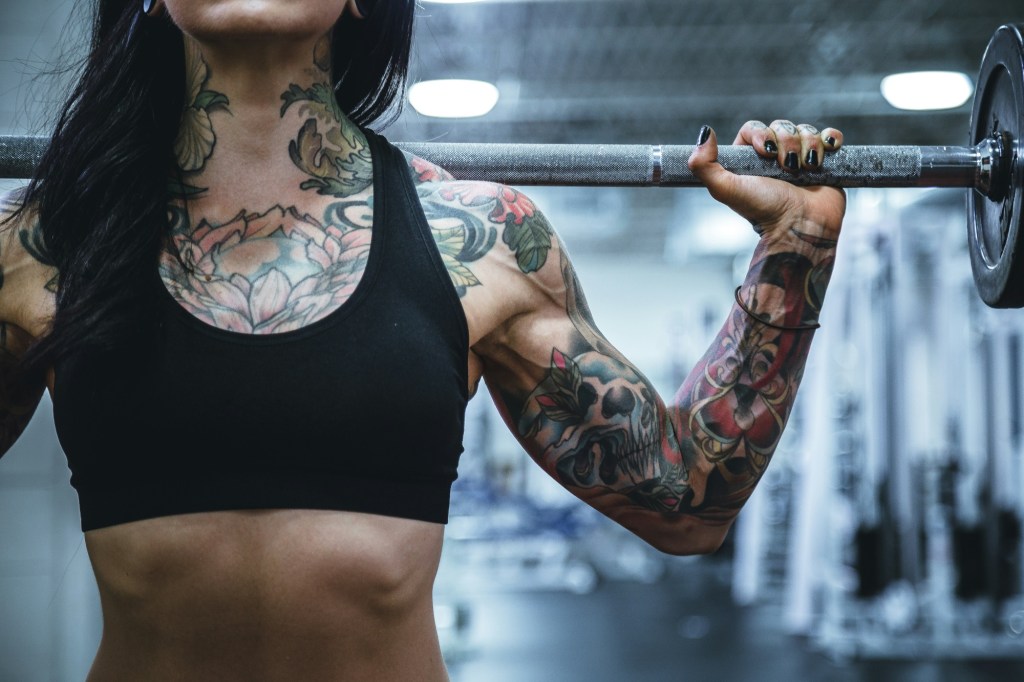
Ultimately, caffeine in energy drinks and pre-workout supplements is found to enhance both anaerobic and aerobic performance.
“Caffeine does not improve maximal oxygen capacity directly, but could permit the athlete to train at a greater power output and/or to train longer. It has also been shown to increase speed and/or power output in simulated race conditions.”
Finally, caffeine improves muscle speed and focus.
“At the correct dosages, caffeine can provide benefits to athletes and students by respectively increasing muscle speed and improving levels of focus.”
5 benefits of caffeine consumption:
1) Caffeine enhance a person’s physical performance
This includes muscular endurance, movement velocity, strength and a wide range of aerobic/anaerobic actions).
“Small to moderate benefits of caffeine use include, but are not limited to: muscular endurance, movement velocity and muscular strength, sprinting, jumping, and throwing performance, as well as a wide range of aerobic and anaerobic sport-specific actions.”
2) It boosts their cognitive function

3) It potentially increase the amount of fat one burns
“Caffeine induces the breakdown of fat in fat cells, increases your body’s production of heat, and increases fat oxidation in people with an average weight, overweight, and obesity.”
“Caffeine also modestly increases your daily calorie expenditure.”
4) Caffeine enhances cognitive function
This also includes attention, vigilance, focus and short-term memory.
“Caffeine has been shown to be ergogenic for cognitive function, including attention and vigilance, in most individuals.”
5) Caffeine helps you burn more calories during a workout
How much to reap benefits/how to consume
- Start at a dose of 150-200mg and work your way up to 400mg based on your tolerance level. Do not overdo it with the caffeine!
“Start at a low dose — around 150–200 mg — to assess your tolerance. Then increase the dose to 400 or even 600 mg to maintain a performance benefit.”
- Save it for key events or races!
- Consume 60 minutes before exercise.
- For isokinetic exercises (think push ups and pull ups), consume 30 minutes before!
How much caffeine to consume to reap the performative benefits?
Caffeine is most effective for boosting performance in doses of 3-6mg/kg or body mass.
“Caffeine has consistently been shown to improve exercise performance when consumed in doses of 3–6 mg/kg body mass (Martins&Guilherme,2020).”

What are possible side effects of caffeine consumption?
Side effects of too much caffeine include:
- increased heart rate
- anxiety
- dizziness
- insomnia
- irritability
- tremors
- stomach discomfort
Safety and precautions

- To circumvent any side effects, avoid caffeine intake after 4 or 5 p.m.
- Do not exceed 400 milligrams!
Sources:
https://artsci.tamu.edu/news/2024/05/the-pros-and-cons-of-daily-caffeine-intake.html
https://www.healthline.com/nutrition/caffeine-and-exercise
https://www.medicalnewstoday.com/articles/coffee-before-workout#benefits
https://www.ncbi.nlm.nih.gov/pmc/articles/PMC7739593/
https://www.ncbi.nlm.nih.gov/pmc/articles/PMC7777221/
https://pubmed.ncbi.nlm.nih.gov/11583104/
https://pubmed.ncbi.nlm.nih.gov/1356551/

 Taras Fit World
One Comment Add yours