Hey loves,
Today’s blog post is on Muscle Dysmorphia in the Age of Glute Culture. How much of the glutes crazes is due to muscle dysmorphia or just a trending menu item that gets picked at the gym?
The Body That Is Never Finished
How many times have you “checked” your muscles at the gym and felt they weren’t big or pumped enough?
Despite all the work that you put into them, you still felt they were lacking in size and visual weight?
This deep dissatisfaction is not always a result of vanity, larger factors are at play like body image and the idea of self-monitoring.
This self-monitoring can be disguised as discipline and then socially accepted and praised as being pro-social and even necessary.
The glutes are a modern focal point, since the rise of Bret Contreras (a famous glutes building coach), this type of training has now found its way into every women and almost every men’s training repertoire.
Once functional, glutes training has now become symbolic. The glutes are a currency of strength, desirability and even worth in certain cultures (like Lebanon).
In a culture that rewards visible effort, muscle dysmorphia thrives especially where progress is never deemed sufficient.
What is Muscle Dysmorphia?
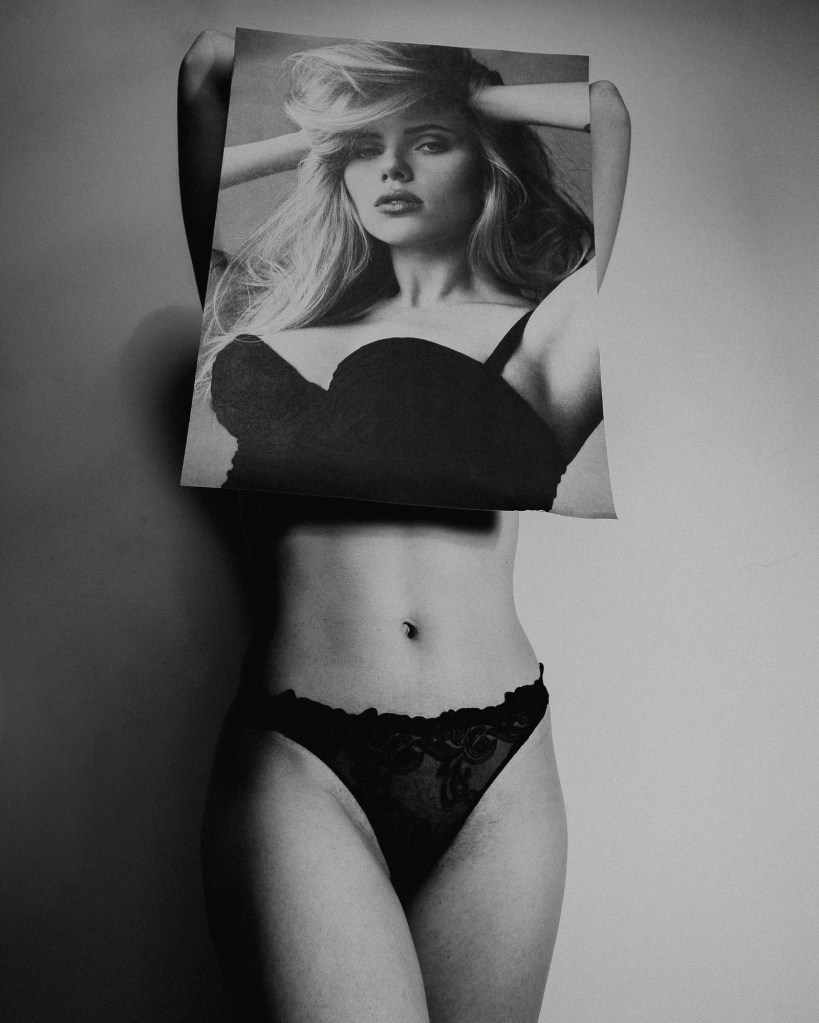
Muscle dysmorphia is a subtype of body dysmorphic disorder. It is a preoccupation with perceived muscular inadequacy.
This type of disorder is mostly mental and feels very real for the person struggling with it.
Muscle dysmorphia is not limited to men neither is it caused by lifting itself. Furthermore it isn’t solved by achieving more at the gym.
It can truly happen to anybody just like one can struggle with feeling fat on a certain day.
There, of course, is a difference between simply having high standards vs having a distorted self-perception.
Having high standards is not what muscle dysmorphia is as the latter distorts one’s image to begin with.
What about the theme of discipline vs compulsion? How much of our training when it comes to muscle dysmorphia is driven by actual goal-setting and prioritizing vs a compulsion to “fix muscle inadequacy”?
This then ties into the idea of conditional self-worth and the idea that “I am only okay if my body looks a certain way”. This couldn’t be further from the truth, we should love ourselves every step of the way no matter how we feel about our bodies.
Body Image Disorders 101

Muscle dysmorphia fits within the broader body-image ecosystem of:
- Eating disorders
- Orthorexia
- Cosmetic dysmorphia
- Chronic comparison fixation
The shared these disorders have is that control is typically use to cope. Shame also fuels these disorders to remain operant and perfection becomes this moving target. We thus never feel adequate and this continues the cycle.
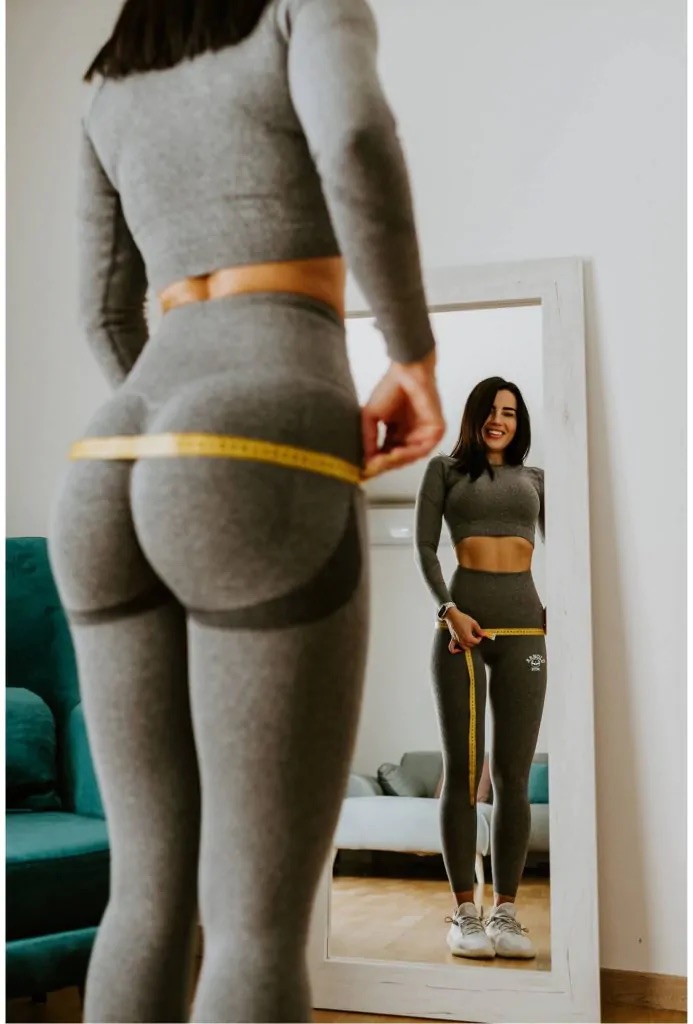
Fitness spaces are particularly vulnerable because of metrics, mirrors and progress photos used to measure our progress. We become praised due to our appearance rather than our wellbeing.
The Rise of Glute Culture
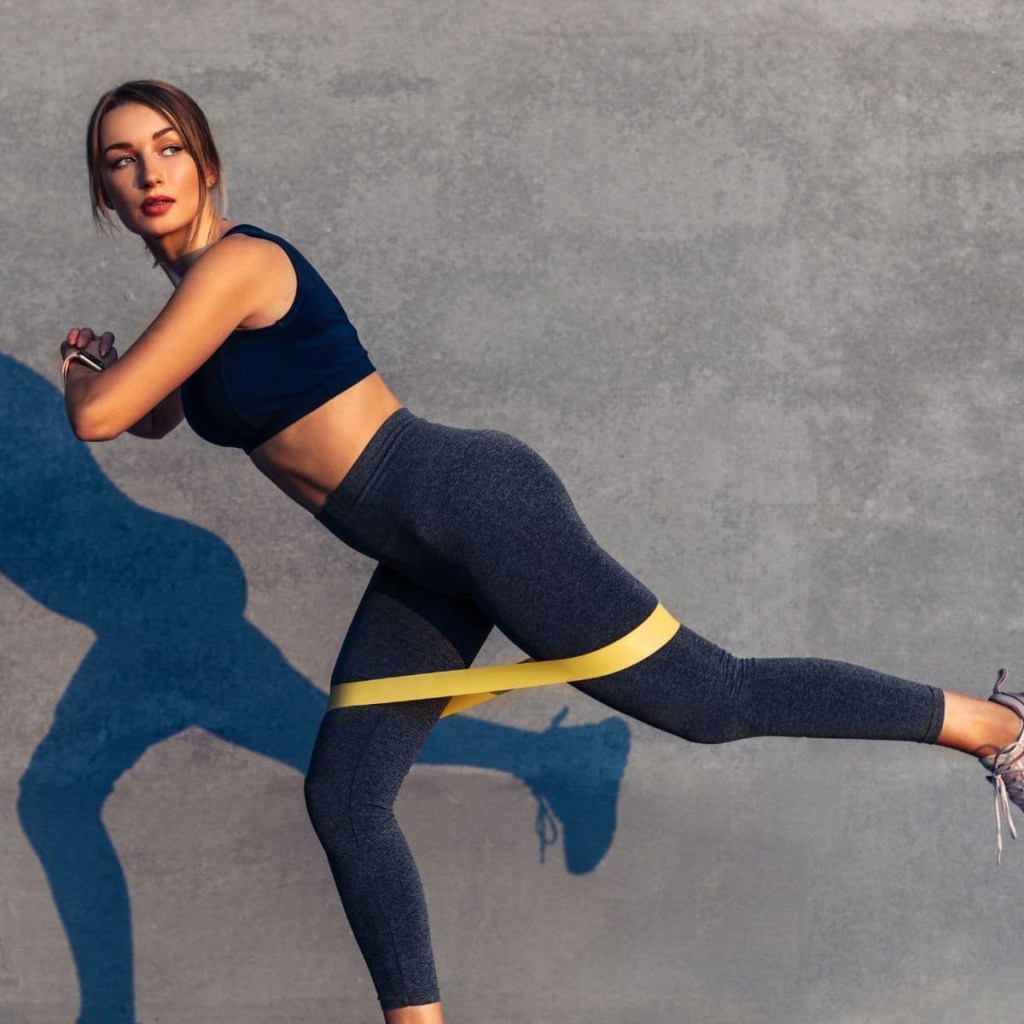
Glutes have always had athletic power. Look at your favorite sprinter or track and field athlete and they have huge glutes.
Your favorite bodybuilder or fitness model probably has them as well, they definitely do if you’re reading this in 2026.
Glutes became the aesthetic obsession and this was mostly due to social media.
Social media’s role was such that agorithmic amplification of exaggerated proportions ran prominent in people’s Instagram or TikTok feeds.
Social media users’ glutes can be enhanced through cropped angles, pumped lighting or selective genetics.
They can also be enhanced chemically with steroids or can be a result of the Brazilian butt lift surgery. They can also simply be the result of editing softwares.
The glutes are a “safe obsession” often marketed as empowerment. I am someone who has this obsession and find this conversation necessary and useful.
Glutes are rarely discussed as psychologically taxing. The contradiction is there and evident: training glutes is encouraged however wanting them too much is ridiculed or ignored.
Why Glutes Become a Dysmorphic Target
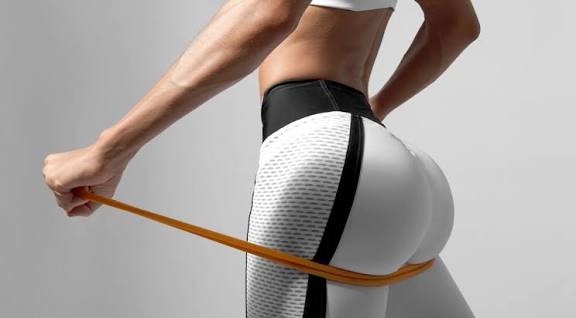
This happens because of the anatomical reality of the glutes which is that they are a slow-growing muscle group with high genetic variability.
Plus, the benefits of having them socially are great, you get more dating options and your sexual market value goes up!
Psychological factors like the glutes being behind us and never fully seen are also at work. Reliance on mirrors, photos and validation are also factors.
The glutes symbolize femininity, sexual power, strength and status. The result of this is that progress becomes invisible to the person achieving it, it just never feels enough.
Training vs Identity

How intricately connected is training to identity? Or more specifically to our physiques? Is it correct to assert that we are our bodies rather than some spiritual entity residing in it?
When we forget just how spiritual we are and go into the spectrum of dysmorphia is when we experience the following:
- Anxiety on rest days
- Avoidance of certain clothes or angles
- Constant comparison despite improvement
The silent grief then becomes that we love strength when discipline but we hate the body that it creates.
The body is often treated as a project vs a home to inhabit. This is true due to beauty standards and the quiet contract that we sign once we seek to fit them.
The Fitness Industry’s Quiet Complicity
The fitness industry comprises of athleisure, coaching, books, food, content and equipment.
Fitness marketing narratives include:
- “Just grow your glutes”
- “If you’re not happy, you’re not training right”
These attitudes perpetuate a culture of training separate from intuition and instinct.
It pushes forward the idea that growing our glutes we will find happiness with training (which is not always the case) and that mental health doesn’t matter when it comes to our training.
This dissatisfaction is often a sign of degrading mental health with afflicted individuals often seeking surgical or extreme ways to mimic the aesthetic that they initially sought with glutes training.
As coaches and content creators, we can sometimes reinforce dissatisfaction unintentionally. We have to be careful with our messaging and the type of advice we give to people starting their fitness journeys.
This post is not anti-glutes training, I certainly hope that you do fall in love with it the way that I have! Check out my posts on the subject: here, here and here.
It is about getting outside of the obsessive, unhealthy and less grounded side of it. We don’t have longitudal studies on the impact of muscle dysmorphia related to glutes training yet.
What happens at the end of that story? Once again, my aim to not to discourage healthy training. It is to shine a light on the wholeness of you that trains rather than the absence of a physical entity.
Remember, we are spirits as well as bodies. Why then do we place the look of our bodies above how we feel internally and the joy that can come from a healthy idea of training?
What Healthy Glute Training Actually Looks Like
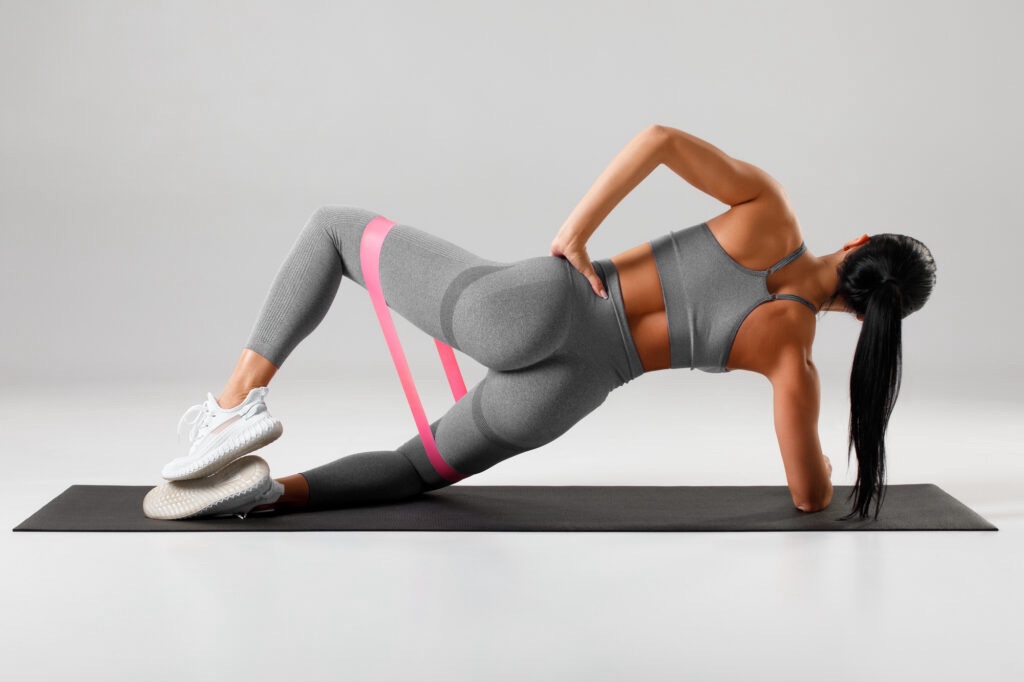
What does non-dysmorphic training look like? It involves a few simple processes. Firstly, let’s reframe progress.
Let’s have progress include strength, stability, power and longevity. These are life-affirming and cannot be distorted by our thoughts.
Second, let’s detach worth from shape. Let’s go back to the idea of training because it enhances life and not because it earns acceptance.
What about the idea of sufficiency? This means that we believe ourselves to be strong and healthy enough. Sufficient enough.
Reclaiming the Body Without Abandoning Ambition
You can love lifting, want strong glutes and still reject having dysmorphia. It all comes down to simple mindset shifts and steering away from hype and into a more grounded outlook with training.
Practical mental shifts are viewing the body across seasons and valuing function during phases of aesthetic change.
Other mindset shifts are valuing physical strength and health as a metric towards happiness and success rather than glutes size.
Finally, a body does not need constant improvement to deserve care.
Strength That Does Not Shrink the Self
Strength is not how closely you watch yourself, it is how safely you live inside your body. Muscle dysphormia will lie to you and tell you hyper fixate and monitor more.
True freedom lies in knowing with our intelligence that we are having a spiritual experience and not to sweat the small stuff. Let’s not obsess over our body part size and shape over everything else in our lives.
Life is too short to monitor instead of exist and training should make us love ourselves more rather than criticize and berate our appearance even further.
I hope that you enjoyed this blog post on Muscle Dysmorphia in the Age of Glute Culture, please let me know what you thought about it in the comments section below!

 Taras Fit World