Hey loves,
I did not arrive at fitness through vanity, I arrived through necessity.
My body did not whisper at first. It spoke in fatigue, tightness, anxiety, poor sleep, and a vague sense that I was living inside myself rather than with myself.
I treated these signals the way many people do: coffee in the morning, distraction during the day, collapse at night. I assumed this was just adulthood.
It wasn’t, it was my physiology asking for structure.
Over time, training became less about changing how I looked and more about translating what my body was trying to tell me.
What began as movement turned into understanding. What began as discipline turned into trust. What began as exercise turned into medicine.
Not emergency medicine. Not dramatic intervention. Not something you reach for when things are already broken.
Preventive medicine.
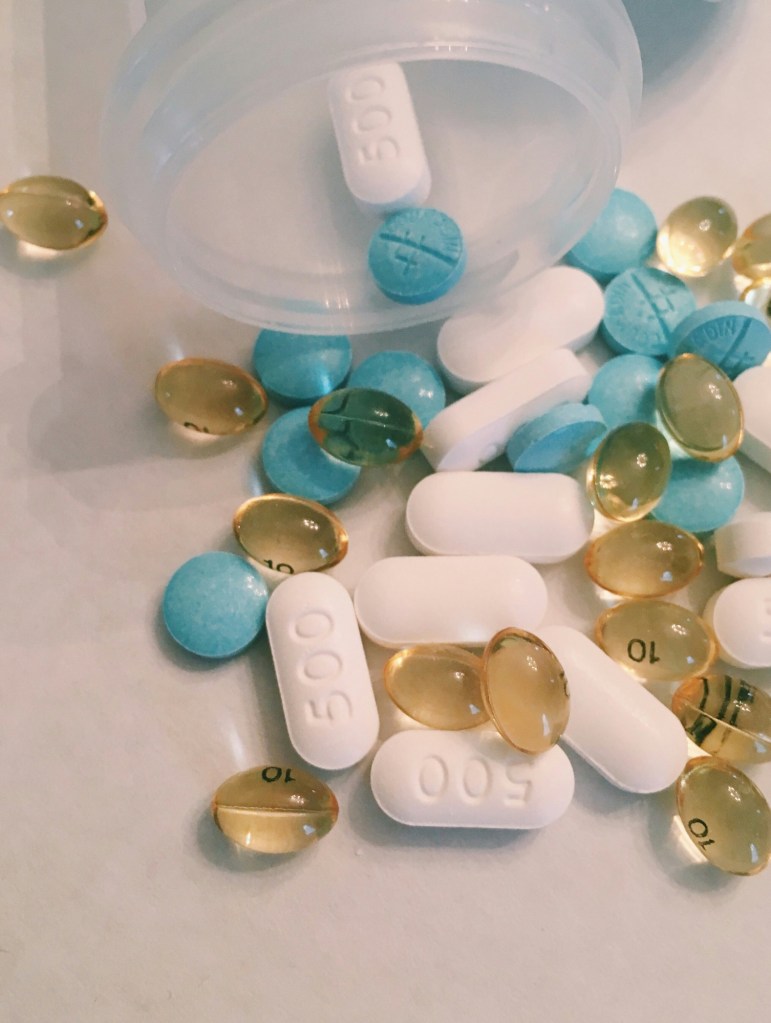
The kind that works quietly, daily, and invisibly until one day you realize you feel stronger, clearer, calmer, and more stable than you ever have. The kind that protects you long before illness ever gets close enough to matter.
We live in a culture that glorifies rescue, not prevention. We love before-and-after photos, sudden transformations, miracle protocols, and dramatic recoveries. We are drawn to extremes because they feel meaningful.
But the real hero of human health is not drama. It is consistency.
The most powerful changes to your life rarely look cinematic. They look boring from the outside: three workouts a week, regular meals, daily steps, decent sleep.
Yet those “boring” habits are what determine whether your body thrives or deteriorates over decades.
Fitness belongs squarely in this quiet category of prevention.
When I say fitness, I am not talking about punishing cardio sessions or calorie restriction disguised as wellness.
I mean structured strength training, intelligent movement, and a lifestyle that supports metabolic health. That is where true prevention lives.
Heart disease remains one of the leading causes of death for women worldwide. Yet many women still believe it is a distant, male problem or something that only appears in old age. That belief is dangerously incomplete.
Heart disease does not begin with chest pain. It begins years earlier with subtle shifts in blood sugar, cholesterol, inflammation, and blood pressure.
These shifts accumulate silently. By the time symptoms appear, the story has already been written.
Strength training interrupts that story.
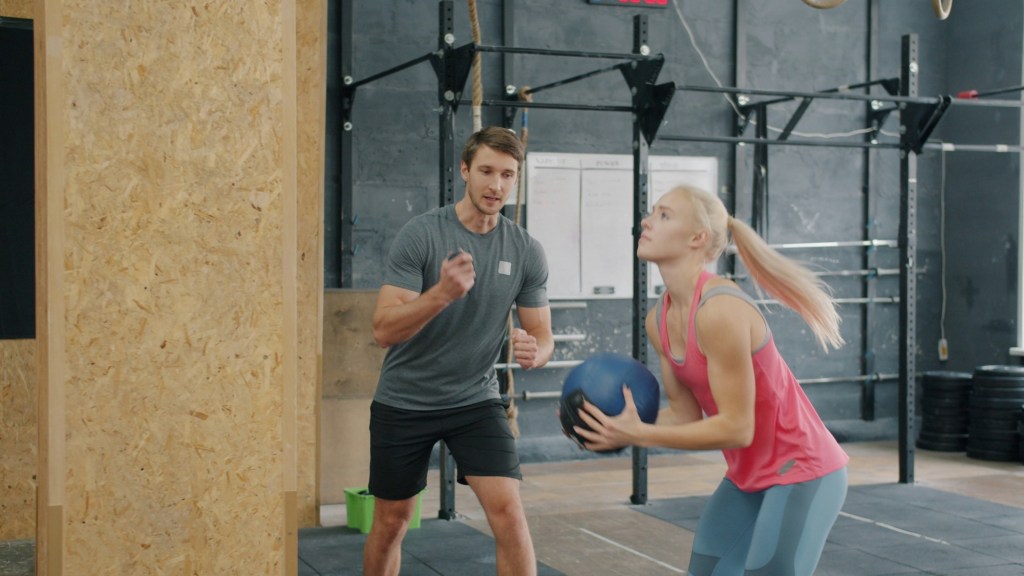
Most people think of muscle as aesthetic tissue, something that shapes your body. In reality, muscle is a metabolic organ.
It actively participates in regulating your blood sugar. It increases insulin sensitivity, reduces chronic inflammation, and improves how your blood vessels respond to stress.
In simple terms, muscle stabilizes the internal environment your heart has to operate within.
The more functional muscle you carry, the less strain your cardiovascular system experiences over time. Your body becomes efficient rather than fragile.
Yet for decades, women were told that cardio was enough. Walk more. Run more. Burn more. Sweat more. Be smaller.
Cardio is not harmful. But cardio alone is incomplete.

It strengthens the heart, but it does very little to preserve muscle mass. And muscle loss is one of the most predictable changes in women’s bodies with age. After 30, it begins gradually. After menopause, it accelerates.
If resistance training is absent, you are not just losing muscle. You are losing metabolic protection.
That loss does not announce itself dramatically. It shows up as creeping fatigue, softer strength, less stability, rising blood sugar, more abdominal fat, higher blood pressure, and declining energy.
Eventually it can manifest as prediabetes, hypertension, or cardiovascular disease.
At that stage, people scramble for solutions. They look for diets, supplements, injections, or extreme programs.
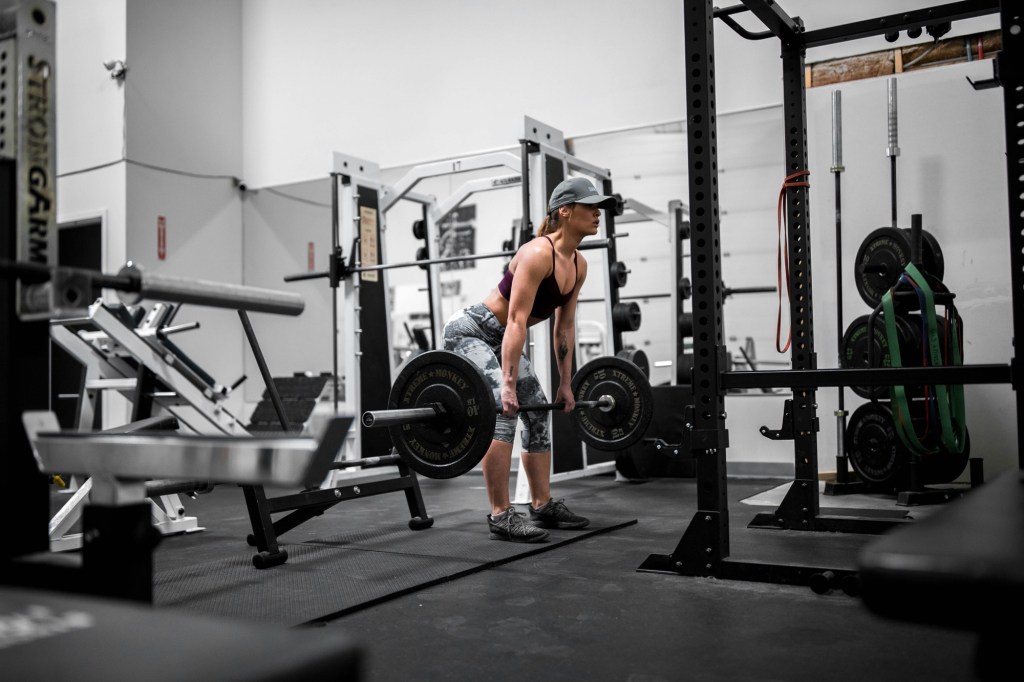
But the real intervention was available all along: lift heavy things, consistently.

Strength is not a cosmetic preference. It is biological intelligence.
For women, especially in cultures that prize delicacy, this idea can feel uncomfortable. We are often encouraged to be small, soft, and passive in our bodies.
We are praised for shrinking rather than becoming capable.
That social pressure has physiological consequences.
When women avoid lifting out of fear of looking “bulky,” they are unknowingly choosing weaker bones, weaker muscles, and a more vulnerable metabolism.
They are also choosing a higher long-term risk profile for heart disease and metabolic illness.
Take bone health as an example. Osteoporosis disproportionately affects women. Bones do not strengthen through light movement alone. They strengthen through resistance.
Every squat, hinge, press, or carry sends a mechanical signal to your skeleton that says: remain dense, remain strong, remain resilient.
Your heart benefits in parallel.
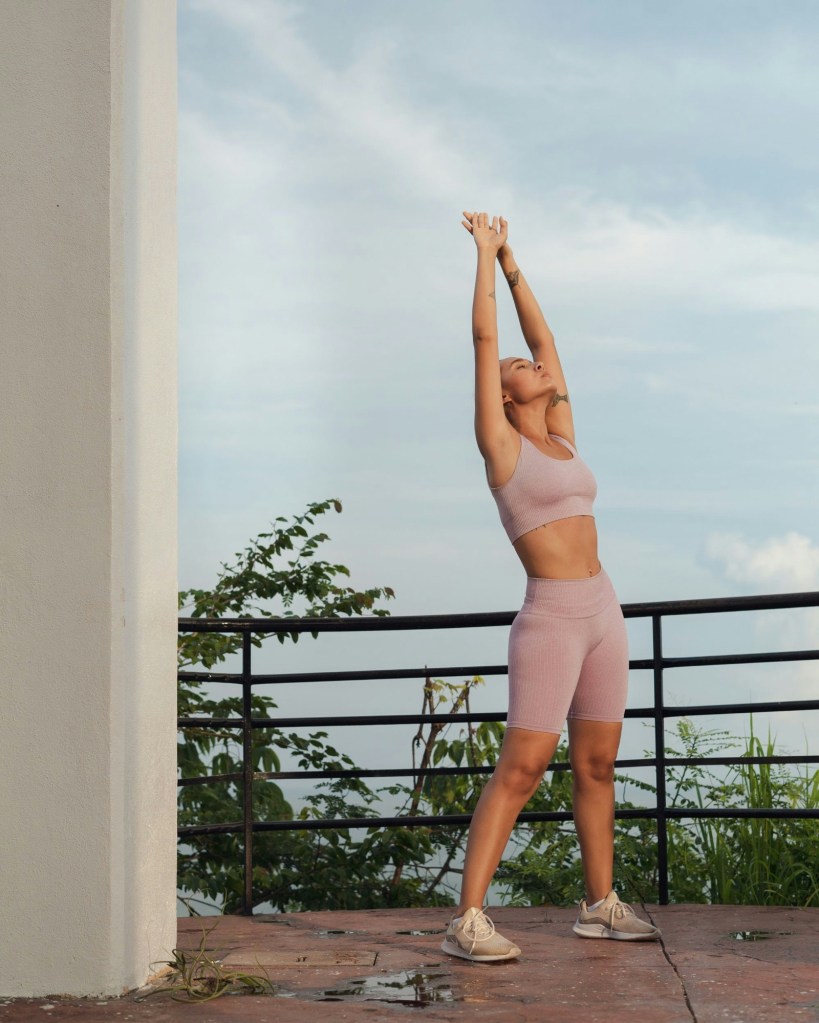
Research consistently shows that resistance training lowers resting blood pressure, improves cholesterol balance, and reduces insulin resistance.
It is one of the most effective tools available for preventing type 2 diabetes, which is tightly linked to cardiovascular disease.
Translated into real life, this means something powerful and simple:
A woman who strength trains regularly is not just “fit.” She is biologically safer.
Her body handles stress better. Her blood sugar spikes less. Her inflammation stays lower. Her energy is steadier.
Her hormonal environment becomes more balanced. Her risk profile improves year after year.
But none of this happens accidentally.
Preventive fitness requires a shift in mindset. You are not exercising to atone for food or punish your body for not being perfect.
You are exercising to protect it from the inevitable stressors of life: work pressure, emotional strain, sleepless nights, hormonal fluctuations, illness, and aging.
Strength does not remove these realities. It makes you resilient to them.
Three structured strength sessions per week can radically alter your health trajectory. Not random workouts, but purposeful training that includes fundamental movements: squats, hip hinges, pushes, pulls, and carries.

Cardio still has its place. Daily walking, steady movement, or moderate cardiovascular work supports heart health and mental clarity. But the true preventive foundation is the combination of movement and muscle.
Nutrition is another pillar of this framework.
You cannot build a preventive body on chronically low protein intake. Protein is the raw material of muscle repair and growth.
Without enough of it, your training becomes far less effective, and your body struggles to maintain the very tissue that protects your heart.
For most women, prioritizing protein is not about obsession with macros. It is about respect for biology. It is about giving your body what it needs to rebuild itself day after day.
Sleep is equally non-negotiable.
A sleep-deprived body is an inflamed body. An inflamed body places more strain on the heart. No amount of training can fully compensate for chronic sleep deprivation. Prevention is systemic, not isolated.
So preventive fitness becomes a lifestyle rather than a program:
Train smart.
Eat enough protein.
Move daily.
Sleep deeply.
Manage stress.
Repeat.
When you practice this consistently, something subtle shifts. You stop viewing your body as a problem to be fixed. It becomes a reliable partner instead.
That shift is as psychological as it is physical.
There is deep dignity in being physically capable. The dignity of climbing stairs without breathlessness.
The dignity of carrying groceries without pain. The dignity of waking up with steady energy instead of exhaustion. The dignity of knowing you are actively protecting your future self.
Picture yourself at 60 or 70. Imagine your heart strong, your bones dense, your balance steady, your independence intact.
That version of you will not appear by chance. She is constructed by thousands of small choices made today.
Every lift, every step, every high-protein meal is a deposit in that future.
Prevention does not demand perfection. It demands consistency.
You do not need extreme protocols. You need structure.
You do not need overnight transformation. You need regular presence.
Preventive medicine is slow medicine. But it is the most powerful medicine there is.
One of the most beautiful aspects of strength training is that it gives you immediate, tangible feedback. You see progress in your lifts. You feel stability in your body. You notice more confidence in how you move through the world.
That feedback reinforces your commitment to your health.
Aesthetics and health are not opposites. They can align. Often, looking stronger means becoming healthier. Feeling stronger reinforces behaviors that protect your heart.
The problem arises only when appearance becomes the sole objective. Then people starve, overtrain, and damage their physiology in the name of thinness.
A preventive approach rejects that trade-off.
You can care about how you look and how your body functions. You can be feminine and powerful. You can be beautiful and metabolically healthy.
In practical terms, a preventive routine for most women looks like this:
- Three days of full-body strength training per week.
- Daily walking, ideally 7,000 to 10,000 steps.
- A protein-rich, whole-food-based diet.
- Consistent sleep.
- Stress management practices.
- Optional higher-intensity cardio if you genuinely enjoy it.
No gimmicks. No extremes. No chaos.
Just steady care.
When women report feeling calmer, more confident, or more grounded after lifting, that is not coincidence.
Their nervous systems are learning resilience. Their bodies are becoming more capable. Their relationship with themselves is softening into respect rather than punishment.
That psychological resilience is also preventive medicine.
Chronic stress is damaging to the heart. Strength training, paradoxically, is a controlled stress that teaches your body how to handle life more effectively. It builds resilience physically and mentally.
Over time, that resilience carries into your relationships, work, and daily challenges. You become harder to destabilize. You trust yourself more.
If I could gift one understanding to every woman, it would be this: you do not need to wait for a health scare to take your body seriously. You do not need a family history of disease to practice prevention.
Your future deserves attention now.
Fitness as preventive medicine is not a trend. It is a reframing of what it means to be healthy.
Health is not merely the absence of illness. It is the presence of strength, stability, clarity, and vitality.
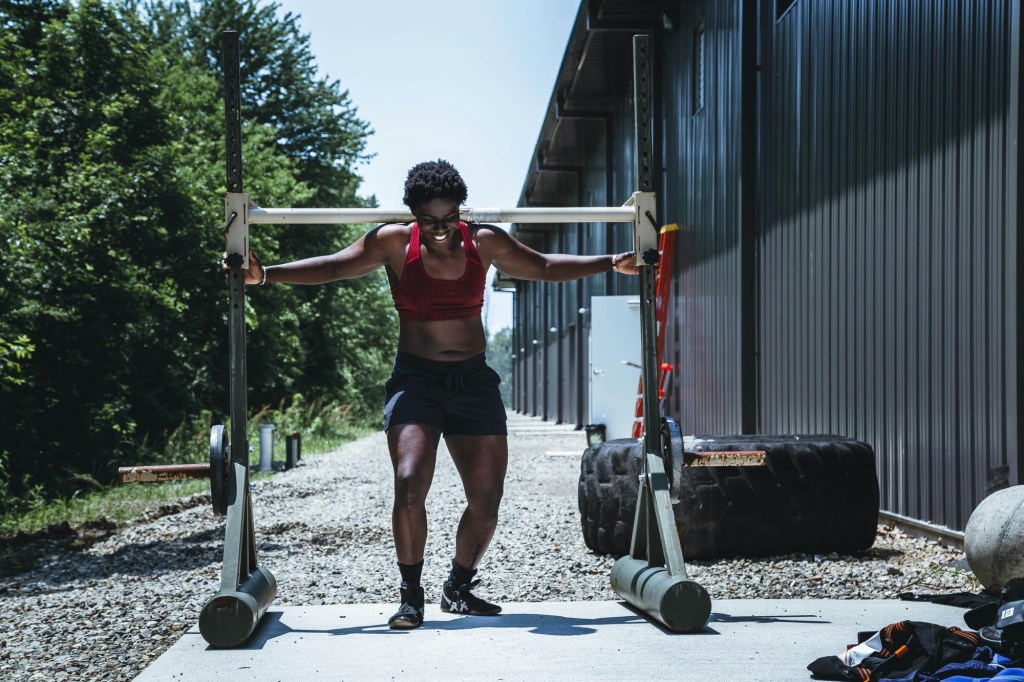
When you lift, you are not just shaping your body. You are shaping your lifespan, your independence, and your quality of life.
If I had to distill all of this into a single sentence, it would be this:
Your heart does not need you to be smaller, it needs you to be stronger. And that strength is a gift you give yourself, one deliberate day at a time.
I hope that you enjoyed this blog post on Fitness as Preventive Medicine, please let me know what you thought about it in the comments section below!

 Taras Fit World