Hey loves,
In recent years, the conversation surrounding women and strength training has evolved significantly.
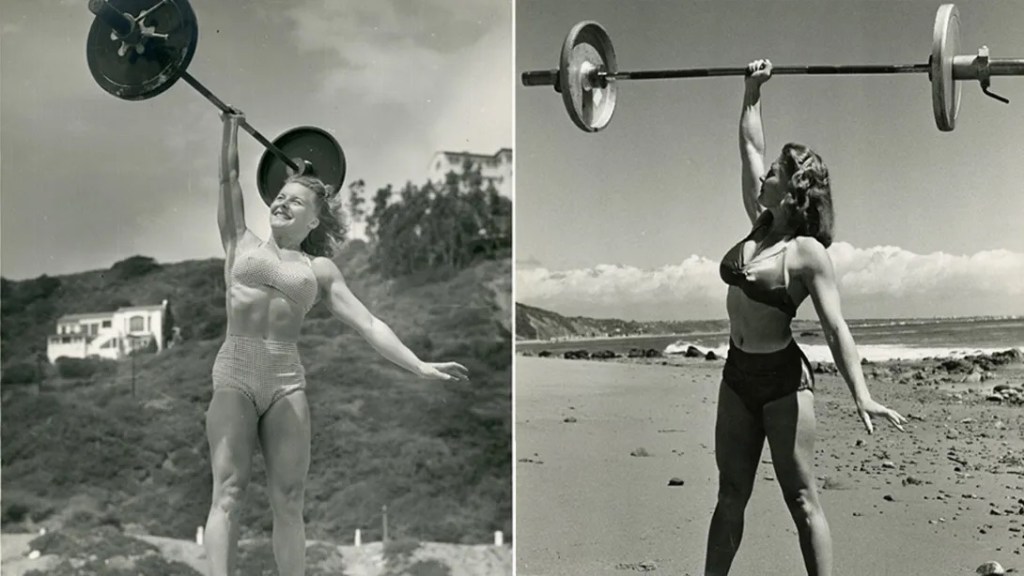
Historically, societal norms have often relegated women’s fitness to cardio and aesthetics, while strength training has been viewed as a domain primarily for men.
However, as we move towards a more inclusive society, it’s crucial to explore how the acceptance of strength training for women can lead to enhanced physical, mental, and social well-being.
This blog post will delve into the current perceptions of strength training among women, the benefits of embracing this form of exercise, and how bridging the gap can cultivate a more productive and successful generation of women.

The Historical Perspective
To understand the current landscape, it’s important to acknowledge the historical context. For decades, societal expectations dictated that women’s bodies should be slender, toned, and primarily focused on aesthetics.
This narrative has been reinforced by media portrayals, cultural norms, and even scientific research that has often overlooked the benefits of strength training for women.
The idea that lifting weights could make women “bulky” or “masculine” perpetuated a stigma that discouraged many from engaging in resistance training.
However, as the fitness industry has evolved, so too has the understanding of women’s bodies and their capabilities.
Research has shown that women can benefit significantly from strength training, not just in terms of physical appearance, but also in terms of overall health, mental well-being, and empowerment.
As society begins to challenge outdated stereotypes, it paves the way for a more inclusive approach to fitness.
The Benefits of Strength Training for Women
Physical Health: Strength training offers a plethora of physical health benefits for women. It increases muscle mass, boosts metabolism, and promotes weight management. Moreover, it enhances bone density, which is particularly crucial for women, who are at higher risk for osteoporosis as they age. Regular strength training can also help prevent chronic diseases such as heart disease and diabetes.
Mental Well-Being: Engaging in strength training can have profound effects on mental health. Exercise, in general, has been shown to reduce symptoms of anxiety and depression. Strength training, in particular, can foster a sense of accomplishment and improve self-esteem. The discipline and focus required in lifting weights can also translate into other areas of life, enhancing resilience and confidence.
Empowerment and Body Positivity: Strength training encourages women to appreciate their bodies for their capabilities rather than their appearance. As women become stronger physically, they often begin to feel stronger mentally and emotionally. This shift in mindset fosters a culture of body positivity, helping to dismantle the unrealistic beauty standards that have long dominated society.
Community and Support: Strength training often provides opportunities for women to connect with others. Joining a gym or participating in group classes can create a sense of community, fostering friendships and support networks. These connections can be instrumental in encouraging women to pursue their fitness goals and can lead to a more supportive environment where women uplift each other.
Bridging the Gap: Changing Perceptions
To create a more accepting environment for women in strength training, it’s essential to address and shift societal perceptions. Here are several strategies that can help bridge this gap:
Education and Awareness: Promoting education surrounding the benefits of strength training for women is vital. Gyms, fitness organizations, and social media influencers can play a significant role in disseminating accurate information that counters myths and misconceptions. Workshops, seminars, and fitness challenges can also engage women and provide them with firsthand experience of the benefits of strength training.
Representation: Representation matters. The fitness industry needs more female role models who exemplify strength training’s benefits. Highlighting diverse women who lift weights can inspire others to follow suit. This representation can extend to social media, advertising, and even within gym spaces, where female trainers can encourage and support their peers.
Creating Inclusive Spaces: Gyms and fitness centers should strive to create inclusive environments that welcome women of all shapes, sizes, and fitness levels. This includes providing women-only classes, female trainers, and a supportive atmosphere that encourages participation without judgment. Establishing a culture of inclusivity can help women feel more comfortable and confident in their strength training journeys.
Encouraging Participation: Communities and organizations can promote events that encourage women to participate in strength training. This could include women’s fitness days, strength competitions, or group training sessions that focus on empowerment and camaraderie. By fostering an environment where women can experience strength training together, the stigma can be reduced.
The Impact on Future Generations
The acceptance of strength training for women has the potential to create a ripple effect that benefits future generations.
As women embrace strength training and its associated benefits, they set an example for younger girls, helping to shape their perceptions of fitness and body image.
Empowered Role Models: Girls who grow up seeing strong, empowered women will be more likely to embrace strength training themselves. This shift can create a new generation of women who prioritize themselves.

Bridging the Gap: Strategies for Acceptance
To further promote the acceptance of strength training for women, several strategies can be employed:
Education and Awareness: Providing education about the benefits of strength training specifically for women can help dispel myths and misconceptions. Workshops, seminars, and online resources can serve as platforms to educate women about the advantages of lifting weights and how it can be integrated into their fitness routines.
Representation: Increasing representation of women in strength training—through social media, fitness campaigns, and at gyms—can significantly impact perception. Highlighting female athletes, trainers, and everyday women who embrace strength training can inspire others to join the movement.
Encouraging Inclusivity in Gyms: Gyms can play a pivotal role in fostering an inclusive environment. Creating women-only classes, offering personalized training sessions, and ensuring a welcoming atmosphere can help alleviate the intimidation often felt by women in traditionally male-dominated spaces.
Promoting Role Models: Celebrating female role models in strength training—athletes, coaches, and fitness influencers—can inspire the next generation. By showcasing diverse women who excel in strength training, society can begin to redefine what it means to be strong and athletic.

Collaborative Efforts: Collaboration between gyms, fitness organizations, and community groups can create initiatives that promote strength training for women. Events, challenges, and campaigns that focus on strength can engage a broader audience and encourage participation.
The Ripple Effect: A More Productive Generation
As society becomes more accepting of women engaging in strength training, the potential for a more productive and successful generation emerges. Here’s how bridging this gap can lead to positive outcomes:
Empowerment Through Confidence: Strength training builds not only physical strength but also mental resilience. Women who feel empowered in their bodies are more likely to pursue their goals, take risks, and push boundaries in all areas of life, including careers and personal development.
Leadership and Role Models: Women who engage in strength training often become role models for younger generations. By showcasing that strength and femininity can coexist, they inspire the next generation to redefine their own notions of strength and success.
Enhanced Productivity: The mental clarity and focus gained from regular strength training can translate to increased productivity in professional and personal endeavors. Women who lift weights often report higher energy levels, improved mood, and greater overall well-being—factors that contribute to success in various aspects of life.
Community Building: As more women engage in strength training, communities centered around fitness can thrive. These communities not only support individual growth but also foster collaboration and solidarity, which can lead to collective achievements.
Changing the Narrative: A society that embraces strength training for women helps shift the broader narrative around gender and physicality. As women break free from traditional constraints, they contribute to a culture that values diversity in strength and encourages everyone to pursue their passions, irrespective of gender.
In conclusion, the evolving perspective on strength training for women reflects a significant shift in societal attitudes toward fitness and gender roles.
As more women embrace strength training, breaking down stereotypes and challenging traditional notions of femininity, the benefits of this practice—ranging from improved physical health to enhanced mental well-being—become increasingly recognized.
While progress has been made, continued efforts are necessary to promote inclusivity and acceptance in fitness spaces. By fostering an environment that encourages all individuals, regardless of gender, to pursue strength training, society can contribute to a more equitable understanding of fitness and empowerment.
I hope that you guys enjoyed this blog post on Bridging the Gap: Society’s Acceptance of Strength Training for Women, please let me know what you thought about it in the comments section below!

 Taras Fit World
One Comment Add yours