
Hey loves,
“Each weight I lifted felt like a piece of the world I was carrying on my shoulders—at first, heavy and unyielding. But with every rep, I began to see myself differently. I wasn’t just a woman in a world that often told me my place was small. I was a force, unbreakable and unapologetic. Strength training didn’t just change my body; it unleashed a power within me I never knew existed. It gave me the courage to claim space, not just in the gym, but in every corner of my life. For the first time, I wasn’t just surviving—I was thriving.”
This is a quote written by a female client of mine and her experience being an Arab woman lifting weights.
Her experience was much more than just the physical act of lifting the weight, but a metaphor of space and how to be expansive in a culture of female subservience.
Women in the Middle East are often held to rigid gender norms and are not encouraged to build a sense of self outside of their relationships.

They often find themselves dependent on their family, friends or loved ones for sustenance. Furthermore, femininity, beauty as well as the aforementioned family obligations do take precedent over other aspects of a woman’s life.
Femininity is an energy at the end of the day and not defined by our physical essence entirely.
However, many women are reluctant to engage in strength training in fear that their bodies will misrepresent their essence.
Done intelligently and without chemical assistance, strength training has numerous health benefits and can complement the female body quite beautifully. I have written on the subject of female aesthetics here and here.
I have also written on the ideal feminine body shape for women here.
This blog post will dive deep into how strength training is more than just a physical transformation for women.
It’s a form of empowerment, a tool for better mental strength and a way of breaking societal barriers.
The Hidden Power of Strength Training for Women

Not Just for Aesthetics:
With the rise of social media came the prominence of new ideas onto Middle Eastern consciousness. We have come to embrace the autonomy and selfhood reflected by a gym presence.
We, as Middle Eastern women, have also become more confident and independent.
The primary aim of strength training is not purely about putting on muscle or losing fat but it is a quest for success and self improvement.
“Strength training as a woman in the Middle East is not just about building muscle—it’s about breaking barriers, challenging stereotypes, and showing the world that empowerment knows no boundaries.” — Mira Chammas
The Mental and Emotional Benefits:
Check out my previous blog post on the mental health benefits of strength training. The benefits of strength training extend to overcoming anxiety, boosting self-esteem, and developing resilience.
Samia’s Journey: Finding Strength Beyond the Weights
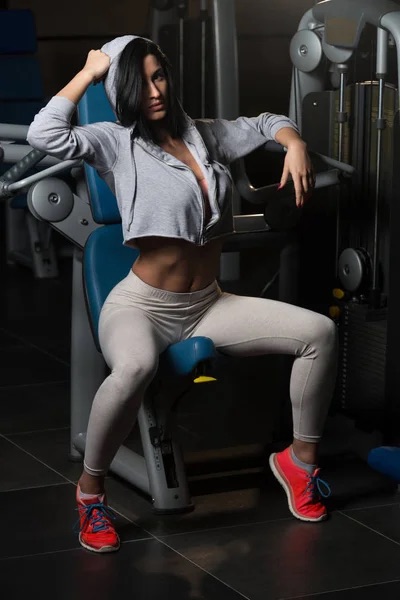
Samia grew up in a small town in southern Jordan, where life was shaped by tradition, family, and clear expectations for women.
As a child, she often dreamed of something more than the life she saw laid out for her—something beyond marriage and motherhood.
But those dreams felt distant and unachievable in a world that valued conformity.
Everything changed one evening when Samia’s younger brother, Sami, persuaded her to join him at the local gym. At first, she hesitated.
She didn’t want to become “too muscular” or attract unwanted attention.
But after a particularly tough day at work, Samia felt desperate for something different. She walked into the gym, nervous and unsure, but with Sami’s encouragement, she started lifting weights.
The first few weeks were difficult. Her muscles ached, her form was off, and she couldn’t lift as much as the others.
But each time she finished a workout, something shifted. She realized that strength training wasn’t just about building muscles—it was about breaking through mental barriers.
Every rep was a small victory, and as her body became stronger, so did her mind. Samia began to feel a newfound sense of confidence.
The physical transformation reflected something deeper—she wasn’t just getting stronger in her body; she was learning to push through her self-doubt.
At work, she spoke up more in meetings, no longer shrinking back in fear. And with her family, she found the courage to set boundaries. She wasn’t willing to sacrifice herself for their expectations anymore.
One day at the gym, Samia met Leila, a woman in her 40s who was navigating a difficult divorce and struggling with depression.
Leila shared how strength training had helped her rebuild her life. Samia realized how similar their journeys were, and the two women began lifting together, offering each other emotional support as they worked on their physical strength.
Years later, Samia became a trainer herself, teaching others the same lessons she had learned: that true strength is about more than lifting weights—it’s about building the resilience to carry your emotional burdens and embrace your true self.
Standing in front of a class of women, she smiled, knowing that the strength she had found within herself had changed her life in ways she never imagined.
Breaking Through Gender Norms:
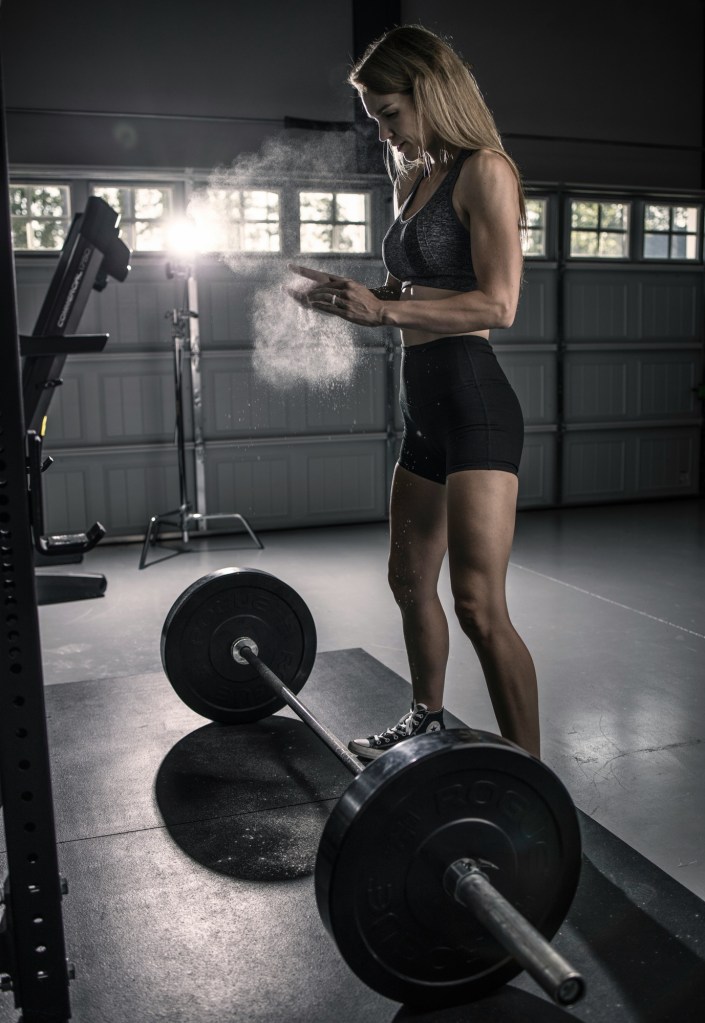
Strength training is begin to challenge traditional gender roles, the world is welcoming the shift towards physical empowerment as it coincides with social change.
Nadine Al Khatib’s story of empowerment via strength training is quite inspiring! Nadine is a fitness trainer and wellness advocate from the UAE whose career and life was shaped by her decision to go to the gym to lift weights.
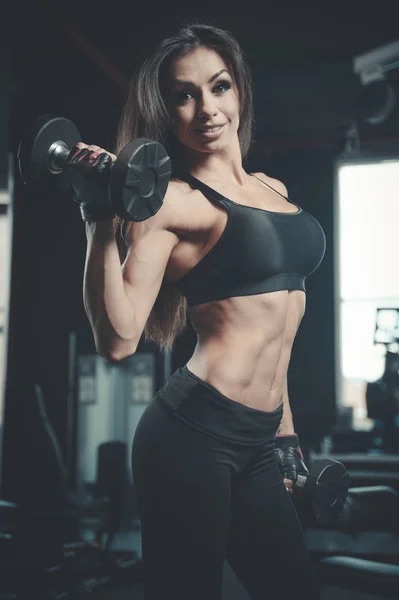
“When I first started strength training, it wasn’t about building muscles or losing weight — it was about proving to myself that I could push past my own limitations. I was working in a high-pressure corporate job, and the gym became my escape. Through strength training, I learned discipline, resilience, and the importance of mental strength, which directly translated into success in my personal and professional life. Today, I help others find that same empowerment through fitness. It’s not just about physical strength — it’s about building mental toughness that fuels everything else.”
The Role of Strength Training in Reimagining Fitness for Women in the Middle East
Strength Training as a Revolutionary Act:
Strength training is not just about fitness but also a form of resistance against old paradigms where women’s fitness was often focused on weight loss or thinness.
Check out my post on diet culture to understand exactly why it’s a harmful industry in Lebanon!
There is a growing movement of women in the Middle East engaging in strength training for their health, vitality, and empowerment rather than simply aesthetics.
The Shift in Attitudes:
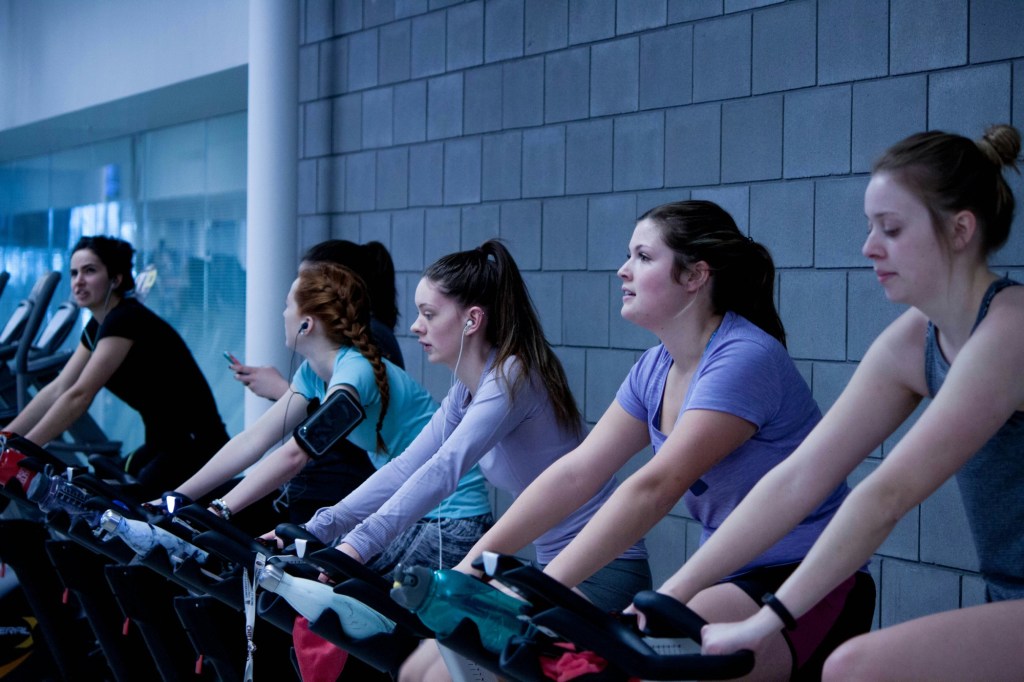
Perceptions of fitness are shifting, particularly among younger generations of women who are choosing strength over traditional beauty ideals.
How Social Media is Shaping Fitness Culture:
Platforms like Instagram and YouTube are playing an important role in educating and inspiring women in the region, showcasing female strength athletes, and promoting diversity in body types.
Overcoming Cultural Barriers and Finding Space for Strength Training
Cultural Challenges:
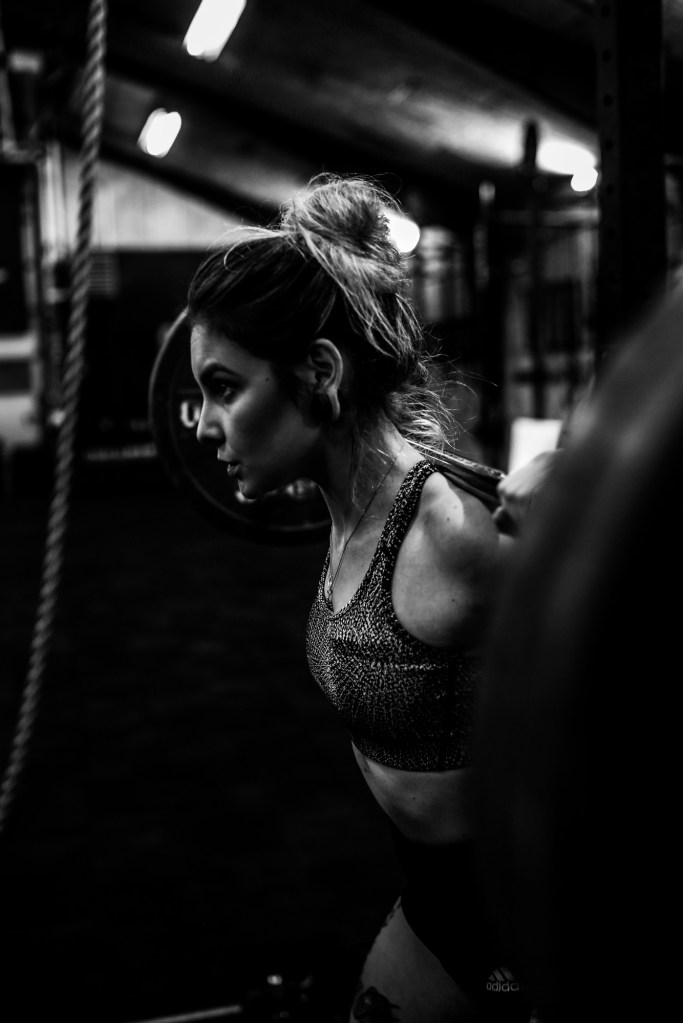
Some barriers that women in the Middle East face when it comes to accessing gyms are especially pronounced in more conservative areas.
Women in those environments are faced with restrictions such as single-gender gyms and being shamed about their dressing choices.
Women in the Middle East are not immune from dealing with sexual harassment and intimidation at the gym.
A lot of women, for that reason, prefer to workout with female trainers or train at home/smaller studios.
I find it so sad and limiting as having full gym access can give a woman the ability to become even more physically and mentally strong.
As a short and petite girl, I know I’ve been looked at it as prey or weak at the beginning of my fitness journey but having that underdog mindset helped me reach my physique and strength potential.
The Role of Female Trainers and Mentors:
Check out my post on the most inspiring fitness bloggers in the Middle East for great mentors and resources on how to get into shape.
Maya Nassar Maalouf is a Lebanese fitness entrepreneur who competed in Pure Elite and is going to compete in Miss Universe.
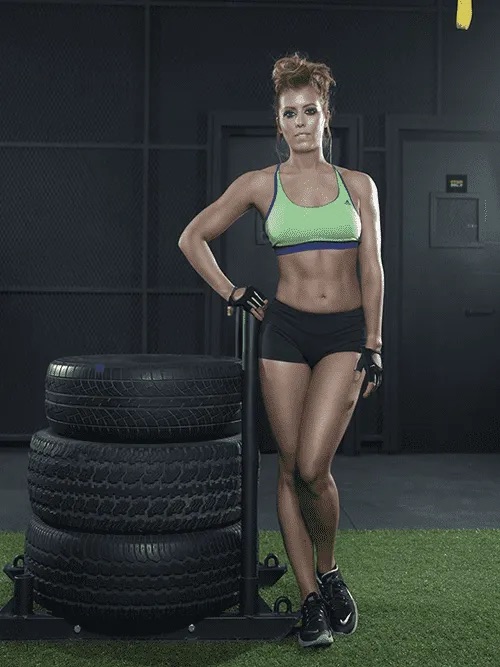
Maalouf is an exceptional athlete and has opened several gyms in Lebanon as well as hosting her own mental health talk show.
Redefining ‘Fitness Spaces’:
There has been a shift in women redefining what fitness spaces look like— from training in community centers, at home, or in new types of women-centric gyms.
Via social media content geared at empowering women, these spaces make strength training more accessible.
Nutrition and Recovery: Fueling a Stronger Future
Cultural Dietary Influences:
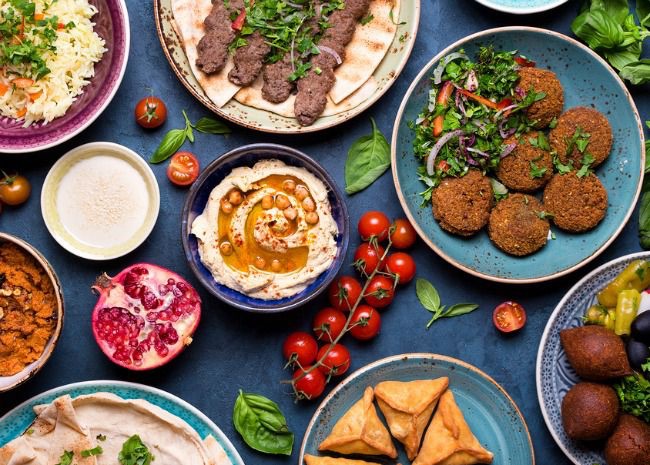
Middle Eastern diets often prioritize home-cooked meals and the use of unprocessed, whole and nutrient-rich foods.
Women can incorporate nutrition-rich foods found in the Mediterranean diet (such as legumes, grains, and lean proteins) to fuel their strength training efforts.
Middle Eastern dishes are full of protein, especially Chich Taouk, lahme, kibbeh or fish in the summer.

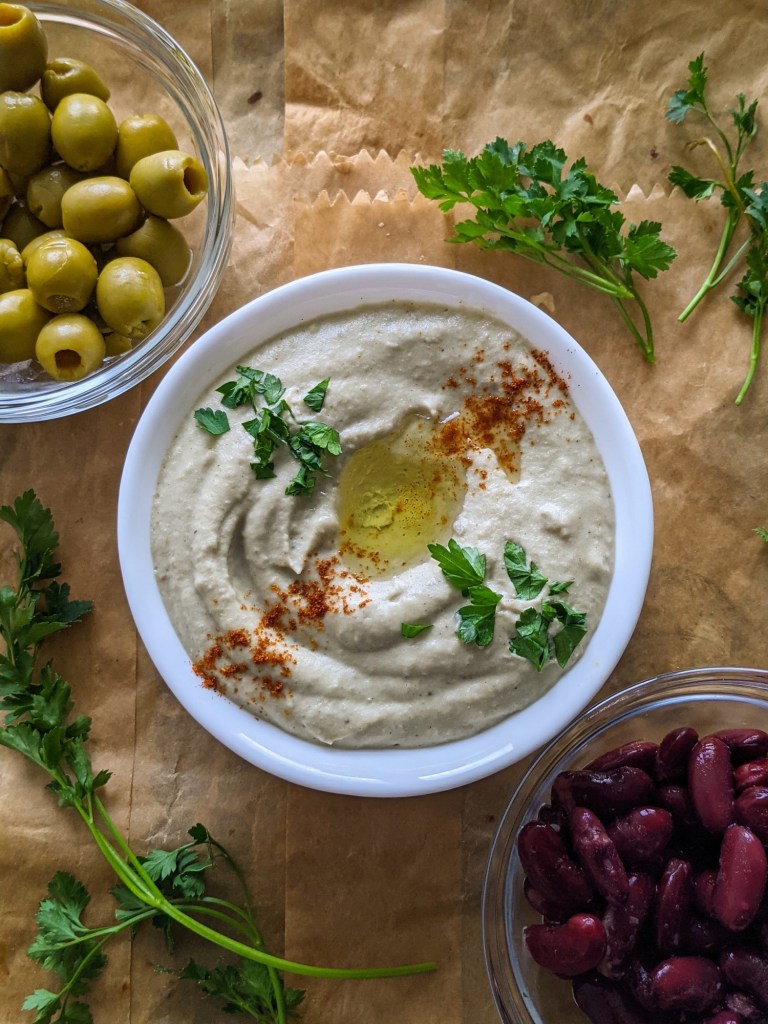
Dishes such as hummus, moutabal or tabouleh also offer benefits for recovery and muscle repair.
Practical Nutrition Tips for Strength Training:
Middle Eastern women can easily tailor their diets to incorporate more protein, vegetable dishes and fruits via Lebanese cuisine.
Eating protein is fundamental for muscle building and recovery.
Hummus before a workout with vegetables and crackers will help with having enough energy for the workout.
After a workout, nuts and fruits as well as Laban or a protein is perfect for recovery.
Check out my posts on Beirut and Dubai fitness lifestyles for the right restaurants and places to go to in the Middle East for a fit lifestyle.
The Role of Rest and Recovery:

Sleep and recovery are key to any fitness journey, especially in the Middle East, where long work hours and family commitments can make it tough to rest.
Without enough sleep, your body can’t fully recover, which means your muscles won’t repair properly and your performance will drop.
Sleep also helps balance hormones that control hunger and stress, so a lack of rest can make it harder to stay on track with your goals.
If you want to see real progress, it’s important to make time for sleep—around 7-9 hours each night—so your body has the chance to heal, recharge, and perform at its best.
Managing recovery while juggling multiple roles can be challenging, but it’s crucial for your well-being. Here are a few tips to help:
Prioritize Sleep: Sleep is non-negotiable. Try to set a bedtime routine, even if it means going to bed a little earlier. This gives your body the recovery time it needs.
Schedule Rest Days: Treat rest days like workout days. Plan them in advance and stick to them, even if you’re busy.
Listen to Your Body: If you feel tired, take a break. Pushing through exhaustion can lead to burnout or injury.
Use Short Recovery Techniques: Quick stretches, foam rolling, or even a short walk can help with muscle recovery when you don’t have much time.
Incorporate Active Rest: Light activities like yoga or walking can help keep you moving without overworking your body.
Allowing time for physical rest isn’t selfish; it’s a form of self-care. Rest helps prevent burnout, boosts energy, and keeps you healthier in the long run, so you can manage all your roles better.
Real Stories of Transformation: Women Who Changed Their Lives Through Strength Training

Personal Stories:
Here are a few powerful testimonials from women in the Middle East who have experienced life-changing transformations through strength training:
1. Sara from Dubai
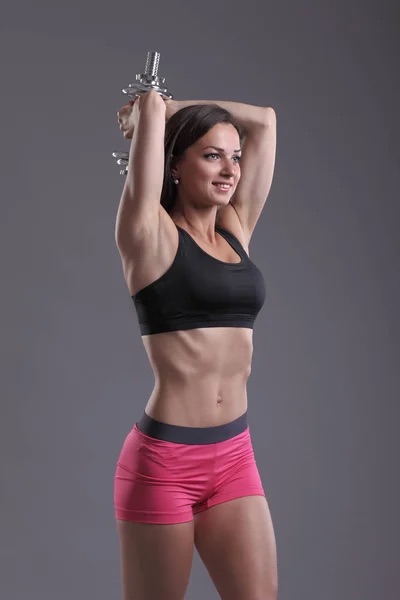
“Strength training didn’t just change my body—it changed my life. Before I started, I struggled with self-esteem and always felt drained. I was juggling work, family, and responsibilities, and didn’t feel like I had time for myself. But when I started lifting weights, I felt stronger, more confident, and capable. It was the first time I truly felt like I could handle anything life threw at me. My mental clarity improved, and I became more patient with my family and at work. I now see challenges as opportunities to grow, both mentally and emotionally.”
2. Nour from Riyadh
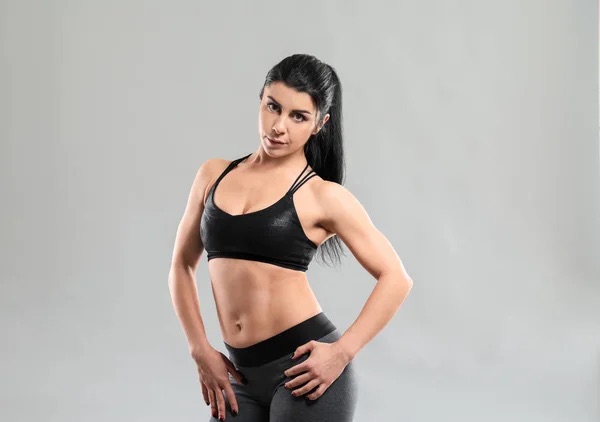
“Growing up, I never saw women lifting weights, so I never thought it was something for me. But one day, I decided to try. The physical changes came first—my muscles grew, and I felt stronger. But the emotional transformation was even more powerful. I began to feel in control of my life, less anxious, and more self-assured. Strength training taught me discipline and perseverance, and I’ve learned to set boundaries with others. It’s helped me understand that taking care of myself isn’t selfish—it’s essential.”
3. Layla from Beirut
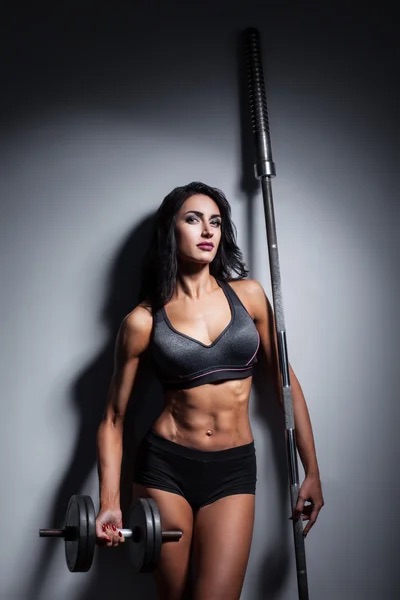
“I used to feel invisible in a world that expected women to be quiet and small. But when I started strength training, something changed within me. I became more confident in myself and my abilities, both in the gym and in everyday life. The physical strength I built translated into mental strength. I stopped doubting myself, and I started setting goals and achieving them. This journey has also connected me with a community of strong women who support and empower each other. I’ve learned to embrace my strength—inside and out—and now I’m teaching others that we are capable of anything.”
These women’s stories show how strength training can lead to growth far beyond physical changes. It empowers them to take control of their lives, fostering emotional and mental resilience, while also creating stronger connections with others.
The Impact on Family and Community:

Many women in the Middle East are not only transforming their own lives through strength training but also inspiring their families and communities to prioritize fitness and wellness.
As these women gain confidence and experience physical, emotional, and mental growth, they become role models for others.
They show that fitness is not just about looking good; it’s about feeling strong, empowered, and capable of handling life’s challenges.
By making fitness a part of their routine, these women often encourage their families to join them in healthier habits, whether it’s through cooking nutritious meals, going for walks, or even starting their own workouts at home.
In many cases, their children and spouses are motivated to be more active, and the whole family embraces a lifestyle of wellness.
These women also extend their influence to their communities, starting fitness groups, leading wellness events, or simply sharing their journey on social media.

Their commitment to strength training fosters a sense of empowerment, showing others that it’s never too late to begin a fitness journey.
As more women embrace strength training, they create a ripple effect, inspiring not only their families but also their friends and neighbors to prioritize their health, ultimately creating a broader culture of wellness.
Strength training is building a supportive community for women in the Middle East, helping them connect and encourage each other.
These spaces offer a sense of belonging, where women can share struggles, celebrate progress, and break societal barriers together.
The Future of Women’s Fitness in the Middle East
Shifting Perspectives:
The fitness landscape for women in the Middle East is changing rapidly, with more women embracing strength training and wellness. This shift is empowering women to take charge of their health and challenge traditional societal expectations.
As more fitness spaces and support networks emerge, women are gaining the autonomy to prioritize their well-being.
For future generations, this means greater freedom to pursue their fitness goals and redefine what it means to be healthy, confident, and strong.

It’s time for women in the Middle East to break free from limitations and embrace the power of strength training.
By taking control of your fitness journey, you’re not only transforming your body but also challenging old expectations and redefining what’s possible.
Join the fitness revolution that’s reshaping how women in this region see themselves—strong, confident, and capable. Step into your power, take charge of your health, and become part of a movement that’s changing lives, one rep at a time.
Conclusion
Strength training is about empowering women to take control of their health and well-being. It helps break cultural barriers, allowing women to challenge traditional expectations and redefine their roles.
The benefits extend beyond physical strength, improving mental health by boosting confidence and reducing stress.
By embracing strength training, women are creating lasting change for themselves and future generations.
I hope that you enjoyed this blog post on Empowering Women in the Middle East Through Strength Training: Breaking Barriers and Transforming Lives, please let me know what you thought about it in the comments section below!

 Taras Fit World