Table of Contents
- Top Questions & Pain Points
- Introduction
- Step-by-Step Recovery Guide
- Common Mistakes & Troubleshooting
- FAQs
- Next Steps: Advanced Recovery Techniques
- Glossary
- Recommended Visual Aids
- Conclusion
Top Questions & Pain Points
Here are the top concerns people have around recovering from leg day:
- Why am I so sore after leg day?
- How long should recovery take?
- What helps sore legs feel better faster?
- Should I rest completely or stay active?
- What foods or supplements help with recovery?
- Is it okay to train legs while still sore?
- How do I reduce DOMS (Delayed Onset Muscle Soreness)?
- Are foam rollers and massage guns actually helpful?
- Can stretching help or does it make it worse?
- What recovery routines are realistic for busy people?
Introduction

If leg day leaves you waddling like a penguin for three days, you’re not alone. While the soreness can feel like a badge of honor, poor recovery slows progress, increases injury risk, and makes consistency harder.
This guide will walk you through simple, science-backed steps to recover faster after leg day. By the end, you’ll know how to reduce soreness, speed up healing, and bounce back stronger-whether you’re new to training or a seasoned lifter.
Step-by-Step Recovery Guide
1. Stay Moving (Active Recovery)
Why: Movement increases blood flow, helping nutrients reach your muscles faster and flushing out waste like lactic acid.
What to do:
- Go for a light walk, swim, or cycle for 15–30 minutes the day after leg day.
Tips:
- Keep intensity low—you should feel better after, not worse.
- Even 10 minutes of stretching or yoga counts.
- Try contrast showers (alternating hot/cold) to boost circulation.
Tools:
- Stationary bike, yoga app, or walking shoes.
2. Refuel Your Body
Why: Muscles need protein to rebuild and carbs to replenish energy.
What to do:
- Within 60 minutes post-workout, eat a meal with protein + complex carbs.
- Hydrate well—muscle recovery is slower when dehydrated.
Tips:
- Aim for 20–30g of protein post-leg day.
- Include anti-inflammatory foods like berries, spinach, and salmon.
- Add magnesium-rich foods like bananas or dark chocolate.
Tools:
- Protein shake, water bottle, or a meal prep app.
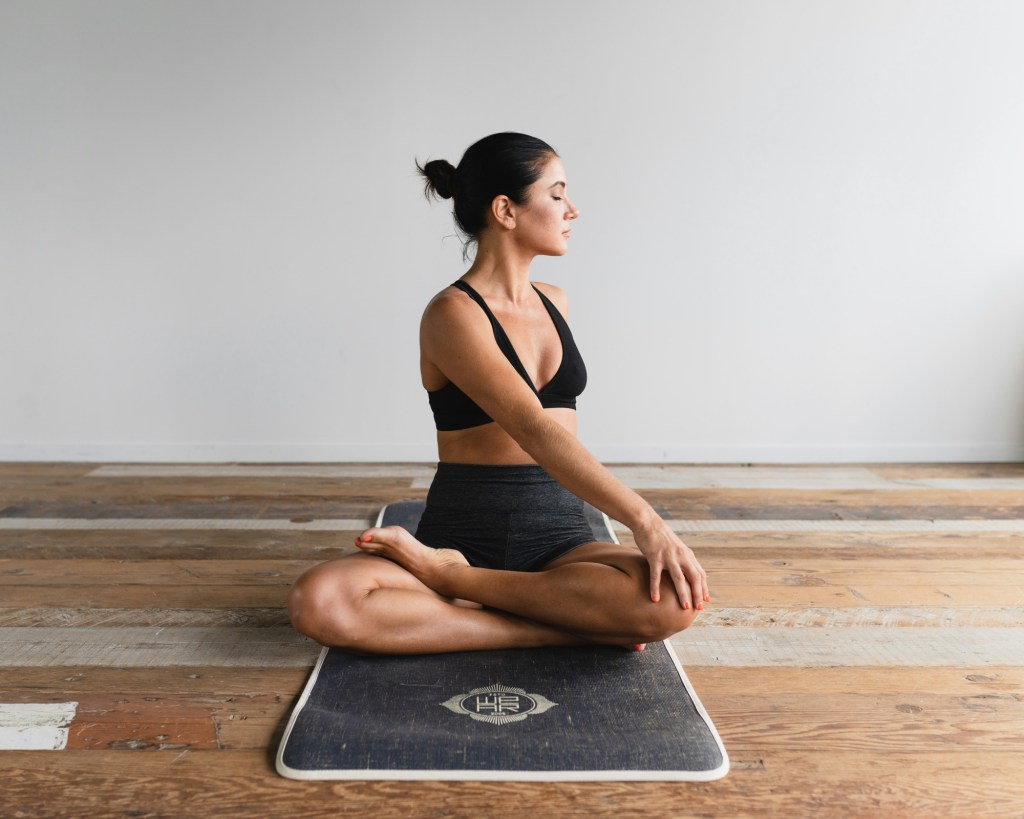
3. Stretch It Out
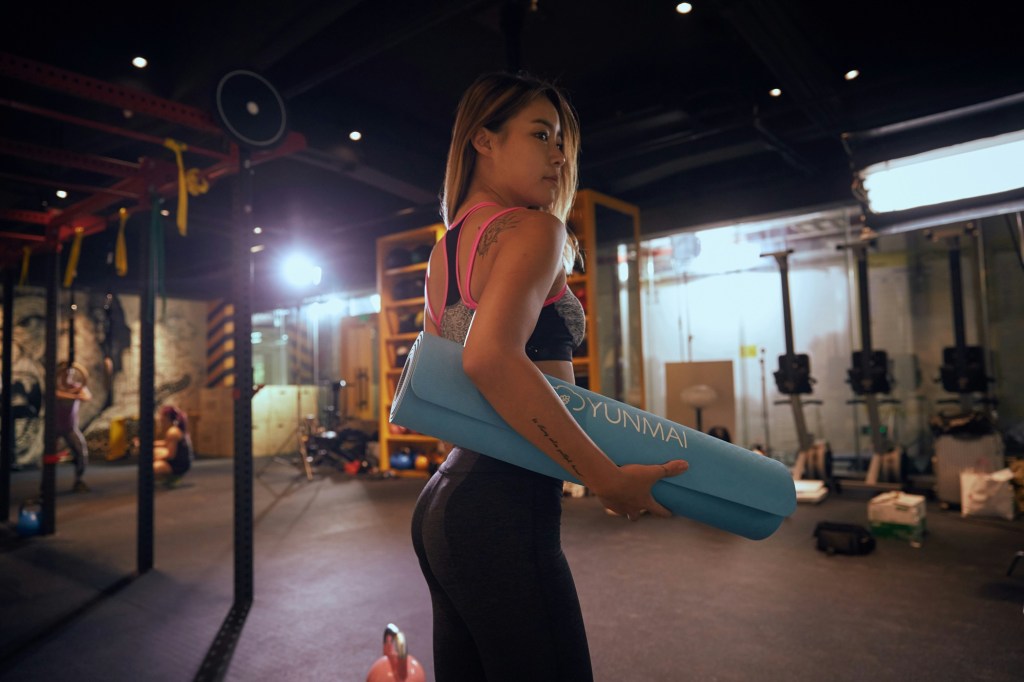
Why: Stretching helps relieve tightness and restore range of motion.
What to do:
- Focus on hamstrings, quads, calves, and glutes.
- Hold each stretch for 30–60 seconds, no bouncing.
Tips:
- Don’t stretch cold—do this after a warm shower or light movement.
- Use a yoga strap or towel for deeper stretches.
- Avoid overstretching sore muscles—it should feel good, not painful.
Tools:
- Yoga mat, stretch strap, or guided stretching video.
4. Use Recovery Tools (Foam Roller, Massage Gun, etc.)
Why: These tools can release tension, reduce tightness, and improve circulation.
What to do:
- Foam roll sore muscles for 30–60 seconds each area.
- Use a massage gun on low to medium setting for 1–2 minutes.
Tips:
- Start light—too much pressure can cause bruising.
- Focus on your quads, glutes, and calves.
- Avoid bones or joints.
Tools:
- Foam roller, massage gun, lacrosse ball.
5. Get Quality Sleep
Why: Most muscle repair happens while you sleep.
What to do:
- Aim for 7–9 hours of uninterrupted sleep.
Tips:
- Sleep in a cool, dark room.
- Avoid caffeine or screens an hour before bed.
- Try magnesium or chamomile tea if you struggle to wind down.
Tools:
- White noise app, sleep mask, or sleep tracker.
6. Consider Supplement Support
Why: Supplements can support recovery if your diet needs a boost.
What to do:
- Consider magnesium, omega-3s, and a quality protein powder.
Tips:
- Always check with a healthcare provider.
- Look for clean, third-party tested brands.
- Supplements support recovery, but can’t replace sleep or food.
Tools:
- Supplement organizer, nutrition tracker.
Troubleshooting
Problem: Still sore 4–5 days later?
Solution: You may have overtrained. Take a full rest day and focus on gentle movement and hydration.
Problem: Foam rolling feels worse.
Solution: Use less pressure or switch to light massage and stretching.
Problem: No time for recovery routines.
Solution: Do short versions—5-minute stretches, a 10-minute walk, or sleep earlier for one night. Small wins count.
FAQs
Q: Is soreness a sign of a good workout?
A: Not always. It means your muscles are adapting, but more soreness doesn’t equal more gains.
Q: Can I train while sore?
A: Light movement is fine, but avoid intense leg sessions until soreness fades.
Q: What helps fastest with sore legs?
A: Active recovery + hydration + protein + sleep = best combo.
Q: Should I take painkillers?
A: Use sparingly. Overuse may interfere with muscle healing.
Next Steps: Advanced Techniques
Want to take it further? Try:
- Infrared saunas for deeper muscle relaxation.
- Compression therapy (like Normatec boots) for circulation.
- Periodized training to reduce overload and optimize recovery.
Glossary
- DOMS: Delayed Onset Muscle Soreness—muscle pain that starts 24–72 hours after a workout.
- Active Recovery: Light movement that aids recovery without stressing the body.
- Foam Rolling: A form of self-massage to release muscle tightness.
- Periodization: Strategic workout planning to balance intensity and recovery.
Conclusion
Recovery isn’t just a break-it’s part of the workout. By staying active, eating right, sleeping well, and caring for your muscles, you’ll come back stronger after every leg day.
Keep experimenting, listen to your body, and remember: recovery is where the gains actually happen.
I hope that you enjoyed this blog post on How to Recover Faster After Leg Day, please let me know what you thought about it in the comments section below!

 Taras Fit World