Hey loves,
Fat loss doesn’t have to be this jarring experience full of expectations and disappointments. It doesn’t have to follow along the same trajectory of false promises, excitement, quick results, plateaus, frustration and regaining of weight.
Most diets don’t work long term because they miss out on the bigger picture. They miss out on the variables responsible for weight loss and often are methods for industries to profit off the common problem to be solved: fat loss.
Fat loss essentially comes down to science and understanding that this modality results in success in fat loss without sacrificing muscle, metabolism and ultimately our sense of sanity.
Section 1: Why Most Diets Fail: The Science Behind It

Common dieting mistakes include:
- Severe calorie restriction and metabolic adaptation (this leads to adaptive thermogenesis: a process where
your body slows down your metabolism to conserve energy because it thinks you’re starving). - Inadequate protein or resistance training leading to loss of muscle mass.
- Hormonal changes (leptin, ghrelin, cortisol) resulting from dietary changes, this, in turn, increases hunger and fat storage.
- Too much deprivation resulting in psychological burnout and binge/rebound eating.
Energy balance is ultimately responsible for weight loss or weight gain. The body having less total energy (who’s unit of measurement is calories) vs the body having more energy (via food consumption) ultimately results in the physique that we are given.
Energy coming into the body can only come from food or beverage whereas energy leaving the body can take form in many processes inclusive of cardiovascular exercise, movement in general, basal metabolic rate, the thermic effect of food and your general baseline activity level.
Metabolic health plays a fundamental role in our body’s ability to lose fat. Being metabolically healthy essentially means having stable blood sugar and insulin levels, it also means having normal blood lipids and blood pressure.
Essentially, having proper metabolic health can allow you to get away with certain things that an otherwise unhealthy metabolism could potentially disrupt.
Things like excess calories or not exercising enough can be made up for with a healthy metabolism. Thankfully, strength training can improve our metabolisms and increase our body’s ability to regulate hormones and manage our weight.
Section 2: The Pillars of Sustainable Fat Loss

Sustainable fat loss essentially comes down to having a long-term mindset with a set of strategies in the nutrition, exercise, cardio, recovery and sleep departments.
Nutrition Strategy:
Aim to be at a moderate calorie deficit where you are essentially prioritizing protein for muscle preservation.
Whole foods are also important to consume if you want to lose fat, you want to focus on consuming nutrient dense foods. Make sure to always focus on quality of foods over quantity.
You also want to remain flexible in dieting in order to improve adherence and quality of life. Being too rigid with your food consumption will lead to burn out, yo yo dieting and developing a potential eating disorder.
I also do not suggest going to a diet center because they are not sustainable methods of losing fat. Diet centers often rely on models of only 1,200-1,400 calories a day for fat loss.
Of course you’re going to lose weight eating that little calories but what happens when you go back to normal life? How is your body going to adapt? It will most likely hold on to food and fat thinking it’s survival.
Strength Training:
Lifting heavy is essential to preserve muscle and boost metabolism. One cannot underestimate how many calories one burns at rest when they have a muscular body to feed.
The body starts needing more energy in order to survive and maintain its new organ structure (aka: its muscles).
This paired with the calorie reduction resulting from vigorous and intense training is why athletes are notorious for consuming large portions of food
Here is a sample weekly structure for fat loss phases.

- Cardiovascular Training: Aim for 2-4 cardio sessions that last 30 to 60 minute sessions per week. You can break them down into 3 10 minute sessions daily if you do not have access to equipment or have a full-time job.
- Recovery and Sleep: Stress and poor sleep sabotage fat loss by impacting hormones and recovery. They literally impede your body’s ability to build muscle and can even lead to the body catabolizing its efforts (if its survival warrants it).
- Mindset and Consistency: We should focus on long-term habits over short-term fixes. Building a positive relationship with food and our own bodies is crucial. Success in fat loss essentially comes down to our mindset and ability to stay consistent with our diet and training.

Section 3: Advanced Tools and Tactics
Keeping consistent and being successful in fitness also comes down to using tools and holding ourselves accountable every step of the way.
Before diving any further into our blog post, here are a few posts that you must check out to be the most well-equipped and armed fitness consumer: this blog post, this one, this one, also this one and finally this one on goal-setting.
Using body composition tracking (DEXA, skinfolds, progress photos) can significant help you track your progress.
These tools are much more effective than using a scale that is often variable dependent, meaning water, stress or even food intake/training can alter your weight (and therefore mindset and self perception).
You want to strategically periodize your calories and training in order to prevent plateaus. A plateau essentially means your body adapted to the changes that you enforced on it, breaking out of it requires some type of shock or disrupter.
A simple example is staying consistent to a calorie deficit plan for 8 weeks and increasing the calories for a few days after week 4.
Protein distribution is important and in diet-friendly cultures like Lebanon, for instance, rarely highlighted as a macronutrient for fat loss.
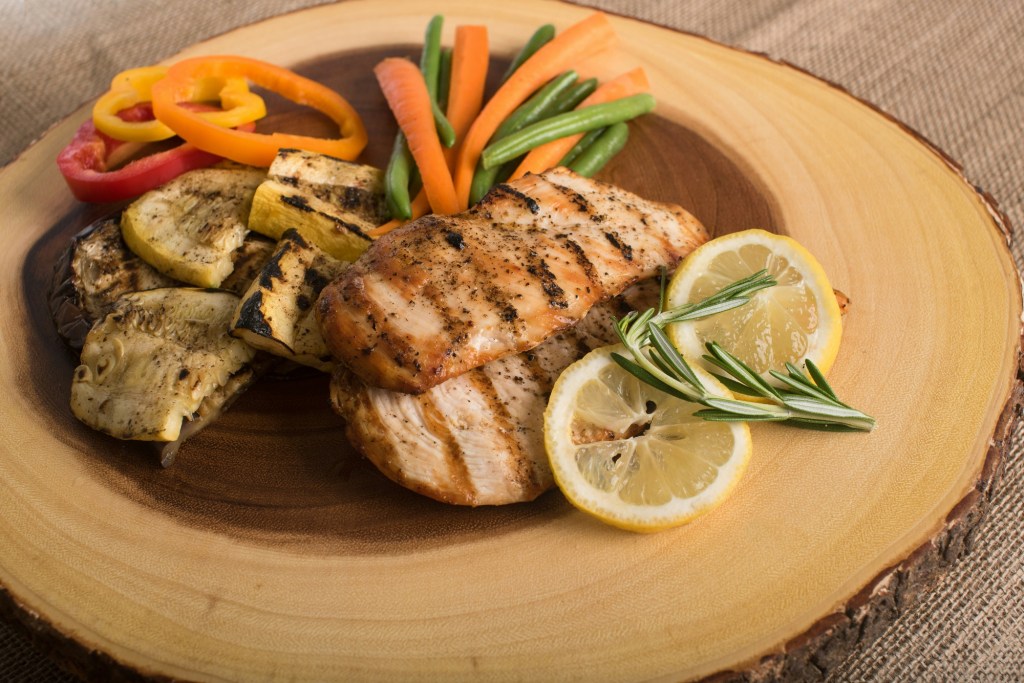
Consuming protein is a great way for the body to lose fat while reducing body fat and preserving muscle mass.
Supplements like protein and creatine are great for support but will not eliminate calories. Diet pills and fat loss supplements are mostly gimmicks and marketing.
If you must use a diet supplement, look for these ingredients and make sure that the source is reputable:
1) Caffeine

What it does:
Caffeine is the most widely consumed psychoactive substance globally. It is found in coffee, tea, and many supplements. It boosts energy expenditure, increases fat oxidation, and temporarily suppresses appetite.
The science:
- A meta-analysis in the American Journal of Clinical Nutrition (2011) found caffeine intake increases metabolic rate by 3–11%, with higher doses having greater effects.
- Studies show caffeine improves exercise performance, allowing longer, more intense workouts that indirectly support fat loss.
Practical notes:
- Typical effective doses range from 100 to 400 mg per day.
- Beware of tolerance buildup; cycling caffeine or consuming it only before workouts can maintain effectiveness.
2) Green Tea Extract (EGCG)

What it does:
Green tea extract is rich in catechins, especially Epigallocatechin Gallate (EGCG), which can enhance fat oxidation and thermogenesis.
The science:
- Research published in the Journal of the International Society of Sports Nutrition (2010) confirms green tea catechins increase 24-hour energy expenditure.
- A 2012 meta-analysis found green tea catechins led to a modest but statistically significant reduction in body weight and fat mass in overweight and obese adults.
Practical notes:
- Effective doses often contain 300–500 mg of EGCG daily.
- Combining green tea extract with caffeine may have synergistic effects on metabolism.
3) Protein Supplements
What it does:
While not a typical “fat burning supplement,” increased protein intake supports fat loss by preserving lean muscle mass, boosting satiety, and increasing thermic effect of food (calories burned digesting food).
The science:
- Multiple randomized controlled trials show higher protein diets improve body composition by reducing fat mass while maintaining or increasing muscle.
- The thermic effect of protein is 20–30% of its calories, higher than carbs or fats.
Practical notes:
- Aim for 1.6–2.2 grams of protein per kilogram of body weight daily during fat loss.
- Whey protein is fast-digesting and effective post-workout whereas casein supports overnight muscle preservation.
4) Soluble Fiber (Glucomannan)
What it does:
Soluble fiber like Glucomannan absorbs water in the gut, expanding to create a feeling of fullness, reducing appetite, and slowing carbohydrate absorption.
The science:
- Glucomannan, which is derived from konjac root, has been studied for weight loss. A systematic review in Nutrition Journal(2014) reported that glucomannan supplementation significantly reduced body weight in overweight individuals.
- Fiber also supports gut health, which emerging evidence links to better metabolic outcomes.
Practical notes:
- Effective glucomannan dose is about 3 grams per day, taken with plenty of water.
- Start with a low dose to avoid digestive discomfort.
5) Capsaicin (from Chili Peppers)

What it does:
Capsaicin increases thermogenesis which essentially describes heat production. It also promotes fat oxidation by activating the sympathetic nervous system.
The science:
- A study in the American Journal of Clinical Nutrition (2012) demonstrated that capsaicin increased energy expenditure and fat oxidation in overweight individuals.
- Meta-analyses report modest weight loss benefits when capsaicin is consumed regularly.
Practical notes:
- Typical effective doses vary but often are around 2–10 mg of capsaicin daily.
- Some people experience gastrointestinal discomfort.
6) Conjugated Linoleic Acid (CLA)
What it does:
CLA is a fatty acid found in meat and dairy, marketed as a fat burner for its purported ability to reduce fat storage and increase fat breakdown.
The science:
- Evidence is mixed: some small studies show modest fat loss, but larger, high-quality trials often find minimal or no effect.
- A 2007 review in the Journal of the International Society of Sports Nutrition concluded that CLA’s fat loss effects are minor and inconsistent.
Practical notes:
- CLA supplementation is generally safe but should not be relied upon solely.
- Typical doses are 3–6 grams daily.
The following ingredients are also effective as supplementation for fat loss:
- L-Carnitine: May improve fat metabolism at the cellular level however supplementation does not consistently show fat loss benefits in healthy adults.
- Yohimbine: Can increase fat mobilization but may cause significant side effects like anxiety and increased heart rate.
- Hydroxycut and other proprietary blends: Often contain stimulants like caffeine however lack solid independent research.
Section 4: How to Personalize Your Fat Loss Journey

An important way of personalizing your fat loss journey is by listening to your body’s feedback and adjusting.
It is imperative that during your fitness journey, you are patient and have realistic expectations and timelines.
You can do this process alone however you may benefit from professional help such as having a coach or dietitian if you are overwhelmed with information and advice.
Please check out my blog post on gymtimidation to break up with the fear of gyms once and for all. Check out this nutrition post (does not substitute a dietician) and this post on strength training.
Fad diets and quick fixes will never lead to sustainable results, you will wreck havoc on your mind, body and soul trying to hold on to fast results and will always be disappointed if you buy into false promises.
Body positivity is not a feel good movement, you need to love yourself, own your frame and develop massive amounts of self love and confidence to truly live your best life.
Conclusion
Essentially, fat loss is a journey that requires science, strategy, and self-compassion. I encourage you, my readers, to commit to sustainable changes for lifelong results.
I hope that you enjoyed this blog post on The Science and Strategy of Sustainable Fat Loss, please let me know what you thought about it in the comments section below!

 Taras Fit World
So true! When I was a teenage girl, all I wanted was to be smaller and I tried…things. But it was the science of weight loss, like knowing about protein, calories in a pound, what calories actually are, that finally helped me achieve the thing teenage me would’ve been squealing about. Excellent info, thanks!
LikeLiked by 1 person
Anytime, I’m glad you found it useful! Well said and thanks for sharing your experience 👏❤️
LikeLiked by 1 person