
Hey loves,
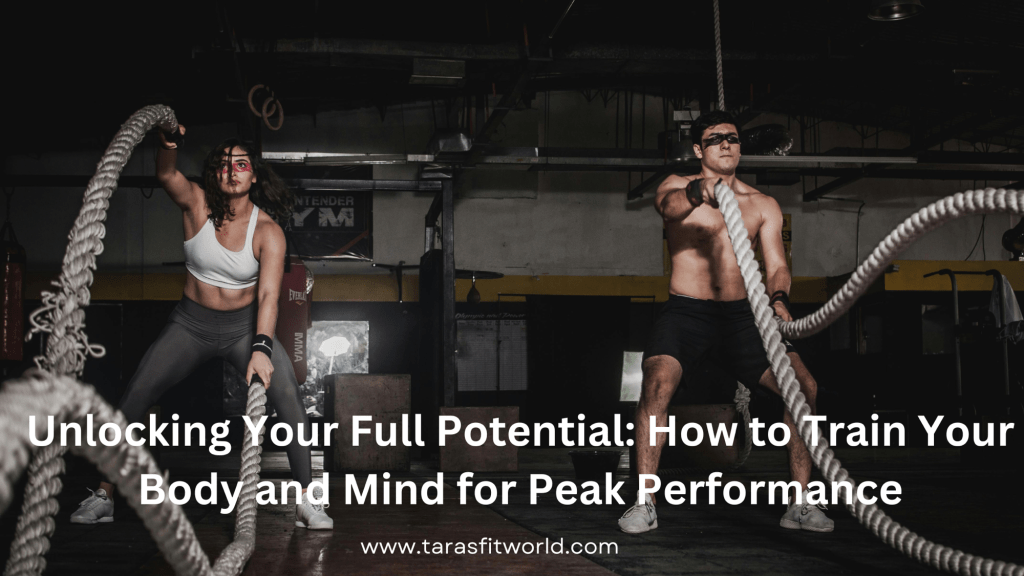
Today’s blog post is about unlocking your full potential: how to train your body and mind for peak performance.
What is peak performance? Peak performance is a term used to describe the highest level of functioning or achievement that an individual, team, or system can attain in a particular area or activity.
It involves optimizing our mental, physical, and emotional capabilities to produce the best possible results.
Peak performance involves both the mind and body work harmoniously together.
Most people focus solely on physical workouts without necessarily considering the mental aspect including preparation and mindset that peak performance truly calls for.
The next few sections will cover physical fitness, mental training, nutrition, recovery and motivation.
The Mind-Body Connection: The Foundation of Peak Performance

What is the mind-body connection?
Essentially, the mind-body connection refers to the relationship that our minds and bodies have.
Our brain and its cognitive epicenter the mind essentially influence all of our physical behaviors including our athletic performance.
Scientific insight:
Our mental focus, stress management, and emotional state can truly impact physical outcomes. This is very evident when, for instance, we see an athlete’s performance diminished by lack of sleep or stress from their personal lives.
It is hard to separate the two equally powerful realities, the mental and the physical.
Real-life examples:
Here are a few athletes and high achievers who demonstrate how mental clarity and focus contribute to success in their physical activities.
Serena Williams (Tennis):

Serena has consistently demonstrated how mental focus contributes to her success. Her ability to stay mentally sharp, even in high-pressure situations, has helped her win multiple Grand Slam titles. Williams often emphasizes the importance of self-belief and mental resilience.
Simone Biles (Gymnastics):
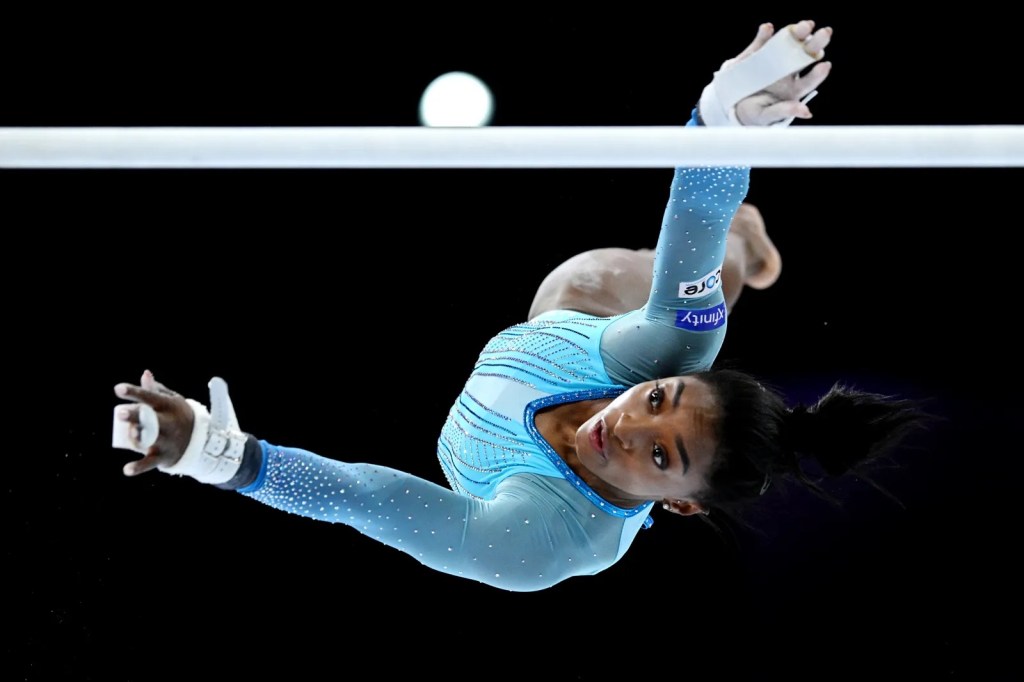
Biles is widely regarded for her mental focus and clarity, which has helped her achieve extraordinary feats in gymnastics. Her ability to block out distractions and stay mentally present during her routines has led to multiple Olympic gold medals.
Usain Bolt (Track and Field):

Bolt’s mental discipline and ability to stay calm and focused during races helped him set world records in the 100m and 200m. He attributes his success to maintaining a relaxed yet focused mindset before and during his events.
Power move:

Your power move to optimize your mind-body connection is to adopt mindfulness techniques such as deep breathing or visualization. These help to start integrating mental preparation into training.
Another great technique is to start lifting weights! While there are numerous health benefits of strength training ranging from anti-aging to stronger bones/muscles and brain, the body and mind are connected throughout the entirety of your workout.
You can start thinking of the muscle as you train it, visualizing it growing bigger. You will find that this connection will inevitably grow your muscles bigger, indicating the strength of the mind-muscle connection.
Physical Training for Peak Performance: Building a Strong Foundation

Tailored fitness for peak performance:
Peak performance doesn’t just refer to intense workouts, it also refers to balanced training.
Strength training:
We should never underestimate the importance of building muscle and strength for functional movement and endurance.
Cardio and endurance training:
Cardiovascular fitness contributes to sustained energy and overall performance.
Mobility and flexibility:
It is important to stretch and maintain flexibility training to prevent injuries and to improve our range of motion.
Power move:
Here is a weekly schedule where you can balance strength, cardio and flexibility:
Monday: Full body strength training
Tuesday: Cardio
Wednesday: Full body strength training
Thursday: Cardio and stretching/mobility
Friday: Full body strength training
Saturday: Cardio
Sunday: Stretching/mobility
Fueling Your Body: Nutrition for Peak Performance

The role of nutrition:
What you eat can either fuel or hinder your performance.
Macronutrients breakdown:
Carbs are important for energy, protein for muscle repair, and healthy fats for sustained energy.
Micronutrients and hydration:
Vitamins, minerals, and proper hydration are crucial for recovery and avoiding fatigue.
Supplements:
Check out this post on the benefits and limitations of supplements such as protein powders, creatine and BCAAs.
Meal timing:
Pre- and post-workout nutrition has a huge impact on recovery and muscle growth.
Power move:
Check out these easy, nutrient-packed meal ideas:
Mental Toughness and Focus: Training Your Mind for Success

What is mental toughness?
Check out my previous blog post on mental toughness.
Mental toughness is the ability to push through challenges, stay disciplined, and maintain focus.
Mindset shifts for peak performance:
A growth mindset involves focusing on improvement and process instead of outcome. The growth mindset was a term coined by psychologist Carole Dweck, check out this post on how to incorporate this type of mindset.
Essentially, it is crucial to embrace challenges as opportunities for growth instead of viewing them as obstacles.
Visualization and goal-setting:
Visualization is crucial towards optimizing performance (ie: Olympic athletes). It is also important to set SMART goals as they enhance motivation and success.

Positive self-talk and affirmations:
Overcoming negative self-talk can improve confidence and performance.
Power move:
Write out 5-10 things that you’re grateful for in a journal, do it in a reflective sense where you can appreciate all that you have and let your journal entry grow.
Do this for 5 minutes and you’ll notice that you’ve trained your mind to see the best in every situation.
Another excellent exercise is to do a five-minute visualization practice. Imagine yourself succeeding and reaching your goals.
Check out my post where I go over the importance of visualization in athletic performance.
Recovery: The Unsung Hero of Peak Performance
Why recovery is key:
Recovery is just as important as training to avoid burnout, injuries, and mental fatigue.
Sleep:

Sleep is fundamental for muscle recovery, brain function, and overall performance. Check out my post on the relationship between sleep and recovery.
Active recovery:
Yoga, Pilates and walking are great light activities that promote recovery without stressing the body. Check out my post on active recovery for more activities that you can do to promote rest.
Stretching and mobility:
Daily stretching and foam rolling can be extremely general to reduce muscle tightness and prevent injuries.
Mental recovery:
Mental recovery including rest from stress and practicing mindfulness, is necessary for high-level performance.
Sometimes just not thinking of training or worrying about nutrition and performance can be extremely beneficial for our recovery.
Take 5-10 minutes to truly connect to your breath and loosen your mind from any deep associations and thought patterns relating to training by simply observing your thoughts pass by like waves in an ocean.
Power move:
Up your recovery game by including sleep hygiene, hydration, and gentle movement into your daily routine.
Staying Motivated: Overcoming Plateaus and Staying Consistent
Common obstacles:
Here are the mental and physical plateaus that people face when pursuing peak performance and how to overcome them.
Building a sustainable routine:
You have to stay consistent even when motivation wanes by creating habits and setting realistic goals.
Accountability and community:

We can never underestimate the power of having a workout buddy, joining a fitness groups, or having a coach to keep us on track.
Accountability is crucial and is the path towards maintaining our fitness success.
Rewarding progress:
Celebrating small wins is just one important way of staying motivated.
Power Move:
Dealing with setbacks is a power move itself and it is linked to resilience. Creating a Plan B workout or focusing on non-scale victories such as mental clarity or increased energy are great ways stay motivated!
Integrating Peak Performance into Daily Life: Balancing Fitness, Work, and Personal Life
Making fitness a lifestyle:

Peak performance isn’t just about gym hours but integrating healthy habits into everyday life.
Time management:
Check out my post on how to train and eat healthy with a busy lifestyle. It will help you find ways to balance work, family, and fitness without feeling overwhelmed.
Mental clarity and focus:
Fitness can improve work performance and productivity through mental clarity and reduced stress.
Building resilience:
Physical and mental training builds resilience, helping to handle challenges in all areas of life.
Power Move:
Force yourself to wake up earlier in the morning or find a few 10 minute windows throughout your day to squeeze in a YouTube workout or one from my guide.
You can also make small fitness-related adjustments during daily tasks such as taking the stairs instead of the elevator.
Conclusion
True peak performance comes from a holistic approach that combines mental and physical training, proper nutrition, recovery, and motivation.
Start small, be consistent, and gradually build your way to peak performance in both body and mind.
Remember that unlocking your full potential isn’t an overnight process, but it’s a journey worth taking for lifelong health and success.
Download my free beginner strength training guide and subscribe to my blog for more posts like these!
I hope that you enjoyed this blog post on Unlocking Your Full Potential: How to Train Your Body and Mind for Peak Performance, please let me know what you thought about it in the comments section below!

 Taras Fit World
One Comment Add yours